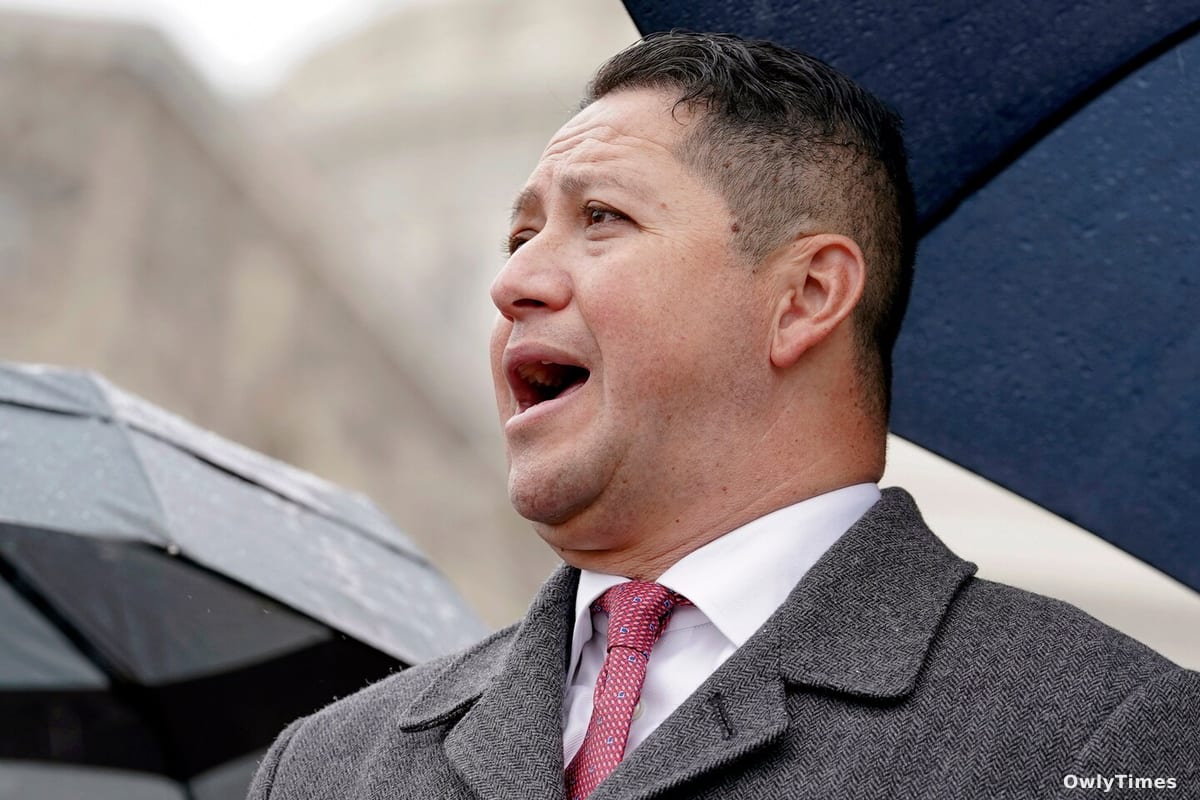

The timing of the primary challenge to Tony Gonzales isn’t about policy disagreements or ideological drift – it’s a calculated power play leveraging a deeply personal tragedy to exploit vulnerabilities within the Texas Republican landscape. The allegations surrounding his relationship with an aide, and her subsequent death, have created a crisis of character that his opponents are ruthlessly weaponizing, understanding that in the current political climate, perceived moral failings can be more damaging than any legislative vote. This isn’t simply a local contest; it’s a microcosm of the broader struggle for control within the GOP, where the lines between personal conduct and political expediency are increasingly blurred.
A Primary Built on Crisis
The challenge to Gonzales, unfolding on March 3, 2026, isn’t occurring in a vacuum. It’s happening against the backdrop of a Republican party grappling with internal fractures and a heightened sensitivity to scandal. The details are stark: allegations of an affair with an aide, followed by the aide’s tragic death by self-immolation. While details remain limited, the narrative has taken hold, fueled by conservative media and amplified by his primary opponent’s campaign. This echoes historical instances where personal scandals – think of the accusations against Gary Hart in 1988 or the more recent controversies surrounding figures like Newt Gingrich – have derailed promising political careers. The speed with which opponents moved to capitalize on the situation demonstrates a pre-existing readiness to challenge Gonzales, suggesting the affair allegations simply provided the opening.
Reporting from The Washington Post informs this analysis.
Who Stands to Gain and Lose in Texas
The immediate loser, obviously, is Tony Gonzales himself. His political future hangs in the balance, dependent on his ability to navigate this crisis and convince voters he can still represent their interests. However, the stakes extend far beyond his individual fate. A successful primary challenge would embolden the more conservative wing of the Texas Republican party, signaling that even moderate Republicans are vulnerable to attacks based on personal morality. This benefits his primary challenger, whose campaign is explicitly framing the race as a battle for the soul of the district. More broadly, a win for the challenger would send a message to other Republicans in swing districts: toe the line on cultural issues, or face the consequences. Conversely, if Gonzales manages to survive, it would demonstrate the limits of this tactic, potentially offering a degree of protection to other Republicans facing similar pressures. The financial implications are also significant; early reports indicate a surge in donations to both campaigns, with outside groups likely to inject substantial funds into the race.
The Fragility of Moderate Republican Space
Gonzales’s position as a relatively moderate Republican in a deeply conservative state already made him a target. His willingness to occasionally buck party orthodoxy – a pattern common among representatives from competitive districts – had drawn criticism from the right. The allegations, therefore, landed on fertile ground. This dynamic reflects a broader trend within the Republican party: the shrinking space for moderate voices and the increasing dominance of the conservative base. The rise of figures like Marjorie Taylor Greene and the influence of media outlets like Newsmax demonstrate the power of the far-right to shape the party’s agenda and punish perceived deviations. The situation in Texas isn’t unique; similar dynamics are playing out in other states, as the party attempts to reconcile its traditional base with the demands of a more populist electorate. The $2.1 million raised by Gonzales as of February 2026, while substantial, is dwarfed by the fundraising potential of a challenger backed by national conservative groups.
Beyond Texas: A Warning for the GOP
The case of Tony Gonzales serves as a cautionary tale for the Republican party as a whole. The willingness to exploit a personal tragedy for political gain raises serious questions about the party’s values and its commitment to basic decency. While scandals have always been a part of politics, the current climate – characterized by hyper-partisanship and a relentless focus on cultural warfare – seems to encourage a particularly ruthless approach. The echoes of past scandals are undeniable, but the speed and intensity of the attacks in the Gonzales case are amplified by the power of social media and the 24/7 news cycle. The question now is whether this tactic will become the new normal, or whether a backlash will emerge from within the party.
The political chess move to watch next isn’t simply the outcome of the primary. It’s what happens after – regardless of who wins. Will the winning campaign double down on the tactics used to defeat Gonzales, signaling a new era of scorched-earth politics within the GOP? Or will there be an attempt to bridge the divide and appeal to a broader electorate? The answer to that question will reveal a great deal about the future direction of the Republican party.