
The Calculus of Character Attacks in a Fractured GOP
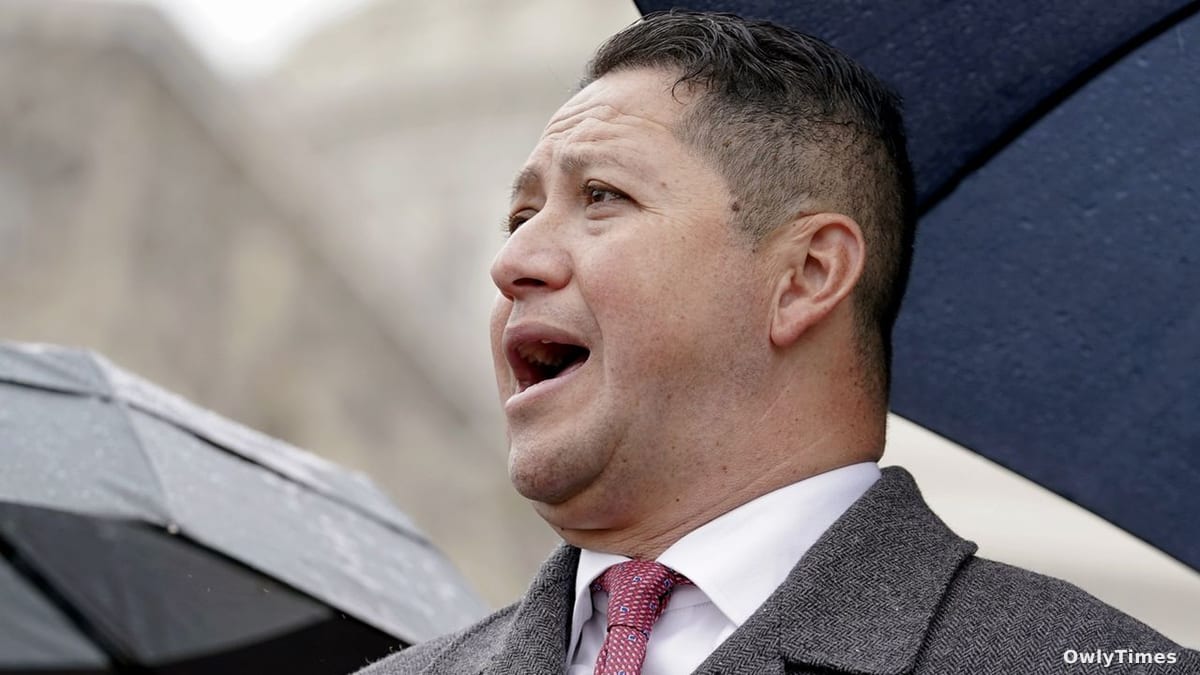
The swift and public calls for Tony Gonzales’ resignation aren’t about an alleged affair; they’re about leverage. The coordinated pressure from hardline Republicans – Lauren Boebert, Anna Paulina Luna, Nancy Mace, and Thomas Massie – isn’t a moral outcry, but a strategic maneuver to weaken a moderate voice within the party and, crucially, to exploit a vulnerability in a competitive primary. The timing, with early voting already underway in Texas’ 23rd congressional district, underscores this calculation. This isn’t a spontaneous reckoning; it’s a calculated offensive.
Source material: Spectrum News.
The immediate trigger is the report in the San Antonio Express-News detailing text messages allegedly revealing an affair between Gonzales and Regina Ann Santos-Aviles, a former staffer who tragically died by suicide in September 2025. While the authenticity of these messages remains unverified by the Associated Press, the allegations themselves are secondary to the political opportunity they present. Mace’s push for the House Ethics Commission to release records on sexual harassment allegations isn’t solely about transparency; it’s about creating a climate of scrutiny that disproportionately impacts those perceived as politically vulnerable. The resolution, while framed as a systemic reform, arrives with laser focus on Gonzales.
This situation echoes historical precedents where personal scandals were weaponized for political gain. The 1987 Senate confirmation hearings of Robert Bork, for example, saw his past actions and writings intensely scrutinized, with personal attacks used to derail his nomination. While the specifics differ, the underlying tactic – leveraging perceived moral failings to undermine a political opponent – remains consistent. The difference here is the speed and directness of the attack, facilitated by social media and a deeply polarized political landscape. Gonzales’ claim of being “blackmailed” – stemming from a $300,000 settlement offer from the attorney of Santos-Aviles’ husband – further complicates the narrative, potentially shifting the focus from the affair itself to questions of extortion. However, the damage, in terms of public perception, is already being done.
The Herrera Factor and Trump’s Position
Gonzales is already facing a formidable challenge from Brandon Herrera, known as “the AK Guy” on YouTube, who boasts a staggering 4.2 million subscribers. This isn’t a typical primary contest; it’s a clash between establishment Republicans and the burgeoning influence of online personalities. Herrera narrowly lost to Gonzales in a 2024 runoff by fewer than 400 votes, demonstrating his capacity to mobilize a dedicated base. The allegations against Gonzales provide Herrera with a potent attack line, allowing him to position himself as a moral alternative. The fact that Gonzales secured an endorsement from Donald Trump in December adds another layer of complexity. Massie’s call for Trump to revoke his endorsement highlights the internal pressure within the party to align with the more conservative wing.
The stakes are high for Trump. Revoking the endorsement could alienate moderate Republicans, while maintaining it risks further fueling the perception of a double standard. This dilemma reflects a broader tension within the GOP: the struggle between appealing to a traditional conservative base and embracing the populist, often unconventional, figures gaining prominence. The $300,000 figure attached to the potential settlement is also significant. Compared to the millions spent on congressional races, it’s a relatively small sum, suggesting the primary motivation isn’t financial gain, but political disruption.
Who Benefits and Who Loses
The immediate beneficiaries of this unfolding drama are Gonzales’ primary opponents, particularly Herrera, who now have a clear opening to attack his character and appeal to conservative voters. The hardline Republicans leading the charge – Boebert, Luna, Mace, and Massie – also stand to gain by demonstrating their willingness to hold fellow party members accountable, bolstering their credentials with their base. Gonzales, obviously, is the primary loser, facing a potentially career-ending scandal and a significantly uphill battle for reelection. However, the long-term consequences could extend beyond this single race.
If Gonzales is forced to resign or loses the primary, it will embolden the more conservative wing of the party and further marginalize moderate voices. The potential for a protracted and messy ethics investigation also creates a distraction from the party’s broader legislative agenda. The family of Regina Ann Santos-Aviles are, tragically, caught in the crossfire, their grief exploited for political purposes. The question of whether the allegations are true or fabricated is almost irrelevant; the political damage is already being inflicted.
The political chess move to watch next is Mike Johnson’s response. While he’s stated the accusations “must be taken seriously,” his call for allowing the investigation to “play out” is a carefully calibrated statement. Will he actively pressure Gonzales to resign, potentially triggering a special election and further destabilizing the House Republican caucus? Or will he maintain a neutral stance, allowing the primary to unfold and hoping the controversy subsides? Johnson’s decision will reveal the extent to which he’s willing to appease the hardline faction within his party and the potential cost of doing so.





