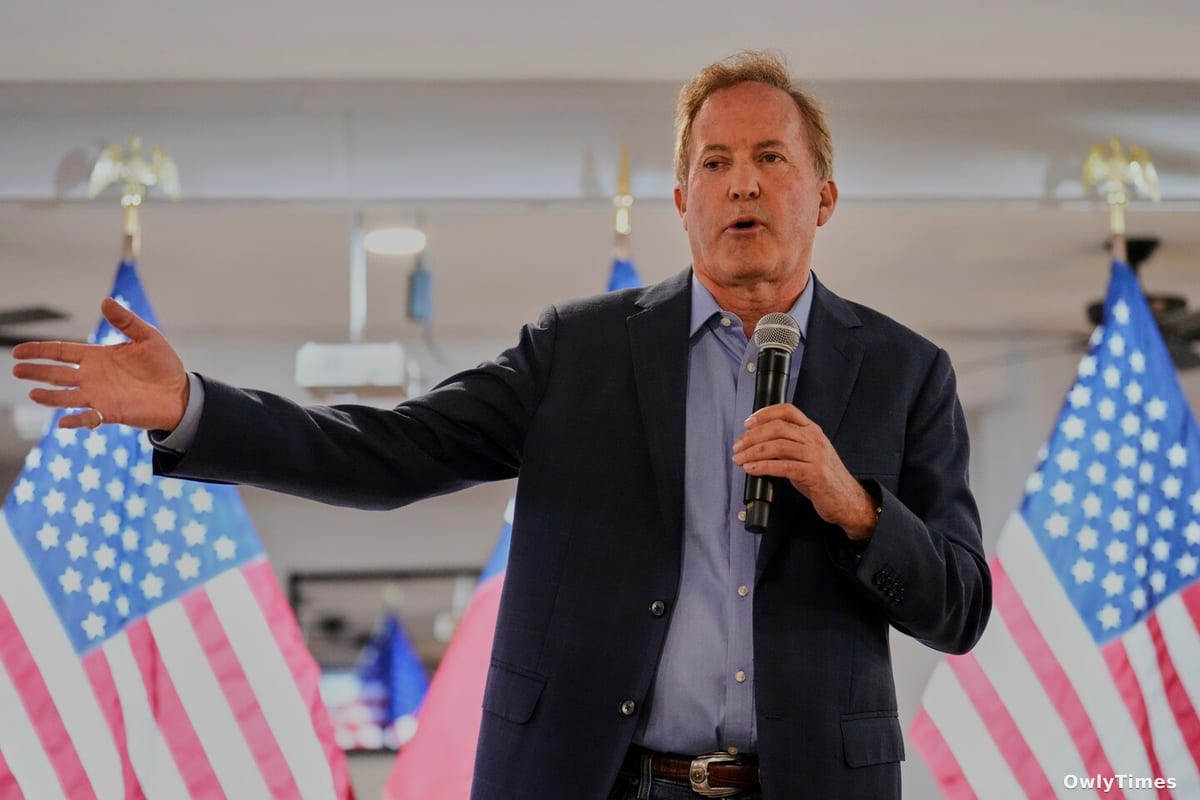

The calculated silence emanating from the Texas Senate primary contenders following the U.S. and Israeli strikes against Iran isn’t a sign of political unity, but a demonstration of risk assessment. With early voting already underway and Election Day looming on March 3rd, the candidates are navigating a volatile geopolitical moment precisely by not taking firm stances – a strategy rooted in the understanding that alienating any segment of the Republican base in a crowded primary is a greater immediate threat than appearing indecisive on foreign policy. The timing of these strikes, just days before a crucial primary, introduces a variable that fundamentally alters the calculus for candidates like Ken Paxton, Royce West, and others.
The Primacy of Domestic Concerns in a Fractured GOP
The cautious responses – or lack thereof – reveal a deeper truth about the Texas primary: the electorate is far more focused on internal fractures within the Republican party than on international affairs. The field, including Paxton, former Nueces County District Attorney Johnathan Jackson, and businessman Ryon Crowley, has largely centered on issues of border security, cultural grievances, and loyalty to Donald Trump. To inject a complex foreign policy debate into this environment risks disrupting a carefully constructed narrative. A strong statement supporting the strikes could energize hawkish voters but simultaneously alienate the growing isolationist wing of the party, while condemnation could be interpreted as weakness. The fact that some candidates “didn’t raise it at all” speaks volumes about their prioritization of domestic political survival.
Source material: The Washington Post.
Who Benefits and Who Loses from the Silence?
The primary beneficiary of this strategic ambiguity is arguably Ken Paxton. Embroiled in ongoing legal battles stemming from his indictment on securities fraud charges and accusations of abuse of power, Paxton has consistently framed himself as a warrior against the “establishment.” A robust foreign policy declaration could open him up to scrutiny regarding his judgment and potentially provide ammunition for his opponents. Remaining silent allows him to maintain his focus on attacking the “RINOs” in the race and solidifying support from his base. Conversely, candidates attempting to differentiate themselves on foreign policy – a difficult task given the limited time and the electorate’s disinterest – risk being labeled as elitist or out of touch. Royce West, the sole prominent Democrat in the race, faces a similar dilemma; a strong statement could be perceived as exploiting a crisis for political gain, while silence could be interpreted as a lack of leadership.
Historical Echoes of Wartime Primaries
This dynamic isn’t unprecedented. The 1968 Democratic primary season unfolded against the backdrop of the Vietnam War, and candidates like Eugene McCarthy and Robert F. Kennedy strategically used anti-war sentiment to challenge the incumbent Lyndon B. Johnson. However, the key difference is that the Vietnam War was a sustained, escalating conflict that directly impacted American lives through the draft. The recent strikes against Iran, while significant, are perceived as a limited response, and the immediate domestic impact is less tangible. This allows candidates to avoid a direct reckoning with the issue. The parallel to the 1976 Republican primary, where Ronald Reagan challenged Gerald Ford, is more apt. Facing economic anxieties and a sense of national malaise, voters were primarily concerned with domestic issues, and foreign policy played a secondary role.
The Looming Question of Post-Primary Alignment
The silence surrounding the Iran strikes isn’t a sign of political courage or thoughtful deliberation; it’s a calculated maneuver designed to maximize electoral chances in a fiercely competitive primary. But the issue won’t simply disappear. Should any candidate emerge victorious, they will inevitably be forced to articulate a coherent foreign policy vision, particularly as the situation in the Middle East continues to evolve. The critical chess move to watch isn’t what these candidates say before Tuesday, but how quickly – and to what extent – the eventual nominee aligns themselves with the Biden administration’s policy in the aftermath of the primary. Will they adopt a hawkish stance to appeal to the base, or will they seek common ground in the interest of national security? The answer to that question will reveal the true extent of their political pragmatism.





