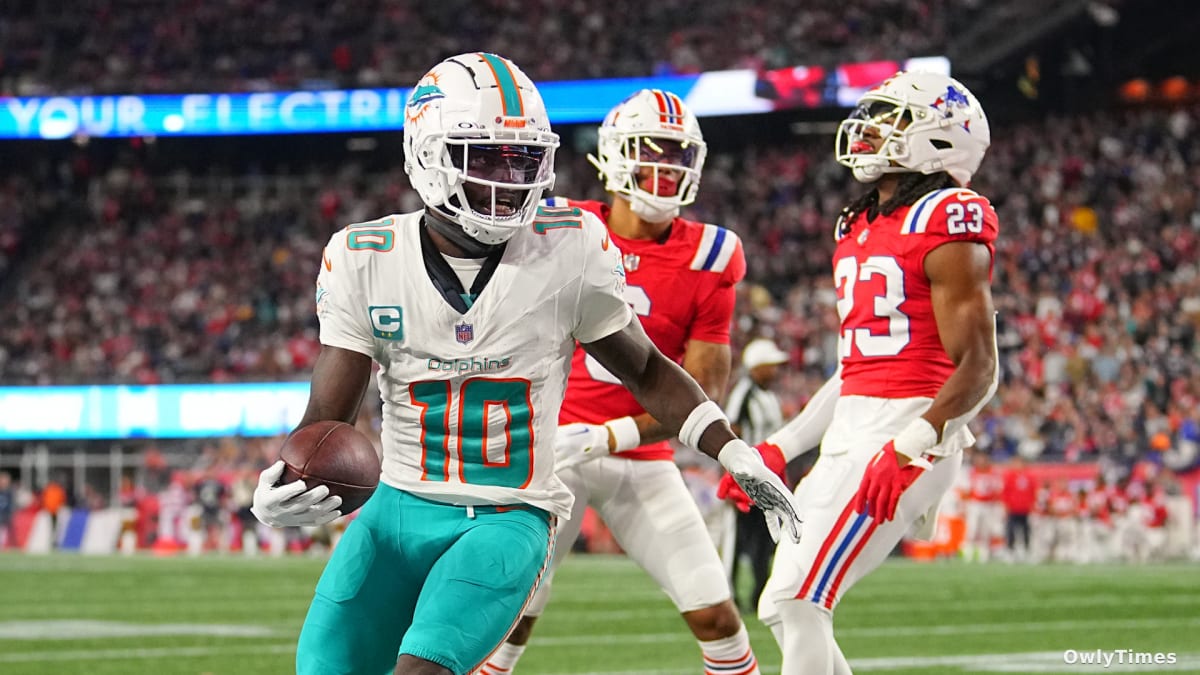

The Hard Rock Stadium crowd roared, a wave of turquoise and orange washing over Tyreek Hill as he sprinted towards the endzone. It was November 2023, and for a moment, it felt like the magic was still there – the impossible speed, the effortless separation, the sheer joy of watching “The Cheetah” fly. But that image feels distant now, a highlight reel fading into the stark reality of a business decision. This week, the Miami Dolphins released Hill, a move that sent shockwaves through the NFL, not because it was unexpected – the looming contract guarantees made it almost inevitable – but because of how it was handled, and what it reveals about the shifting priorities within the league. It’s a story far beyond cap space and roster management; it’s about the precariousness of even superstar status in a league increasingly driven by financial calculation.
The Price of Speed: Miami’s Calculated Risk
The Dolphins saved nearly $70 million by cutting Hill and three other players, a sum that speaks volumes about the pressures facing teams navigating the NFL’s complex salary cap. While $70 million sounds like a fortune, it’s crucial to remember the context: the cap is currently set at $255.4 million, and teams are constantly juggling contracts to remain competitive. The decision wasn’t about Tyreek Hill’s declining performance – though his 2024 season was his lowest in terms of production, with 21 catches for 265 yards and a touchdown before his season-ending injury – it was about avoiding $70 million in guarantees that would have kicked in for the 2026 season. This isn’t a case of a player being deemed “washed”; it’s a cold, hard calculation of risk versus reward. The Dolphins, despite Hill’s electrifying presence, decided the risk of those future guarantees outweighed the potential benefit. This is a growing trend in the NFL, where even established stars are becoming increasingly expendable if their contracts don’t align with long-term financial strategies.
Source material: CBS Sports.
A Cheetah Reborn: Hill’s Response and the Power of Narrative
What’s striking about this situation is Tyreek Hill’s reaction. There’s no bitterness, no public feuding. Instead, a remarkably gracious Instagram post thanking the city of Miami and its fans. “Y’all are different man,” he wrote, acknowledging the unique connection he felt with the fanbase. This isn’t just good PR; it’s a savvy move by a player acutely aware of his market value. Hill understands that projecting an image of positivity and unwavering dedication – “The Cheetah don’t slow down, ever,” he declared – will only increase his appeal to potential suitors. He’s framing his release not as a rejection, but as a rebirth, an opportunity to “get locked in” and return to elite form. This control of the narrative is crucial, especially given the uncertainty surrounding his recovery from a torn ACL suffered in September. He’s already walking without a brace, a positive sign, but medical evaluations will be paramount in determining his next contract.
Beyond the Field: The Shifting Landscape of NFL Loyalty
The release of Tyreek Hill isn’t just about one player; it’s a symptom of a larger cultural shift within the NFL. The league, once built on the mythology of player loyalty and franchise cornerstones, is increasingly resembling a free agency carousel. Players are now brands, assets to be managed, and contracts are viewed as liabilities. This trend is fueled by the escalating financial stakes of the game, with television deals and sponsorships driving revenue to unprecedented levels. While players benefit from higher salaries, they also face a growing sense of insecurity. The era of a player spending an entire career with one team is rapidly fading, replaced by a transactional reality where even a Super Bowl champion like Hill can be cut loose to save money. His previous six years with the Kansas City Chiefs feel like a lifetime ago in this new NFL.
What Happens Next: The Cheetah’s Next Chapter
Tyreek Hill is now an unrestricted free agent for the first time in his career, and the interest will be substantial. Teams like the Bills, Chargers, 49ers, and Patriots – all playoff contenders with established quarterbacks – are frequently mentioned as potential landing spots. But the question isn’t just where he’ll go, but how his value will be assessed. Will teams prioritize his potential for explosive plays, or will they be hesitant due to his recent injury and the looming specter of long-term financial commitments? The Dolphins’ decision has set a precedent, demonstrating that even elite players aren’t immune to the pressures of the salary cap. The NFL is watching closely. Will other teams follow suit, proactively cutting star players to avoid future financial burdens? Or will Hill’s situation serve as a cautionary tale, reminding teams that sometimes, the intangible value of a game-changing player outweighs the cost of a contract? The answer will shape the future of player management and the very definition of loyalty in the modern NFL.