
The Paradox of Attrition: How Ukraine is Making Russia’s Air Defenses More Dangerous to NATO
The ongoing war in Ukraine, while demonstrating the resilience of Ukrainian forces and the limitations of Russian military doctrine, is simultaneously creating a more formidable adversary for NATO in the form of a battle-hardened and increasingly sophisticated Russian air defense network. A recent report by Justin Bronk, an air power expert at the UK’s Royal United Services Institute (RUSI), warns that Russia’s air defenses now pose a greater threat to NATO air forces than they did before the 2022 invasion. This isn’t simply a matter of maintaining numbers; it’s a story of adaptation, experience, and a dangerous paradox: destruction of systems in Ukraine is inadvertently enhancing Russia’s overall air defense capability. The implications are significant, forcing a reassessment of Western airpower doctrine and accelerating the need for substantial investment in countermeasures.
Reporting from Business Insider informs this analysis.
Background & Context: A History of Russian Air Defense Dominance
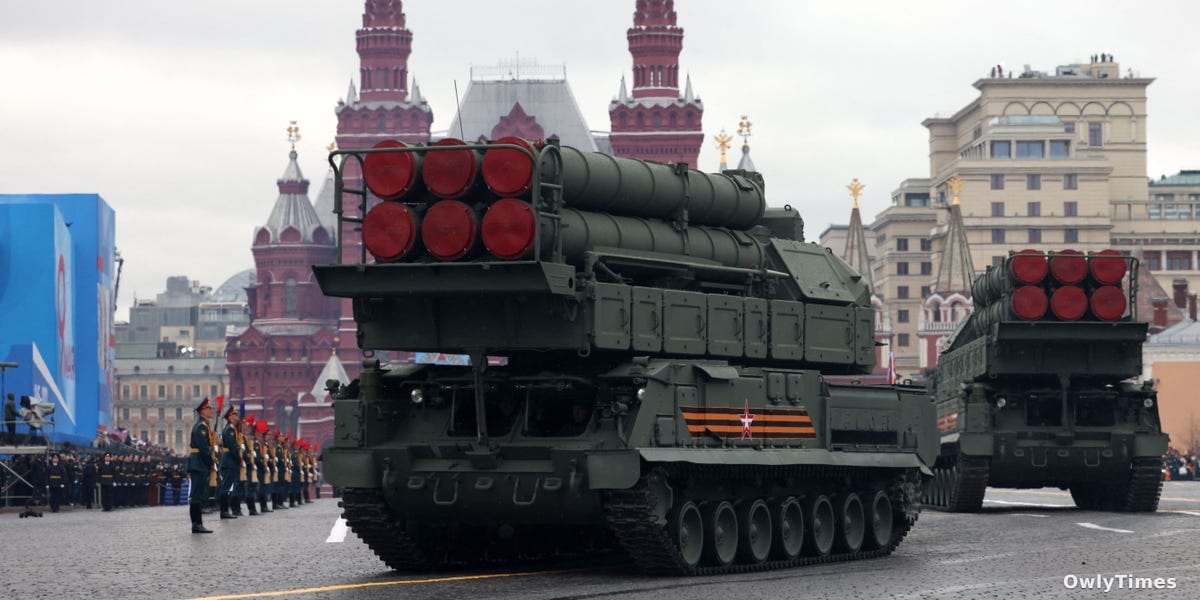
Russia has long prioritized integrated air defense systems (IADS), viewing them as crucial for protecting its vast territory and projecting power. This emphasis stems from historical vulnerabilities – particularly the memory of devastating air raids during World War II – and a strategic doctrine that anticipates potential conflicts with technologically advanced adversaries. Before the invasion of Ukraine, Russia possessed the largest and most layered IADS in Europe, comprised of long-range systems like the S-400 Triumf, medium-range systems like the Buk-M2, and shorter-range platforms.
The conflict in Ukraine initially appeared to present an opportunity to degrade this network. Ukrainian forces, aided by Western intelligence and weaponry, have achieved a “steady drumbeat” of successes against Russian air defense assets, utilizing drones, artillery, and missiles. However, this attrition has not resulted in a weakened Russia, but rather a catalyst for rapid learning and adaptation. This represents a shift from the pre-2022 assumption that simply degrading the quantity of Russian systems would inherently diminish the threat. What’s often overlooked is that military technology isn’t static; it evolves through real-world application, and the Ukrainian theater has become a brutal, high-stakes testing ground for Russian air defense doctrine.
The Combat Edge: Experience, Upgrades, and Coordination
Bronk’s analysis, based on interviews with Western air forces, data from Ukraine, and open-source intelligence, highlights three key areas of improvement. First, Russian crews are now “significantly more combat-experienced” than they were before the invasion. This isn’t merely about hours logged; it’s about learning to operate in a contested environment, adapting to Ukrainian tactics, and refining procedures under fire. Second, Russia continues to produce and deploy newer, more capable systems like the S-350 Vityaz, mitigating some of the losses incurred in Ukraine. Crucially, these systems aren’t being deployed in isolation.
The most significant development, however, is the improved coordination between Russian air defense assets and other elements of its military. Ukraine has observed Russia increasingly integrating its long-range surface-to-air missiles with fighter jets and A-50U airborne early warning and control (AEW&C) aircraft. This allows them to extend the range of their missiles and engage targets that would previously have been beyond their reach. This signals a move towards a more networked and proactive air defense posture, making it significantly harder for NATO aircraft to operate effectively in a contested airspace. The sheer volume of these systems – “several hundred batteries” remain in service – combined with this enhanced coordination, presents a daunting challenge.
What This Means: Implications for NATO and Beyond
The implications of Bronk’s findings are far-reaching. For NATO, it necessitates a fundamental reassessment of its airpower doctrine, which traditionally relies on achieving rapid air superiority as a prerequisite for ground operations. The prospect of facing a highly capable and experienced Russian IADS in Europe raises serious questions about NATO’s ability to quickly suppress or destroy these defenses, a critical step before deploying air assets. This is particularly concerning given that NATO’s own arsenal of ground-based air defenses is comparatively smaller than Russia’s.
The increased threat also has significant budgetary implications. NATO members have already committed to increased defense spending, but this report underscores the urgent need to prioritize investment in advanced electronic warfare capabilities, anti-radiation missiles, and long-range standoff weapons designed to neutralize enemy air defenses. For policymakers, it highlights the importance of understanding that simply providing Ukraine with aid isn’t solely about bolstering Kyiv’s defenses; it’s also about gaining invaluable intelligence on Russian tactics and capabilities. The public should be aware that a potential conflict with Russia would likely be far more challenging and protracted than previously anticipated, requiring a sustained and comprehensive commitment to defense preparedness.
Looking Ahead: A Shifting Landscape
The next few years will be critical. We should watch for continued Russian investment in air defense upgrades and integration, particularly focusing on advancements in electronic warfare resistance and long-range targeting capabilities. Equally important is monitoring NATO’s response – specifically, the pace of deployment of new air defense systems to Europe and the development of innovative tactics to counter the Russian threat. A key unanswered question is whether Russia will continue to refine its tactics observed in Ukraine, and whether NATO can effectively replicate and counter those strategies in a larger-scale conflict.
Several scenarios are possible. Russia could continue to prioritize air defense as a key component of its military strategy, further solidifying its advantage in this domain. Alternatively, economic pressures or unforeseen setbacks in Ukraine could force Moscow to scale back its investment in air defense modernization. Regardless, the lessons learned from the war in Ukraine are clear: the age of unchallenged Western air superiority is over, and a new era of contested airspace has begun.