
Is the United Nations secretary-general selection process truly about finding the best leader for the world, or simply the candidate with the deepest pockets and most powerful backers? The recent push for financial transparency, culminating in resolutions demanding candidate disclosures, feels like a belated attempt to address a problem everyone politely ignored for decades. The real story here isn't the fact of these disclosures – it’s how utterly inadequate they are, and what that says about the UN’s commitment to genuine reform.
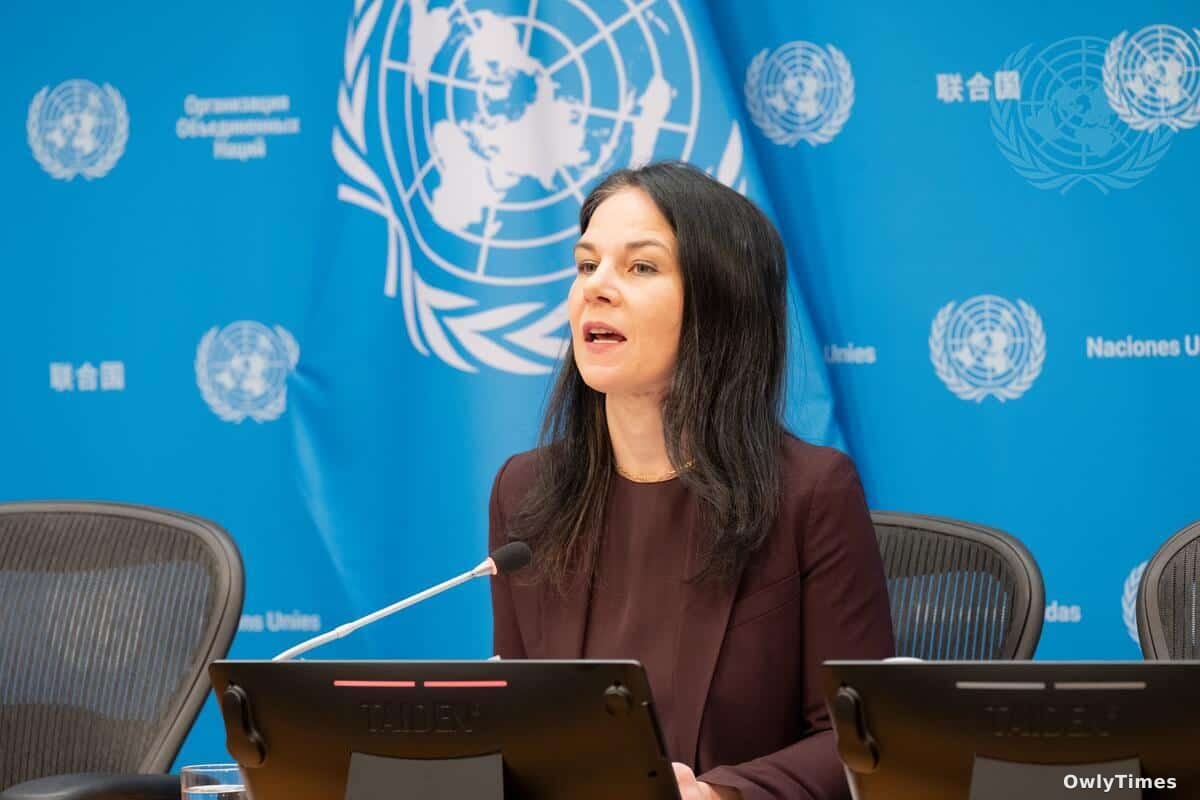
For years, the 1 for 8 Billion NGO has been a lone voice calling for sunlight on the funding behind these campaigns, starting in 2014. While the UN Ethics Office already requires financial disclosures from senior staff to prevent conflicts of interest, the process for selecting the secretary-general operated in a remarkably opaque fashion. As Annalena Baerbock, president of the UN General Assembly, oversees the current selection process with a tentative April 1, 2026 deadline for candidates, it’s crucial to understand that this isn’t a sudden embrace of ethics, but a hard-won concession. The 2023 resolution – simply inviting candidates to disclose funding – was a starting point, and the 2025 resolution making it a requirement felt like a genuine breakthrough. But a requirement on paper is meaningless without teeth.
The initial disclosures from the current crop of candidates – Rafael Mariano Grossi (Argentina), Michelle Bachelet (Chile, Brazil, and Mexico), Macky Sall (Burundi), Rebeca Grynspan (Costa Rica), and Virginia Gamba (Maldives) – are, frankly, embarrassing. Grossi will self-fund. Bachelet relies on “public resources.” Sall uses “personal and public resources.” Grynspan accepts “public and private sources.” Gamba receives in-kind donations from the International Model United Nations Association (IMUNA) and personal funds. These statements aren’t disclosures; they’re carefully worded non-answers. It’s the equivalent of saying you’re eating “food” without specifying if it’s a gourmet meal or a bag of chips. The scale matters. The source of the “public resources” matters. Knowing a candidate is funded by “private sources” tells us nothing without knowing which private sources.
This vagueness isn’t accidental. It reflects a system where influence is often exerted subtly, through promises of future favors or access. The UN, unlike national elections, lacks established spending limits or independent oversight. Consider the example of the World Health Organization director-general election, where candidates and supporting states must disclose campaign activities and funding amounts. The UN should adopt a similar standard, providing equal travel support to all candidates to level the playing field. Right now, a well-funded candidate can dominate the campaign trail simply by outspending their rivals on travel and events. This isn’t about leveling the playing field for the candidates; it’s about ensuring the selection isn’t swayed by those who can write the biggest checks.
See the original passblue.com story for the full account.
The ACT coalition of 27 member states and Germany have already voiced their disappointment with the lack of detail, echoing 1 for 8 Billion’s concerns. They’re right to be concerned. The current system allows for the perception – and potentially the reality – of undue influence. Candidates are supposed to be impartial international civil servants, bound by Article 100 of the UN Charter not to take instructions from any government. But how can we be sure they’re truly independent if we don’t know who’s funding their campaigns? The call for candidates to pause their UN roles during the campaign, as stipulated in Resolution 79/327, is another crucial step, but one that relies on voluntary compliance.
The UN’s attempt to address this issue feels reactive, not proactive. The requirement for ongoing updates, as outlined in Resolution 79/327 and championed by Baerbock’s office, is a step in the right direction, but it’s only as effective as the willingness of member states to hold candidates accountable. We’re currently in a “show your work” phase, where candidates are ticking a box without revealing the underlying calculations.
Here’s what to watch for: over the next six months, will we see candidates voluntarily release detailed breakdowns of their funding sources, including specific amounts and donors? Or will we be left with a series of vague statements and carefully crafted ambiguities? More importantly, will the General Assembly and Security Council presidents actively enforce the update requirement, publicly challenging candidates who fail to provide sufficient information? If the answer to both questions is no, then the 2025 resolution will be remembered not as a landmark achievement, but as another example of the UN’s penchant for symbolic gestures over substantive change. The next secretary-general will be chosen, but the question of whether that choice was truly independent will remain unanswered.





