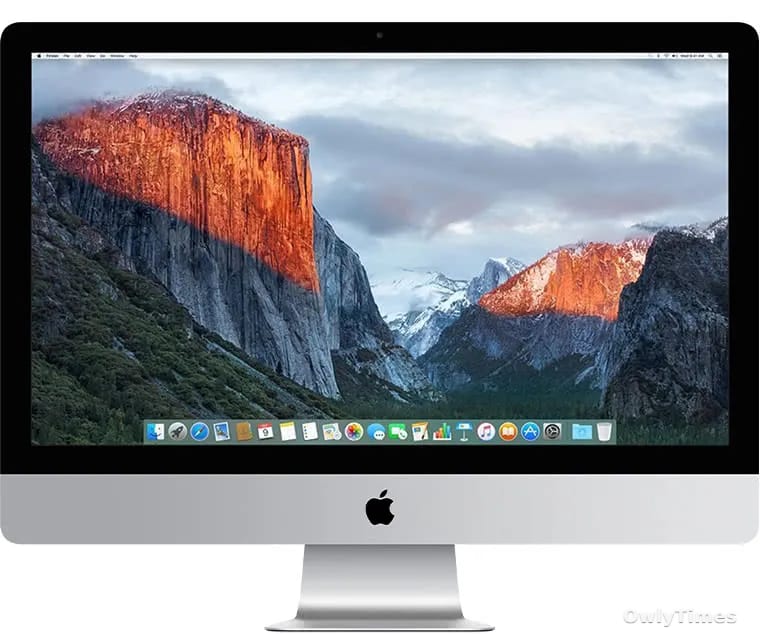

Is your decade-old iMac gathering dust because Linux support feels…incomplete? While Silicon Valley chases the next AI breakthrough, a quiet battle is being fought – and won – for the right to repair, repurpose, and extend the life of our existing hardware. The real story here isn't about flashy new GPUs, it’s about Timur Kristóf of Valve single-handedly rescuing aging AMD Radeon graphics cards from obsolescence, and the implications that has for the broader “right to repair” movement.
The Unexpected Lifeline for Old Apple Hardware
For years, the open-source Linux graphics driver landscape has been a patchwork of progress and frustration. Last year, Kristóf’s work with the AMDGPU driver was a major win, automatically upgrading older Radeon GCN 1.0/1.1 GPUs to a more modern experience with performance gains and Vulkan support. But that progress wasn’t universal. Since June 2024, users with Radeon R9 M380 graphics processors inside older Intel-powered iMacs have been hitting a wall: the AMDGPU driver simply wouldn’t play nice, resulting in boot failures and a cascade of kernel errors – errors that vanished when reverting to the legacy Radeon driver. This wasn’t a minor inconvenience; it effectively locked these machines out of the benefits of the newer driver stack. The error messages, filled with cryptic codes like “amdgpu: failed to send message 10a ret is 0,” were a stark reminder that even open-source software isn’t immune to hardware-specific quirks.
Source material: phoronix.com.
Decoding the Decade-Old Problem
What made this bug particularly thorny wasn’t just its persistence – the report was over a year and a half old – but its specificity. It wasn’t a widespread AMDGPU issue, but a problem confined to a particular combination of aging hardware: decade-old Apple iMacs with early GCN GPUs. Kristóf’s dedication to tracking down the root cause is where the story gets truly interesting. He actually acquired one of these problematic iMacs, and through painstaking debugging, discovered the issue stemmed from a voltage dependency in the display clock. The AMDGPU driver wasn’t providing enough voltage to properly drive the display controller, particularly when using the newer AMDGPU DC display code. Essentially, the hardware was capable, but the software wasn’t telling it to try hard enough.
Beyond the iMac: A Win for Hardware Longevity
The fix, currently residing in a Git branch awaiting review, is elegantly simple: disable memory clock dynamic power management (MCLK DPM) and force the highest memory clock when DPM is disabled. This workaround circumvents the voltage issue, allowing the GPU to function correctly. While seemingly niche, this fix speaks to a larger trend. We’re constantly bombarded with messaging about needing the latest and greatest tech, but Kristóf’s work demonstrates the value of supporting older hardware. It’s a direct challenge to the planned obsolescence built into so much of the tech industry. Consider that the average lifespan of a desktop computer is around three years, while an iMac, with proper software support, can easily last a decade or more. The environmental impact of constantly replacing functional hardware is significant, and initiatives like this offer a sustainable alternative. The fact that a single developer at Valve is addressing these issues, while major manufacturers often abandon older products, is a telling indictment of the industry’s priorities.
The Future of Open-Source Hardware Support
This isn’t just about getting older iMacs to run Linux smoothly. It’s about establishing a precedent for long-term hardware support within the open-source community. Expect to see increased pressure on manufacturers to provide detailed hardware specifications and cooperate with open-source developers. The success of Kristóf’s work will likely inspire others to tackle similar challenges, extending the lifespan of countless devices. My prediction? Within the next 18 months, we’ll see a surge in community-driven projects focused on reverse-engineering and creating open-source drivers for legacy hardware, fueled by a growing awareness of the environmental and economic benefits of extending the life of our tech. The question isn’t if this will happen, but how quickly the industry will respond to the demand for truly sustainable technology.