
The calculated disregard for allies displayed leading up to the recent conflict with Iran wasn’t an oversight, but a deliberate signal – a geopolitical echo of a past first lady’s infamous jacket: “I Really Don’t Care. Do U?” This wasn’t simply a war launched; it was a demonstration of power predicated on minimizing constraints, a rejection of the coalition-building and diplomatic legitimacy that characterized past US interventions like the 1990-91 Gulf War or even the 2003 invasion of Iraq. The strategic calculus was clear: to project US strength, deliver a perceived victory over a decades-long adversary, and reshape the regional balance of power, even at the cost of alienating traditional partners. The immediate consequence, nine days into the conflict, is a world pulled deeper into the unpredictable vortex of Donald Trump’s politics, a world forced to navigate a new reality where American might is unleashed with little regard for shared interests.
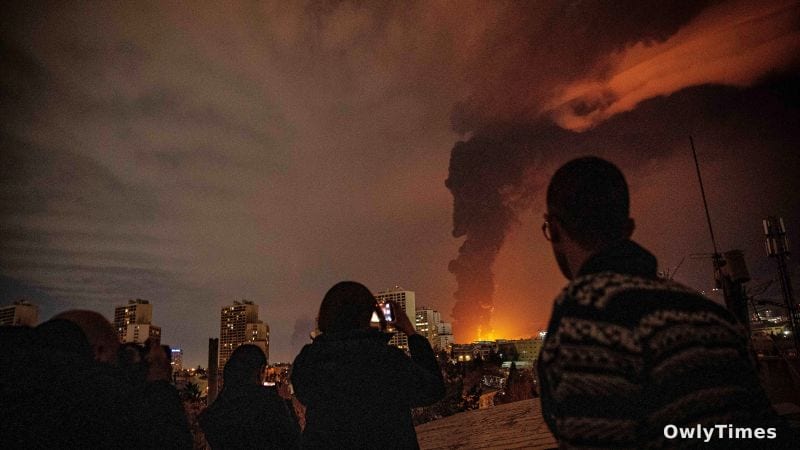
The speed and opacity of the US and Israeli opening strikes – targeting Ayatollah Ali Khamenei, Iran’s supreme leader – created a regional pandemonium. European and Middle Eastern governments found themselves confronting a war they hadn’t anticipated and largely didn’t desire, scrambling to evacuate citizens and bracing for economic fallout. Soaring energy prices are already battering fragile economies, and domestic political unrest is brewing. In the Gulf states, US allies faced a barrage of drones and missiles that shattered the illusion of security in their opulent cities and effectively shut down a critical aviation hub. This initial shock revealed a fundamental truth: the war wasn’t about collective security, but about a unilateral assertion of US interests, a muscular embodiment of an “America First” doctrine.
The blindsiding of allies wasn’t accidental. A US official revealed the extent of the disregard, noting that even Italy’s defense minister, a country ideologically closer to the Trump administration than many in Europe, was caught completely off guard during a visit to Dubai when the conflict erupted. This wasn’t merely a failure of communication; it was a deliberate assertion of autonomy, a signal that the US would act according to its own assessment of its interests, regardless of allied concerns. This echoes historical precedents, though with a distinct escalation. While previous administrations have occasionally acted unilaterally, the degree of pre-emptive disregard for allies is unprecedented in the post-World War II era, surpassing even the controversial decisions surrounding the Iraq War. The difference lies not just in the action, but in the explicit rejection of the need for allied buy-in.
The war’s potential benefits, as envisioned by the administration, are threefold: a weakened Iran, a bolstered US image as a regional strongman, and enhanced Israeli security after a nearly 50-year feud with the Islamic Republic. However, this optimistic assessment overlooks the significant risks. While relentless US and Israeli air attacks may succeed in curtailing Iran’s immediate capacity to threaten its neighbors, the potential for unintended consequences is immense. Without a clear path to regime change, a brutal crackdown on dissent within Iran is likely, potentially fueling further instability. A complete collapse of the Iranian state could trigger a refugee crisis and economic devastation, destabilizing the entire region and beyond. The administration’s triumphalism, while politically expedient, ignores the complex realities on the ground.
Original reporting: CNN.
The current situation has created a paradoxical dynamic for Western and Middle Eastern nations: they can’t live with Trump’s policies, but they can’t afford to live without US power. This has forced allies into a delicate balancing act, attempting to manage the fallout while simultaneously avoiding direct confrontation with the administration. As Julien Barnes-Dacey, program director for the Middle East at the European Council on Foreign Relations, observed, Europeans are “caught between a rock and a hard place,” torn between upholding international law and maintaining good relations with the US. This sentiment is reflected in the cautious approach adopted by many European governments, who are attempting to “condemn the methods but condone the motives,” as articulated by Nicholas Dungan, CEO of CogitoPraxis. The underlying tension is clear: allies are compelled to cooperate with a US policy they fundamentally disagree with, driven by a combination of necessity and fear of retribution.
The administration’s dismissive attitude towards allied concerns is particularly striking. When asked whether he desired more help, Trump bluntly stated, “I couldn’t care less. They can do whatever they want.” This statement, while characteristic of his combative style, underscores the fundamental shift in US foreign policy: a willingness to operate independently, even if it means alienating long-standing allies. This echoes the historical pattern of revisionist powers challenging the existing international order, though the US, unlike previous challengers, still maintains a network of alliances it is actively undermining. The transatlantic alliance is particularly strained, as evidenced by the recent tensions with Britain over the use of its bases for US combat sorties.
The situation in the Gulf is equally precarious. Iranian missile and drone attacks have disrupted life across the region, targeting infrastructure and civilian facilities in Kuwait, Saudi Arabia, Oman, the United Arab Emirates, Qatar, and Bahrain. The disruption of liquified natural gas production in Qatar and the potential closure of the Strait of Hormuz – a vital oil transit point – are already causing economic mayhem. Despite the administration’s claims of surprise, the Iranian response was entirely predictable, highlighting a superficiality in the White House’s planning. As Paul Musgrave, a professor at Georgetown University in Qatar, pointed out, the administration “really thought that the Iranians were bluffing.” This miscalculation underscores a broader pattern of overconfidence and a disregard for the potential consequences of its actions.
Looking ahead, the key political chess move to watch is not whether the US achieves its military objectives in Iran, but how it manages the inevitable backlash from allies and the long-term consequences of its unilateralism. Will the administration double down on its “America First” approach, further alienating its partners? Or will it attempt to recalibrate its strategy, seeking to rebuild trust and forge a more collaborative approach to regional security? The answer to this question will determine not only the future of the Middle East, but also the future of the transatlantic alliance and the broader international order. Specifically, monitor whether the administration attempts to leverage the perceived threat from Iran to extract concessions from European allies on issues unrelated to the conflict, such as trade or defense spending. This would be a clear indication that the war is not simply about Iran, but about a broader effort to reshape the global power dynamic in America’s favor.