
The Unexpected Role of Workplace Wellbeing: Why Vanderbilt Health is Highlighting Employee Pets
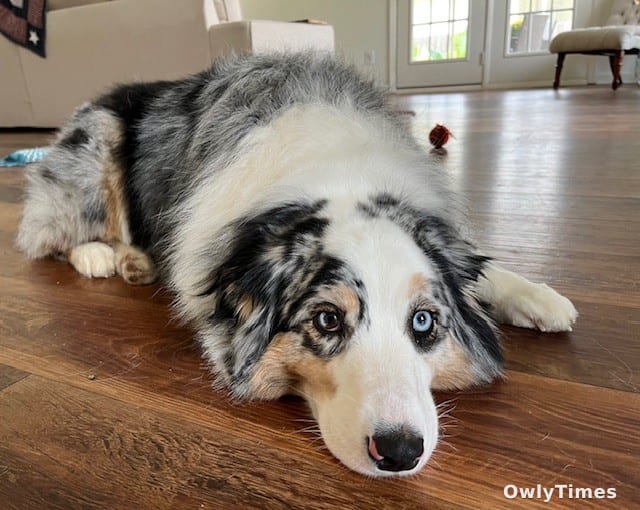
The question of how to foster a positive work environment is hardly new, but the methods being employed by institutions like Vanderbilt Health are evolving beyond traditional benefits packages and team-building exercises. On March 3, 2026, the organization’s internal newsletter, MyVUMC News, featured not research breakthroughs or policy changes, but two canine employees – in spirit, at least. Momo, a blue merle Australian shepherd submitted by Ginger DeBellis of the Vanderbilt Vaccine Center, and Smokey, a Pomsky submitted by Haley Villacorta of Population Health, were designated “Dogs of the Day.” This seemingly lighthearted initiative, however, speaks to a growing body of evidence suggesting a direct link between employee wellbeing, a sense of community, and even institutional loyalty – and it’s a strategy worth examining closely as other organizations grapple with post-pandemic workforce challenges. The selection of these pets isn’t arbitrary; they’re chosen from hundreds of submissions to the “Voice Pet Photo Contest,” a program designed to actively solicit and celebrate the personal lives of Vanderbilt Health staff.
This article draws on reporting from news.vumc.org.
Beyond “Puppy Love”: The Science of Workplace Connection
The impulse to share pictures of our pets is deeply ingrained, and increasingly, organizations are recognizing the potential of that impulse to build internal cohesion. While it’s easy to dismiss this as mere “fluff,” research in positive psychology demonstrates the powerful effect of social connection on stress reduction and overall wellbeing. A 2023 study published in The Journal of Applied Psychology found that employees who felt a strong sense of belonging at work reported 27% lower levels of burnout compared to those who did not. The “Pets of the Day” program, by providing a shared point of positive engagement – a cute animal photo – subtly encourages that sense of belonging. It’s a low-stakes, universally accessible topic that can spark conversations between colleagues who might not otherwise interact, bridging departmental silos and fostering a more collaborative atmosphere. DeBellis describes Momo as “a sweet and super smart…neighbor watching and snuggles” companion, a description that evokes positive emotions and a sense of relatable normalcy. This isn’t about the pets themselves being at work, but about the pets representing a valued part of employees’ lives being recognized by the institution.
A Shift in Internal Communications: From Top-Down to Participatory
What’s particularly noteworthy about Vanderbilt Health’s approach is how this information is disseminated. The “Pets of the Day” aren’t announced via a formal press release or a top-down memo. They’re integrated into MyVUMC News, a twice-weekly newsletter already established as a primary source of internal communication. This integration is crucial. It signals that employee wellbeing isn’t a separate initiative, but an inherent part of the organization’s culture. Furthermore, the program relies on active participation – the photo contest – rather than passive reception. This participatory element is key to its success. According to Vanderbilt Health News and Communications, the program receives “hundreds of entries,” demonstrating a clear appetite among staff for this type of engagement. This contrasts sharply with traditional internal communications strategies that often prioritize broadcasting information to employees, rather than creating opportunities for employees to contribute to the narrative.
Limitations to Consider: Measuring Impact and Avoiding Performative Wellbeing
While the potential benefits are clear, it’s important to acknowledge the limitations of this approach. Currently, there’s no publicly available data quantifying the impact of the “Pets of the Day” program on employee wellbeing metrics like burnout rates or job satisfaction. Correlation does not equal causation, and it’s possible that the program simply appeals to employees who are already highly engaged. Moreover, there’s a risk of “performative wellbeing” – initiatives that appear to prioritize employee happiness but lack substantive impact. A single pet photo, however charming, won’t solve systemic issues like workload imbalances or lack of career development opportunities. The program’s success hinges on its integration with broader wellbeing initiatives and a genuine commitment from leadership to fostering a supportive work environment. The fact that a dedicated webpage exists to showcase all submitted photos – accessible through the Voice site – suggests a sustained effort beyond a fleeting publicity stunt, but ongoing evaluation is essential.
Looking Ahead: The Future of Workplace Culture and Employee Voice
The next step for Vanderbilt Health, and for other organizations considering similar initiatives, is to systematically assess the impact of these programs. This could involve conducting employee surveys before and after implementation, tracking participation rates in the photo contest, and analyzing qualitative feedback from staff. More broadly, the question becomes: how can organizations leverage the power of personal connection to build stronger, more resilient workforces? We should anticipate a move towards more participatory internal communications strategies, where employees are not just recipients of information, but active contributors to the organizational narrative. The upcoming announcement of the next Pet Photo Contest submission period in MyVUMC News will be a key indicator of whether this initiative is sustained and expanded. Will Vanderbilt Health explore other avenues for celebrating employee lives outside of work? Will other institutions follow suit, and if so, how will they adapt the model to their own unique cultures? The answers to these questions will shape the future of workplace wellbeing for years to come.





