
Beyond the Bench: Recognizing the Infrastructure of Innovation at Vanderbilt
The pursuit of medical breakthroughs often focuses on the dramatic “Eureka!” moment – the discovery itself. But translating those discoveries into tangible improvements in patient care, and sustaining that process over time, requires a far less glamorous, yet equally vital, ecosystem of support. The 2026 Edge for Scholars Translational Science and Research Forum, held February 18th at the Vanderbilt Student Life Center, didn’t just celebrate scientific findings; it honored the individuals who build and maintain that ecosystem, a shift in focus that speaks to a growing understanding of how research truly progresses. This year’s awards, presented by Edge for Scholars – a Vanderbilt Health resource for faculty development – highlight a critical point: innovation isn’t solely the product of individual brilliance, but of deliberate, sustained investment in infrastructure and mentorship.
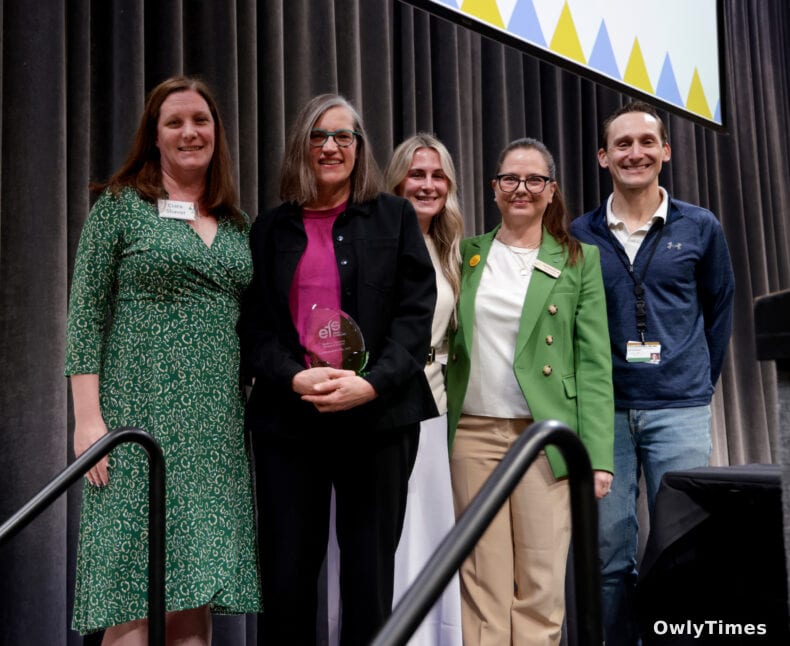
The core challenge in translational research, as the forum implicitly acknowledges, is bridging the “valley of death” between promising laboratory results and real-world application. This gap isn’t simply a matter of funding, though that’s certainly a factor. It’s a complex interplay of regulatory hurdles, clinical trial design, data analysis, and ultimately, convincing healthcare systems to adopt new practices. The Award for Distinguished Service to Translational Scientists, presented to Cheryl Gatto, PhD, operations director of the Center for Learning Healthcare, directly addresses this challenge. Gatto’s work isn’t about a single discovery, but about creating the shared resources – the logistical and analytical tools – that allow other scientists to navigate this complex landscape. This recognition is particularly noteworthy given the increasing pressure on academic medical centers to demonstrate return on investment in research; Gatto’s award signals a valuing of the often-invisible work that maximizes that return.
Source material: news.vumc.org.
Alongside the focus on infrastructure, the forum also underscored the enduring importance of mentorship. Lorraine Ware, MD, professor of Medicine specializing in pulmonary and critical care, received the award for Excellence in Mentoring Translational Scientists. Ware’s research into acute lung injury and respiratory distress syndrome provides a clinical grounding for her mentorship, but the award itself recognizes her broader impact: igniting research interest in trainees, fostering independent investigators, and contributing to career development within the wider community. This isn’t simply about passing on technical skills; it’s about cultivating a mindset of inquiry and resilience, qualities essential for navigating the inevitable setbacks inherent in translational research. The fact that three faculty – Daniel Claassen, MD, MS, Alvin Powers, MD, and Christianne Roumie, MD, MPH – were honored for mentoring five or more individuals to career development award status is a powerful indicator of the sustained impact of strong mentorship at Vanderbilt.
It’s important to note what these awards don’t tell us. While the forum celebrates success, it doesn’t offer a comprehensive accounting of the challenges facing translational research at Vanderbilt. For example, the university’s recent strategic plan emphasizes data science and artificial intelligence, reflected in the keynote address by Peter Embí, MD, MS, co-director of the ADVANCE AI Center. However, the awards themselves don’t explicitly address how these emerging technologies are being integrated into existing translational research workflows, or whether adequate resources are being allocated to ensure equitable access to these tools. The seven faculty poster sessions and research talks, while valuable, represent a small fraction of the research activity occurring at Vanderbilt Health, raising questions about how to best showcase and support a wider range of translational projects.
Looking ahead, the next crucial step is to understand how the principles recognized by these awards – investment in infrastructure and sustained mentorship – can be scaled and replicated across different departments and disciplines. Will Vanderbilt prioritize funding for shared resources, even in areas outside of established centers like the Center for Learning Healthcare? And how will the university ensure that mentorship opportunities are available to all trainees, regardless of their background or career path? The success of translational research ultimately depends not just on individual discoveries, but on a collective commitment to building a supportive and equitable research environment. The question now is whether Vanderbilt will translate this recognition of vital support systems into concrete, long-term investment.