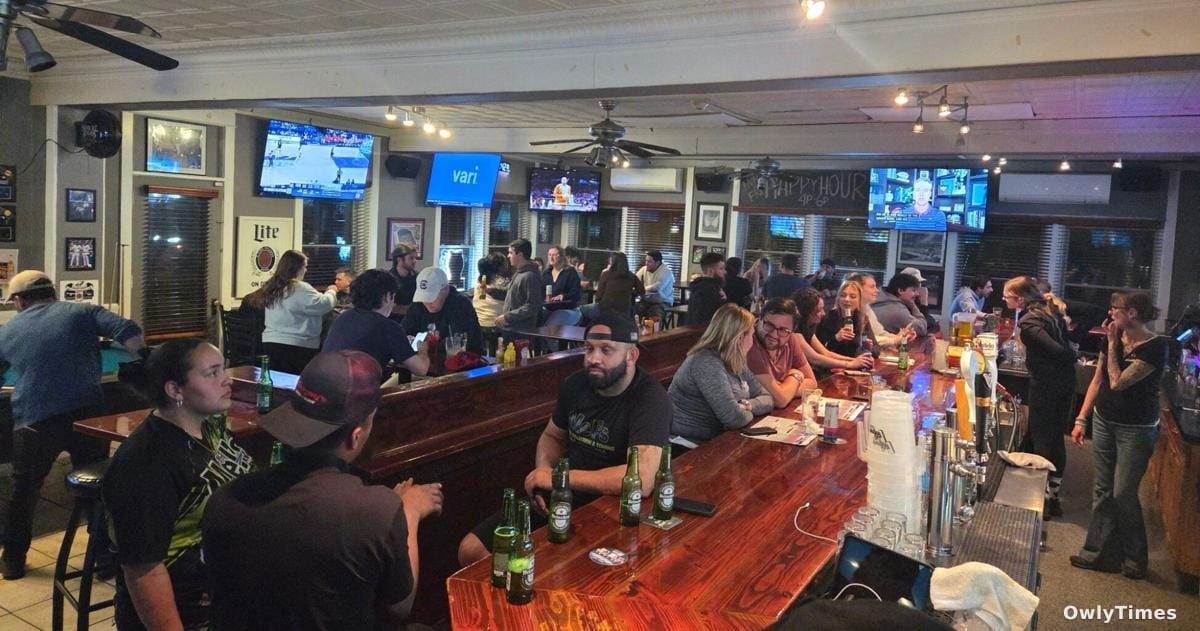

The chipped Formica of the bar, the scent of stale beer mingling with fryer oil, the roar of a game on twenty different screens – these are the ghosts that linger now on Broad Street in Emmaus. Volpe’s Sports Bar, a Lehigh Valley institution for nearly two decades in that location, quietly closed its doors on Saturday, leaving a hole not just in the local dining scene, but in the very fabric of community life. It wasn’t a bankruptcy, a scandal, or a dramatic falling out that shuttered the business; it was a reckoning with a changing landscape, a quiet acknowledgement that the old rules don’t apply anymore. And in that quiet surrender lies a story about more than just one bar – it’s a story about the evolving definition of “third place” in America, and what happens when tradition struggles to adapt.
A Family Legacy, Shifting Sands
The Volpe name is synonymous with hospitality in Allentown. Americo Volpe first opened a bar in 1941, a time when neighborhood taverns were the undisputed centers of social life. It morphed through iterations – Volpe’s West Side Lounge among them – before Robert Volpe took the helm in 1984 and solidified the “Volpe’s Sports Bar” identity. The Emmaus location, launched by Fran Volpe in 2008, was meant to extend that legacy, to replicate the winning formula of good food, cold beer, and a lively atmosphere. But Fran Volpe’s Facebook announcement reveals a crucial truth: the bar was “built as a drinking establishment,” and that model is increasingly unsustainable. While the Tilghman Street location continues to thrive, the Emmaus space couldn’t navigate the shifting preferences of a new generation. This isn’t simply about declining alcohol consumption; it’s about a broader cultural move away from spaces defined solely by drinking, towards places offering experiences, curated environments, and a sense of belonging that extends beyond a shared love of sports.
See the original wfmz.com story for the full account.
Beyond the Beer List: The Role of Community Hubs
Volpe’s wasn’t just serving cheesesteaks and draft beers. The outpouring of grief on the bar’s Facebook page – over 300 reactions and 70 comments within hours of the announcement – speaks to its role as a community anchor. Fran Volpe explicitly highlighted the bar’s support for local organizations, teams, and fundraisers. In a time when social connections are increasingly mediated by screens, places like Volpe’s provided a physical space for people to gather, to connect, and to contribute. This function is often undervalued in economic analyses, but it’s precisely what makes these businesses so vital. The closure isn’t just a loss for patrons; it’s a loss for the Little League teams Volpe’s sponsored, the local charities that benefited from their “dine and donate” nights, and the countless groups who found a convenient meeting spot. The economic impact of losing a small business is often quantifiable – lost tax revenue, unemployment – but the social cost is far more difficult to measure.
The Evolving Definition of "Third Place"
Sociologist Ray Oldenburg coined the term “third place” to describe spaces separate from home (“first place”) and work (“second place”) where people can gather and connect. Traditionally, these were bars, coffee shops, and community centers. But the rise of remote work, the proliferation of streaming services, and the increasing atomization of society have challenged the relevance of these traditional third places. Volpe’s attempt to offer both a “modern day cigar bar” harking back to a bygone era and a contemporary sports bar with 20 TVs illustrates this tension. It was trying to be all things to all people, but perhaps lacked a clear identity in a market saturated with options. The success of businesses like Topgolf, with its focus on interactive entertainment and social experiences, suggests that the future of “third place” lies in offering something more than just a seat and a drink. It requires active engagement, curated experiences, and a strong sense of community.
What’s Next for Broad Street – and Beyond?
Fran Volpe’s final message – that “some food business will do great at this location” – is telling. He anticipates a shift, a reimagining of the space to meet current demands. But will that new business prioritize community engagement in the same way Volpe’s did? Will it offer a space for spontaneous connection, or will it be another transactional experience? The fate of the Emmaus location is a microcosm of a larger trend. As more independent bars and restaurants struggle to survive, we need to ask ourselves what we’re losing beyond just a place to eat and drink. Are we willing to actively support businesses that prioritize community over profit? Are we prepared to create new “third places” that foster genuine connection in an increasingly fragmented world? The closing of Volpe’s Sports Bar isn’t just a local story; it’s a warning sign, and the industry – and our communities – need to pay attention.

