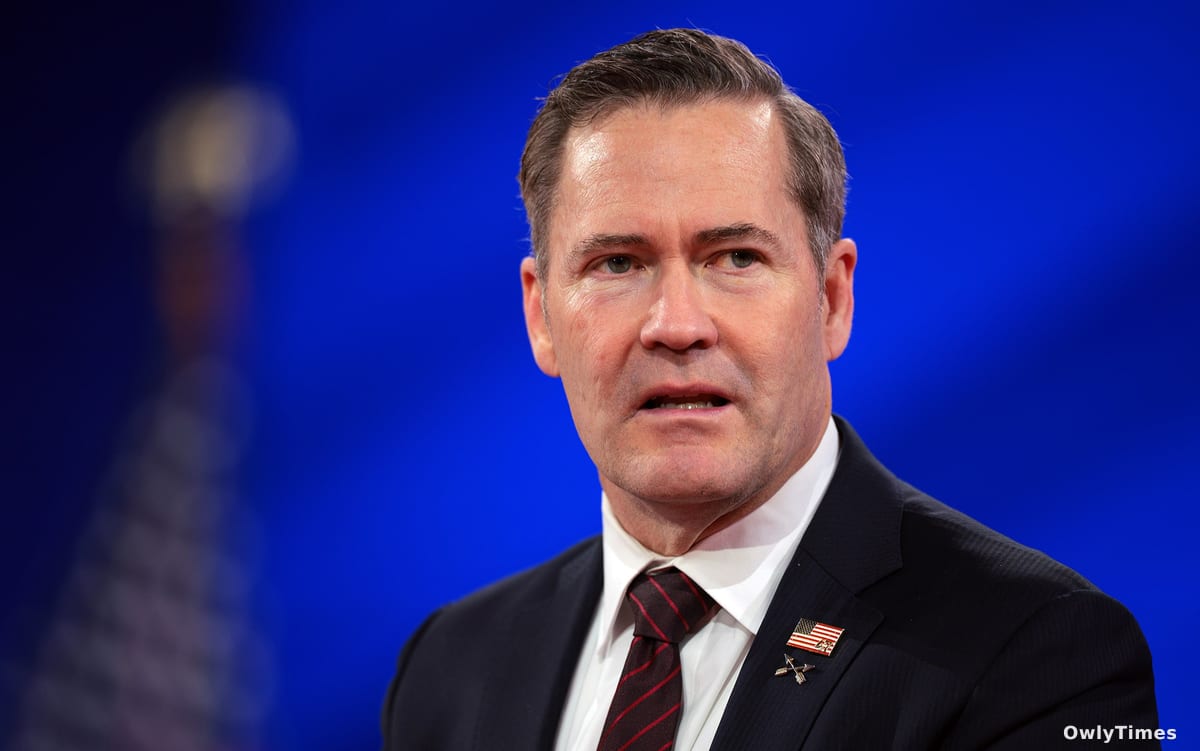

The studio lights glared, reflecting off the polished wood of the “Face the Nation” set as Margaret Brennan delivered the numbers. Fifty-seven percent of Americans believe the war in Iran is going badly. Sixty-three percent fear economic fallout. Sixty percent disapprove of military action. These weren’t the opening salvos of a public relations battle; they were a full-blown rout of public opinion, barely three weeks into a conflict few wanted in the first place. But the response from Mike Waltz, U.S. Ambassador to the United Nations and a veteran of the Donald Trump White House, wasn’t a defense of policy or a promise of better days. It was a dismissal of the very idea that public opinion mattered.
Waltz’s pivot – citing polls showing near-unanimous support among “MAGA Republicans” and “broader Republicans” – wasn’t a gaffe, it was a glimpse into a governing philosophy. It revealed a startlingly narrow view of American legitimacy, one where the concerns of anyone outside the president’s base are, at best, secondary. This isn’t simply about a politician downplaying unfavorable polls; it’s about a fundamental fracturing of the social contract, a tacit admission that the “whole people of the United States,” as Jamelle Bouie of The New York Times recently put it, no longer exist in the eyes of this administration. Bouie’s analysis, that Trump views Democratic-led states as enemies to be defeated rather than constituents to be served, found chilling confirmation in Waltz’s televised shrug.
The Unconventional Trajectory of Disapproval
The usual arc of wartime public opinion is well-documented. Initial rallies around the flag give way to skepticism as casualties mount and costs become clear. But the war in Iran has defied this pattern, launching from a position of widespread opposition and remaining stubbornly unpopular. The CBS News/YouGov poll, mirroring other recent surveys, isn’t an anomaly; it’s the norm. This isn’t a case of public opinion turning against the war, it’s a case of public opinion remaining against the war, even as the administration presses forward. Consider the historical context: even the deeply controversial Iraq War enjoyed significantly higher initial approval ratings – peaking around 75% in the immediate aftermath of the invasion in 2003, according to Pew Research Center data. The current situation represents a dramatic departure from that precedent, suggesting a profound disconnect between the White House and the electorate.
Based on the original ms.now report.
Beyond the Numbers: A Crisis of Legitimacy
The White House’s options, as outlined by observers, are limited and unappealing. They could attempt to spin the polls, claim they’ll improve with time, or even fabricate alternative data. But Waltz’s response suggests a different strategy: to simply ignore the majority. This isn’t just about political expediency; it’s about a deeper crisis of legitimacy. When a government openly dismisses the concerns of its citizens, it erodes the foundations of democratic governance. The 66% who view the conflict as a “war of choice” aren’t simply expressing dissatisfaction with the policy; they’re questioning the very justification for the war, and by extension, the authority of the president who initiated it. This isn’t a matter of persuading the public; it’s a matter of acknowledging their existence.
The Republican Echo Chamber and the Illusion of Support
Waltz’s reliance on polls demonstrating strong Republican support is a calculated move, designed to insulate the administration from criticism within its own party. The NBC poll he cited, showing 90% support among “broader Republicans,” provides a convenient shield against internal dissent. But this strategy relies on a dangerous illusion: the belief that the opinions of a partisan base are sufficient to justify a policy that the vast majority of Americans oppose. It’s a strategy that prioritizes loyalty over consensus, and it risks further alienating the electorate. The focus on “MAGA Republicans” isn’t about winning over hearts and minds; it’s about maintaining control within a shrinking circle of supporters.
What This Means for the Future of American Foreign Policy
The implications of this moment extend far beyond the immediate conflict in Iran. Donald Trump’s administration, through figures like Mike Waltz, is actively redefining the relationship between the government and the governed. By prioritizing the views of a select demographic over the concerns of the broader population, they are setting a dangerous precedent for future administrations. The question now isn’t just whether this war will succeed or fail, but whether American foreign policy will continue to be shaped by the whims of a partisan base, divorced from the realities of public opinion. As the midterm elections approach, will voters outside the GOP base be ignored, or will their voices finally be heard? The answer to that question will determine not only the fate of this administration, but the future of American democracy itself.





