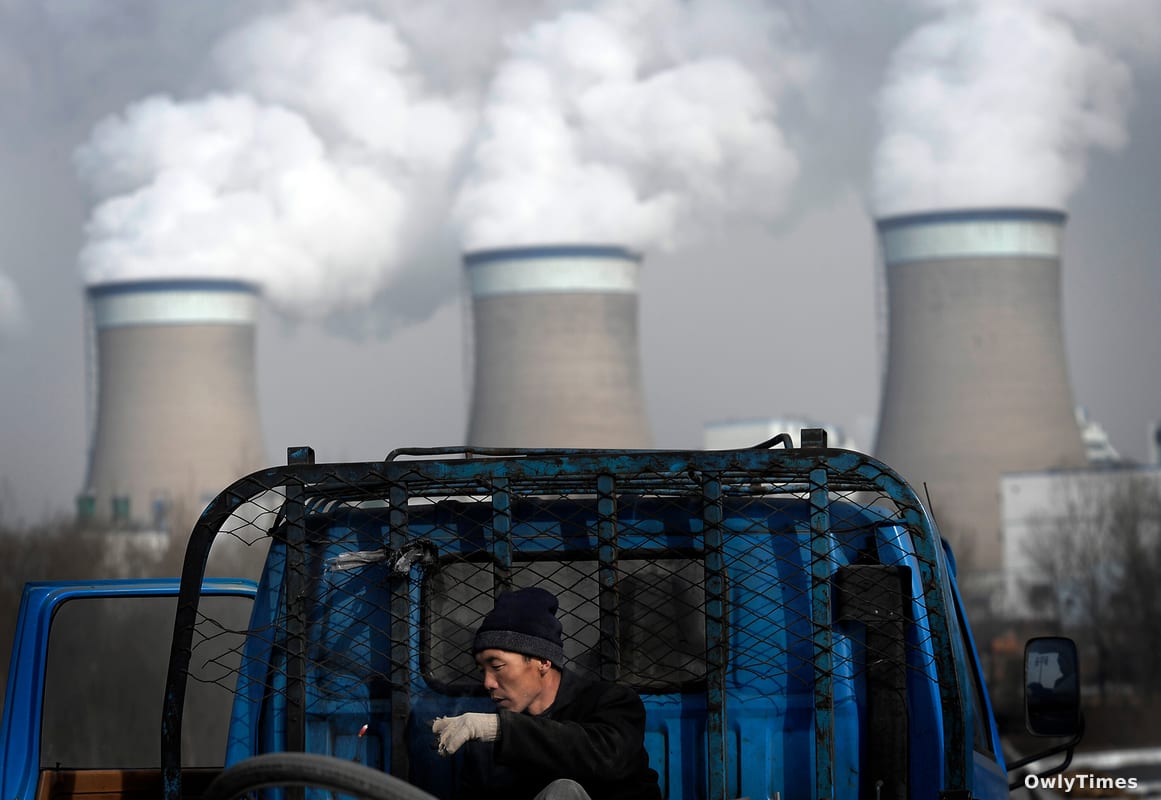

Is the energy transition already over? Before we declare renewables the inevitable future, a stark reality is unfolding across Asia: the Iran war isn’t just disrupting oil and gas shipments, it’s triggering a full-blown retreat to coal. The real story here isn’t the temporary price spike at the pump – it’s the fragility of energy security promises built on liquefied natural gas (LNG) and the enduring power of readily available, dirty coal. While Western nations tout LNG as a “bridge fuel,” Asia is discovering that bridge is built on sand, easily washed away by geopolitical instability.
The crisis, stemming from disruptions to trade through the Strait of Hormuz – handling roughly 20% of global oil and gas – has forced nations to scramble for alternatives. South Korea has already lifted caps on coal-fired electricity generation, a move unthinkable just months ago. India, bracing for a scorching summer and peak demand of 270 gigawatts (nearly double Spain’s entire production capacity), is ramping up coal consumption. Even Indonesia, the world’s largest coal exporter, is prioritizing domestic use, tightening regional supplies and driving up prices by 13% since the conflict began. This isn’t a temporary adjustment; it’s a systemic reversion.
Based on the original NPR report.
This isn’t simply about economics. It’s about a fundamental flaw in the energy transition narrative. The push for renewables, while laudable, hasn’t kept pace with demand, and the reliance on LNG as a stopgap has proven dangerously vulnerable. Sandeep Pai, an energy expert at Duke University, succinctly puts it: coal’s “wide availability in Asia makes it the default backup when renewables or gas fall short.” China, already the world’s largest consumer and producer, has been aggressively building new coal power capacity since 2021 specifically to bolster energy security – a strategy now looking remarkably prescient. The irony is thick: a nation simultaneously investing heavily in clean energy is also doubling down on the dirtiest fuel source.
The consequences extend far beyond energy markets. Increased coal consumption directly impacts public health. The World Health Organization links particulate matter from coal combustion to heart disease, stroke, and lung cancer. In India, where 1.4 billion people already breathe unsafe air, the government has even paused air quality regulations to allow restaurants to burn coal due to gas shortages. Lan Nguyen, a shopowner in Hanoi, captures the agonizing trade-off: acknowledging coal’s necessity for electricity while fearing for her asthmatic son’s health. This isn’t an abstract environmental concern; it’s a daily reality for billions.
But to paint this as a complete setback for climate goals would be simplistic. Julia Skorupska of the Powering Past Coal Alliance rightly calls this crisis a “warning,” highlighting the inherent risks of relying on fossil fuels. The situation also exposes the hypocrisy of nations like South Korea, which pledged to phase out coal by 2040 but is now making exceptions based on short-term needs. Over the past 11 years, South Korea has committed $127 billion to fossil fuels – thirteen times more than it spent on renewables. The problem isn’t just the immediate coal burn; it’s the precedent it sets, normalizing a return to outdated energy sources. Joojin Kim of Solutions for Our Climate fears these decisions could outlast the crisis itself.
The narrative pushed by coal advocates, like Michelle Manook of FutureCoal, that coal is essential to avoid even worse outcomes rings hollow when considering the long-term costs. While “diversity” in energy sources is a valid point, prioritizing a fuel source demonstrably harming both public health and the planet isn’t a solution, it’s a deferral of a much larger problem. The situation in Vietnam, forced to consider coal imports from the U.S. and Laos due to Indonesian supply uncertainties, illustrates the precariousness of relying on a volatile global coal market.
Here’s what to watch for: over the next six months, track the investment decisions made by Asian governments regarding energy infrastructure. Will the current crisis lead to a sustained increase in coal financing, effectively locking in decades of carbon emissions? Or will it serve as a catalyst for accelerated investment in renewable energy storage and grid modernization, finally addressing the underlying vulnerabilities that made this coal resurgence possible? The answer will determine whether Asia’s energy future is defined by a desperate scramble for fossil fuels, or a genuine commitment to a sustainable, secure energy transition.





