
The flicker of the projector has always been the heartbeat of the Dalian Wanda Group, but the screen is undergoing a structural renovation that transcends the films themselves. When Wanda Film officially transitioned its corporate identity to Ruyi Film Entertainment on April 19, it signaled more than just a boardroom shuffle; it marked the end of an era for the conglomerate founded by tycoon Wang Jianlin. For years, Wanda’s massive real estate empire defined the skyline of Chinese commerce, but as the company navigated a sweeping deleveraging campaign—culminating in the 2021 divestment of its majority stake in the U.S.-based AMC Theatres—the cinema arm was always destined for a new orbit.
A New Stakeholder in the Streaming Era
The shift in power was finalized in 2024, when Ke Liming of China Ruyi Holdings stepped in as the controlling stakeholder. This is a marriage of legacy exhibition and modern digital muscle; Ruyi is deeply embedded in the ecosystem of Tencent, the tech giant behind the omnipresent WeChat. By moving from the real estate-heavy Dalian Wanda structure into the arms of a company that thrives on online streaming and content production, the organization is effectively pivoting from a brick-and-mortar landlord model to a data-driven entertainment powerhouse.
The transition is already reflected on the Shenzhen Stock Exchange, where the firm has maintained a public listing since 2015. While the corporate entity has taken the Ruyi name, the leadership is wisely choosing to keep the Wanda brand for its physical theaters. It is a calculated hedge: the brand remains the most recognizable name in the country for cinema-goers, maintaining the trust of the masses while the back-end business model undergoes a radical redesign.
Redefining the Offline Experience
On April 20, Ruyi Film chairperson Chen Zhixi issued a company letter that laid bare the tension between traditional screening and the modern consumer’s appetite for experience. She acknowledged an urgent need to stay ahead of a volatile market, specifically by transforming the theater from a "pure screening venue" into a "diversified entertainment complex." This is a survivalist's pivot—moving away from the idea that a cinema is merely a place to watch a movie, and toward the concept of an integrated lifestyle destination.
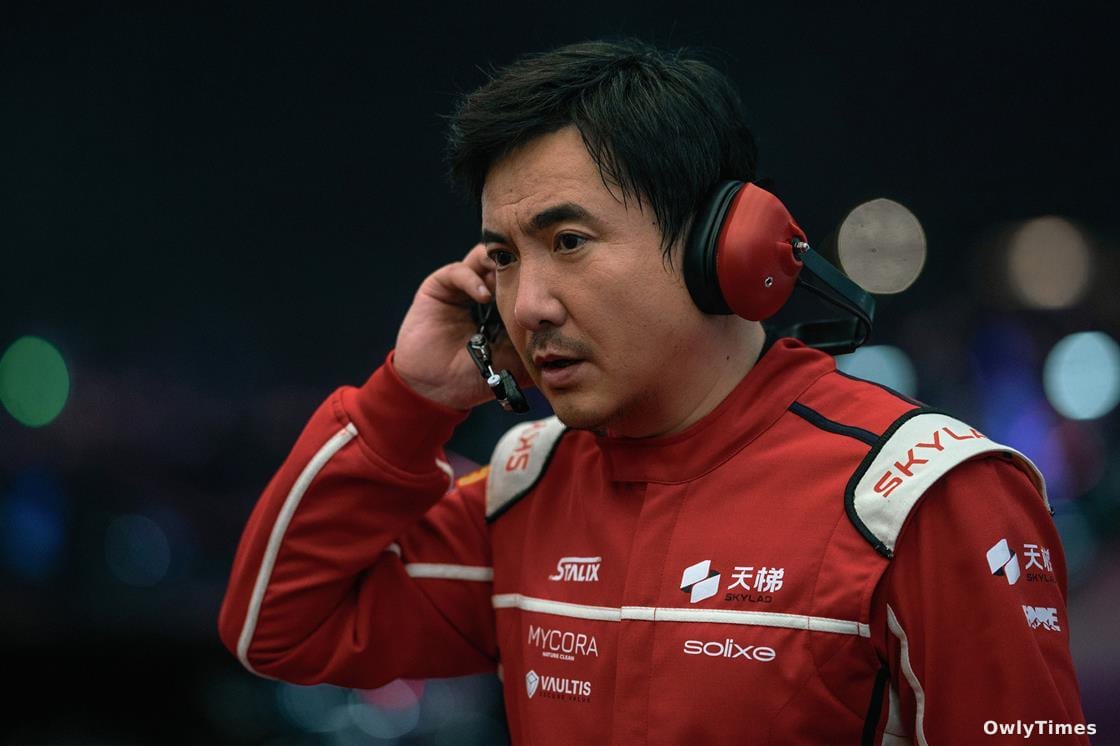
The metrics supporting this shift suggest the foundation is sturdy. The company currently operates more than 700 Wanda cinemas and boasts a track record of backing nearly 200 productions over the last two decades. During the most recent Chinese New Year, the company’s reach was undeniable, with six of its locations ranking among the top 10 highest-grossing cinemas nationwide. Furthermore, its co-investment and distribution of Pegasus 3 cemented its status as the highest-grossing film of that same period.
The Path to Profitability
The ambition to move beyond the traditional box office is backed by a clear financial mandate. The company letter projected a return to profitability for 2025, with a net profit target set between $70.4 million and $80.6 million. This forecast suggests that the integration of Ruyi’s streaming-centric strategies with Wanda’s massive physical footprint is already being modeled to capture higher margins.
As the industry celebrates recent creative successes—such as Ciao UFO sweeping five awards, including Best Film, at the 2026 Hong Kong Film Awards—the focus for Ruyi Film Entertainment remains tethered to its bottom line. The next reading of the company's net profit figures will show whether this pivot from real estate legacy to diversified digital-physical integration can deliver the growth that the post-deleveraging era demands.