
The red velvet curtains of the Chinese cinema industry are being pulled back to reveal a new script. For years, the name Wanda has been synonymous with the sprawling, blockbuster-sized ambitions of Wang Jianlin, the tycoon who built a real estate empire and eventually exported it to the silver screen. But as of April 19, that era has officially shifted into the archives. The entity formerly known as Wanda Film has rebranded as Ruyi Film Entertainment, signaling a fundamental pivot in how China’s largest exhibitor intends to survive the post-pandemic box office.
A New Hand on the Projector
The transition marks the final chapter of a divestment strategy that saw the Dalian Wanda Group systematically shed its crown jewels. Under the pressure of China’s broader deleveraging campaign, the conglomerate—once a titan of global exhibition—has retreated from its expansive footprint, including the 2021 sale of its majority stake in the U.S. cinema giant AMC Theatres. By 2024, the control of Wanda Film had passed to Ke Liming of China Ruyi Holdings, a company deeply entrenched in the digital-first DNA of the internet giant Tencent.
This is not merely a coat of paint on a lobby wall. The name change, which hit the Shenzhen Stock Exchange—where the company has been a fixture since 2015—represents the convergence of legacy physical infrastructure with the agile, data-driven world of streaming. While the "Wanda" brand remains on the marquee to maintain consumer trust, the engine driving the business has moved from real estate development to the high-stakes world of content production and digital distribution.
Diversifying Beyond the Popcorn
In a company letter released on April 20, chairperson Chen Zhixi articulated the urgency of this evolution. Her vision is a departure from the traditional model of the cinema as a sterile, pure screening venue. Instead, she is pushing to transform these spaces into diversified entertainment complexes, a necessity in a market where audiences are increasingly selective about why they leave their homes.
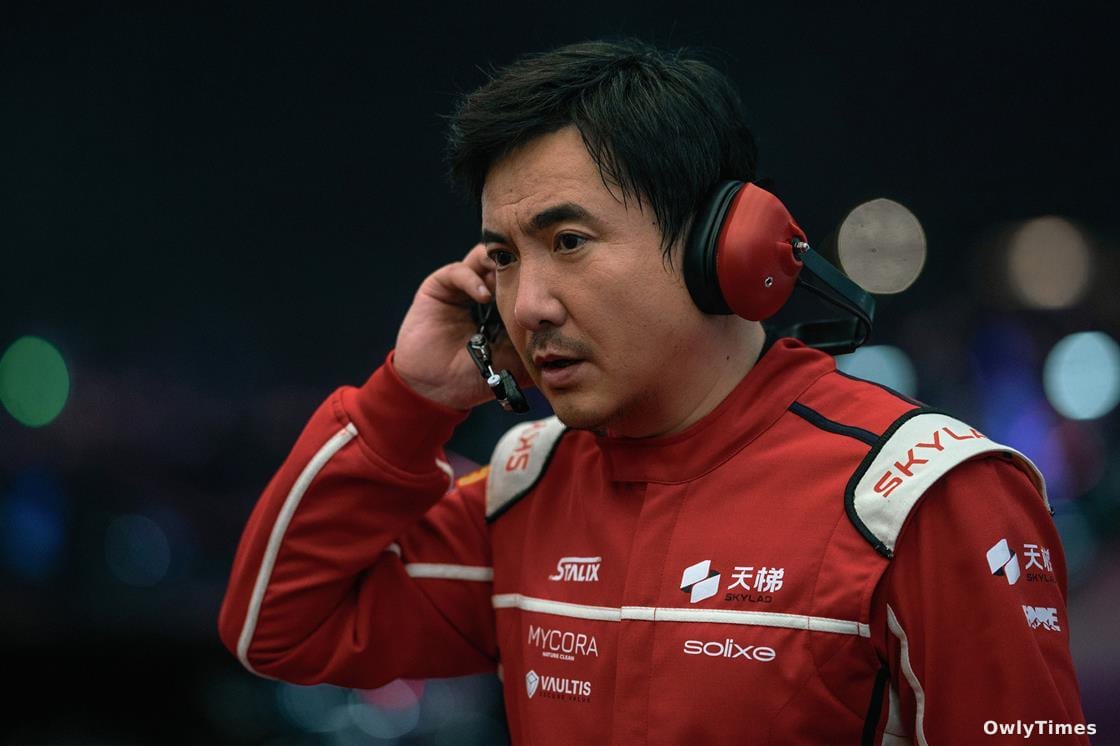
The numbers suggest that the foundation for this shift is robust. The company currently manages more than 700 Wanda cinemas and has a track record of backing nearly 200 productions over the last two decades. During the most recent Chinese New Year, the company’s influence was undeniable: six of the top 10 highest-grossing cinemas nationwide were Wanda locations. Furthermore, the company co-invested and co-distributed Pegasus 3, which claimed the title of the highest-grossing film during that same high-traffic period.
The Financial Horizon
The industry is watching closely to see if this marriage of Ruyi’s streaming pedigree and Wanda’s physical reach can stabilize the bottom line. The transition comes at a time of creative volatility, as evidenced by the recent results at the Hong Kong Film Awards 2026, where Ciao UFO dominated the field with five wins, including Best Film. This underscores the competitive nature of the market; success requires not just infrastructure, but the ability to capture the cultural zeitgeist.
For the company, the roadmap is now tied to a specific financial milestone. The internal forecasts detailed in Chen’s letter project a return to profitability for 2025, with a net profit target set between $70.4 million and $80.6 million. Whether this pivot into "diversified entertainment" can turn that forecast into reality will depend on the next reading of the company’s net profit figures, which will serve as the primary litmus test for whether the transition from real estate giant to integrated content powerhouse has successfully navigated the market’s changing tides.