
$3.2 Million in City Resources Faces Skepticism from West Seattle Businesses
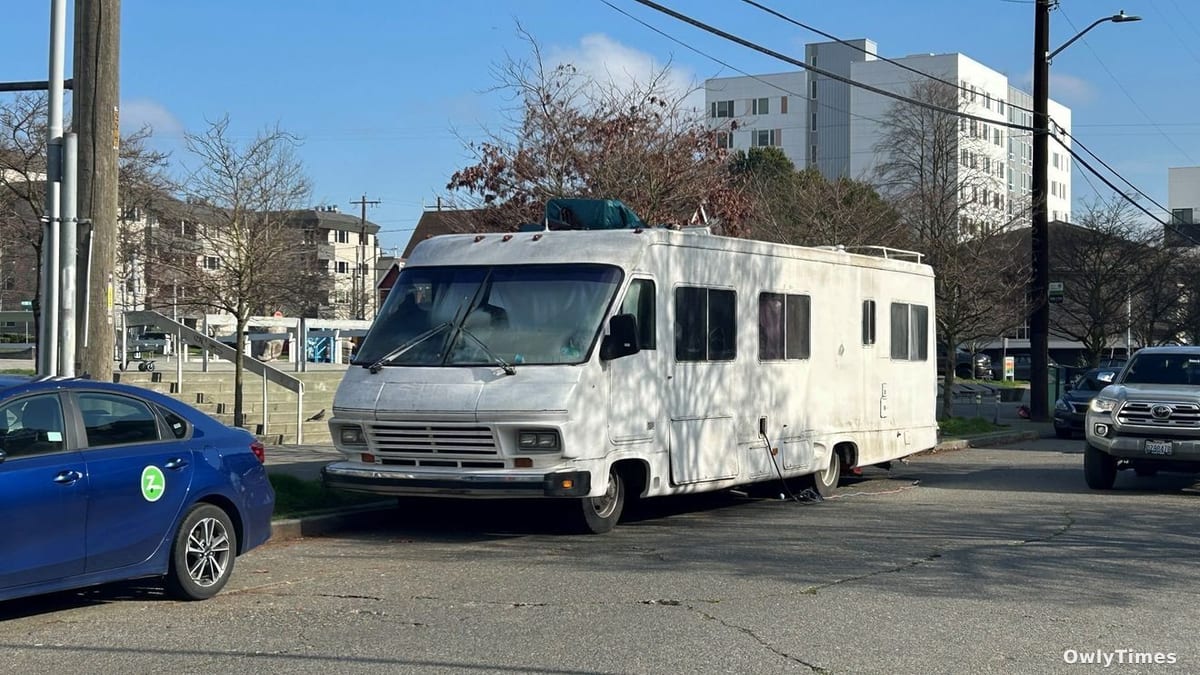
A 60% success rate in housing placement – the figure LIHI cites for its recently closed Salmon Bay Village RV safe lot – belies a deeper tension brewing in West Seattle. While city officials tout managed encampments as a key strategy to address homelessness, a proposal for a combined RV safe parking lot and tiny house village at the “Glassyards” site (7201 Second Ave SW) is meeting resistance from businesses already bearing the costs of an existing unsheltered population. The project, spearheaded by the Low Income Housing Institute, is slated to cost an estimated $3.2 million, encompassing land lease, construction, and two years of operational funding, according to city budget allocations. This figure, however, doesn’t account for potential increases in private security costs for neighboring businesses, a line item already impacting their bottom lines.
The Cost of “Good Neighbor” Promises
Businesses along West Marginal Way SW are quantifying their existing losses. Several owners report ongoing expenses for private security, directly attributable to theft and vandalism linked to nearby unsanctioned encampments. While Sharon Lee, Executive Director of LIHI, pledges 24/7 staff management and a strict code of conduct prohibiting criminal behavior, the businesses’ skepticism stems from a perceived lack of enforcement in the past. The financial impact isn’t merely theoretical; one business owner, who requested anonymity, estimated security costs at $15,000 annually – a figure representing roughly 3% of their gross revenue. This is particularly concerning for smaller businesses operating on thin margins. The promise of being “good neighbors” rings hollow when weighed against the demonstrable financial burden already shouldered by the local business community.
This article draws on reporting from komonews.com.
Infrastructure Deficiencies and the World Cup Deadline
The location itself is a point of contention. The Glassyards site, a former Washington State Department of Transportation property, is situated in an industrial corridor lacking basic amenities. Limited sidewalks, heavy truck traffic, and minimal public transportation – including a lack of nearby grocery stores – raise questions about the site’s suitability for a vulnerable population. This isn’t simply a matter of convenience; it’s a logistical challenge that could increase reliance on city services and potentially exacerbate existing problems. The urgency to open the site before Seattle hosts World Cup matches in June adds another layer of complexity. Rushing the project risks overlooking critical infrastructure needs and potentially creating a situation that benefits neither residents nor the surrounding businesses. The city’s stated goal of reducing unsanctioned encampments could backfire if the new site is perceived as inadequately supported.
Beyond Housing: The Demand for Enforcement and Accountability
The businesses aren’t simply opposing the project outright; they’re demanding concrete assurances. Their requests – a 1,000-yard buffer zone prohibiting new encampments, prompt removal of abandoned vehicles, and increased police patrols – represent a demand for accountability. These aren’t unreasonable requests, particularly given the city’s history of struggling to manage unsanctioned encampments. The current situation highlights a fundamental disconnect between the city’s housing-first approach and the practical realities faced by businesses operating in affected areas. LIHI’s previous experience at Salmon Bay Village, while demonstrating a 60% housing placement rate, doesn’t address the concerns of businesses facing immediate security and operational costs.
What This Means for Your Wallet
The West Seattle situation is a microcosm of a larger trend: the increasing financial burden placed on businesses to mitigate the consequences of social challenges. While the $3.2 million allocated to the Glassyards site represents a direct city investment, the indirect costs – increased security, lost revenue due to vandalism, and potential declines in foot traffic – are largely borne by the private sector. Investors should watch closely how Seattle manages this project. Will the city prioritize the concerns of local businesses alongside its housing goals? The outcome will set a precedent for future managed encampment proposals and could significantly impact the cost of doing business in Seattle. Consumers should also anticipate potential price increases at affected businesses as they attempt to absorb these additional costs. The question isn’t just whether this project will succeed in housing individuals, but whether it will do so without further eroding the economic vitality of West Seattle.





