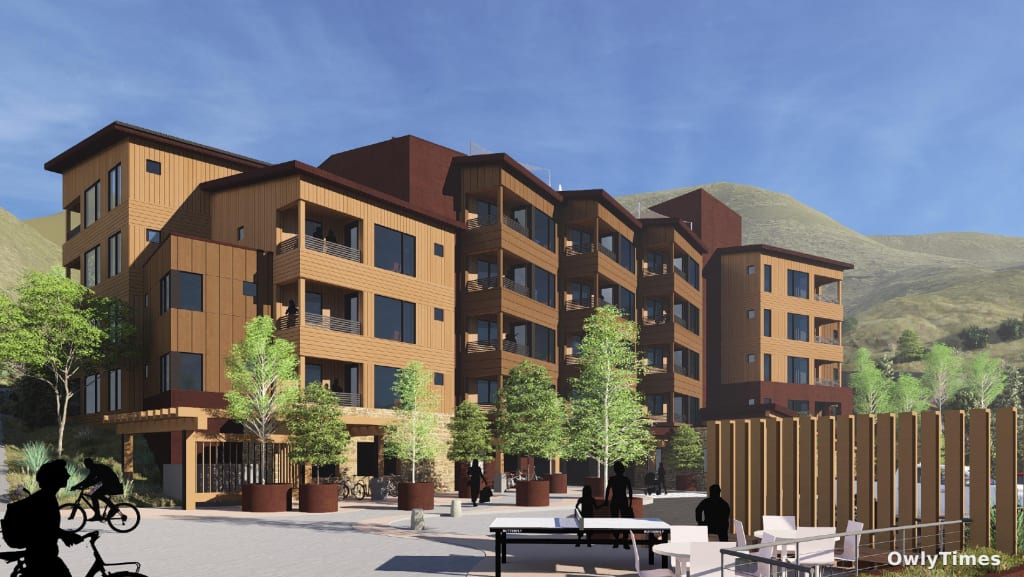

$86 million. That’s the upper limit of municipal bonds the town of Snowmass Village is prepared to issue to finance the Draw Site housing project – a figure now prompting a scramble for alternative funding sources and, potentially, a novel approach to local business inclusion. Housing Director Kevin Rayes presented the Town Council Monday with a proposal to create a dedicated business district, not as a commercial venture in itself, but as a mechanism to unlock capital from the private sector and offset the town’s debt burden. This isn’t simply about easing the town’s finances; it’s a calculated move to address a fundamental tension in resort town development: balancing the need for workforce housing with the economic realities of a tourism-dependent economy.
The core idea, as Rayes outlined, is to solicit upfront capital from businesses in exchange for priority access to the approximately 140 housing units planned for the Draw Site. Larger entities like Pitkin County and the Aspen School District are already in discussions to contribute funds for guaranteed units, effectively pre-purchasing housing for their employees. However, this model inherently favors those with deep pockets, potentially excluding the “mom and pop shops” that define Snowmass’s character. The proposed business district offers a workaround: a collective pooling of smaller contributions from locally-owned businesses, assessed as recurring fees, to generate a substantial sum. This pooled capital wouldn’t fund construction directly, but would instead be used to manage the project’s cash flow – reducing debt service or potentially subsidizing rental costs.
Follow the money, and the logic becomes clear. Every dollar raised through this district translates directly into a dollar less the town needs to borrow. Considering current interest rates, even a modest reduction in the $86 million bond issuance could save Snowmass taxpayers tens of thousands of dollars annually. However, the devil is in the details, specifically, defining “locally-owned and locally-serving.” Rayes himself acknowledged the complexity, referencing Aspen’s decade-long struggle to establish similar criteria. The risk isn’t just bureaucratic gridlock; it’s the potential for legal challenges and accusations of favoritism if the definition is perceived as arbitrary or unfair. This echoes a broader pattern in resort communities, where attempts to prioritize local needs often collide with the realities of a globalized economy.
The council’s initial reaction was cautiously optimistic, but underscored the definitional hurdle. Council Member Tom Fridstein questioned the necessity of a district altogether, suggesting a blanket invitation to all locally-owned businesses. Rayes countered that a dedicated entity would provide greater flexibility in fund management, while Council Member Susan Marolt acknowledged the compliance advantages of a structured district. The creation of a housing advisory board, slated for presentation to the council in the coming months, will be tasked with hammering out the specifics. This board’s workload extends beyond the business district, however. Concurrent with the district discussion, Rayes presented site plan modifications – reducing parking spaces from 103 to 95, adjusting stair placement, and enhancing the community recreation area – responding to earlier council feedback.
Drawn from aspentimes.com.
Yet, even these seemingly technical adjustments reveal underlying tensions. Council Member Cecily DeAngelo continued to express concerns about the environmental impact of the parking garage, while Britta Gustafson voiced anxieties about the project’s scale and visual impact on the surrounding landscape. These concerns aren’t merely aesthetic; they reflect a growing awareness of the environmental costs of development in a sensitive alpine environment. The council’s decision to solicit a peer review from an independent architect signals a willingness to address these concerns, but also highlights the potential for further delays and increased costs. What this means for your wallet: expect continued debate and potential revisions to the Draw Site project, impacting not only housing availability but also the long-term financial health of Snowmass Village. Investors and residents should watch closely for the composition and recommendations of the housing advisory board – specifically, whether they prioritize a clearly defined business district or a more inclusive, albeit potentially less lucrative, approach to private sector funding.





