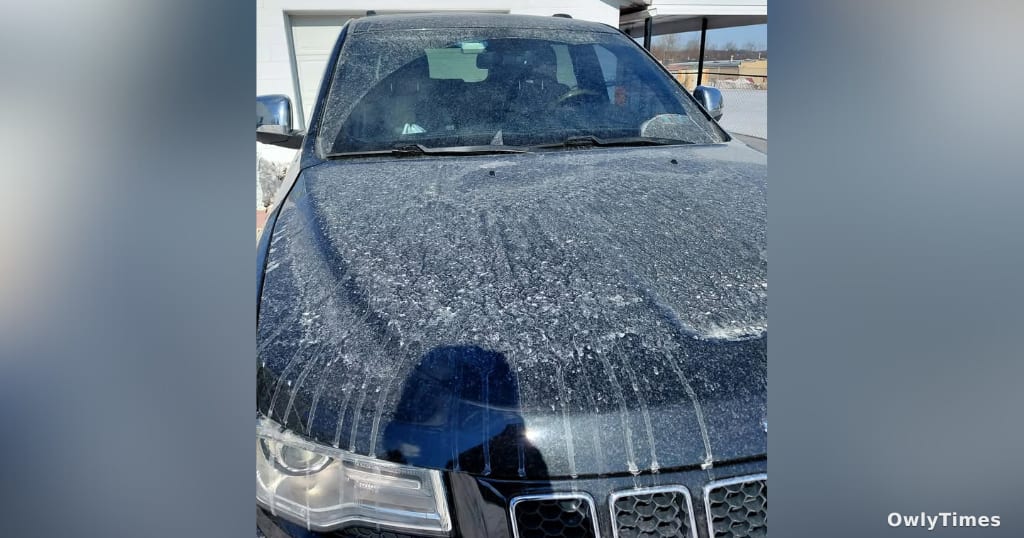

The persistent coating of dust settling over homes in a Westmoreland County neighborhood isn’t simply a nuisance; it’s a stark illustration of a regulatory gap where industrial convenience clashes with public health concerns. While headlines focus on residents battling a quarry, the deeper issue is the limited proactive assessment of air quality impacts before facilities like Derry Stone SMT’s new crushing operation are approved, and the subsequent delays in responding to documented complaints. The situation highlights a common tension: balancing economic development with the responsibility to protect communities from potential environmental hazards, a balance that currently appears tilted in favor of industry.
Residents Describe a Life Under Dust
Based on the original CBS News report.
For residents like Charlie Sherba of Derry Township, the problem began a few years ago with the opening of the expanded Derry Stone SMT facility. He describes a near-daily experience of dust accumulation so significant it changes the color of his cat, Jessie. “Basically, you get up one morning and it's like somebody just powdered everything with dust,” Sherba told CBS Pittsburgh. Neighbor Bill Feldbusch, living near Blairsville, echoes this concern, expressing a fundamental anxiety: “We don't know how hazardous the dust is for us.” This isn’t simply about aesthetics or cleaning; residents report breathing difficulties, prompting medical visits and lung X-rays. The core of their frustration is a feeling of powerlessness, of being left to cope with a problem created by a nearby industrial operation.
The Invisible Threat: Understanding the Health Risks
The dust isn’t a uniform substance. Derry Stone SMT’s website notes the material is “mostly sandstone with whitish grey color,” and the company touted a benefit of the new location – reduced fuel costs from shorter hauling distances. However, the composition of sandstone includes crystalline silica, a substance Dr. Bob Cohen, a professor at the University of Illinois’s School of Public Health, identifies as particularly dangerous. “Actually what we tell people is that the dust that you can't see is the stuff that's the most dangerous, because the smaller particles…is very hard to see with the naked eye,” Dr. Cohen explained. His experience treating miners with decades of silica exposure reveals the potential for “irreversible damage,” including lung disease and even the need for lung transplants. The critical point here is that the health consequences aren’t immediate or easily detectable, making preventative measures paramount.
Regulatory Response and Industry Claims
Derry Stone SMT, through its attorney Joseph Bucci, asserts full compliance with regulations and regular inspections. The company offered to meet with residents to discuss their concerns, a gesture that, while positive, doesn’t address the immediate issue of dust control. Residents report the quarry operated through the winter without functioning sprinklers, allegedly due to frozen water lines, a situation they documented via text messages. This raises questions about the rigor of inspections and the enforcement of permit requirements. The Pennsylvania Department of Environmental Protection (DEP) failed to respond to KDKA’s inquiries regarding potential violations and inspection records, citing the demands of budget hearings. This lack of timely response fuels resident distrust and underscores a systemic issue of prioritizing bureaucratic processes over community health.
Beyond Sandstone: The Broader Implications of Air Quality Oversight
The situation in Westmoreland County isn’t isolated. Across the country, communities near industrial facilities are grappling with similar concerns about air quality and potential health impacts. What distinguishes this case is the proactive voicing of concern before significant health issues manifest. Residents aren’t waiting for definitive diagnoses; they’re reporting symptoms and demanding action. Dr. Cohen emphasizes the severity of the risks, stating silica is a “human carcinogen.” This isn’t a speculative threat; it’s a scientifically established link. The residents’ suggested solutions – “dust screens” or “curtains” – are relatively low-cost interventions that could significantly mitigate the problem, yet they haven’t been implemented.
What Comes Next: Monitoring and Proactive Regulation
The next crucial step is independent air quality monitoring conducted by a neutral third party, not solely relying on self-reporting from Derry Stone SMT. This monitoring should specifically assess the levels of respirable crystalline silica in the air and compare them to established safety thresholds. Furthermore, the DEP needs to prioritize a thorough review of the quarry’s permit, focusing on dust suppression requirements and enforcement mechanisms. But beyond this specific case, the incident raises a broader question: should air quality impact assessments be required before the approval of new or expanded industrial facilities, rather than relying on reactive responses to community complaints? Residents in Westmoreland County, and communities nationwide, deserve a regulatory framework that prioritizes preventative public health measures, not simply compliance after the dust has already settled.