
Is anyone else exhausted by the performance of war? Because that’s what’s unfolding right now, not a sober assessment of geopolitical risk, but a carefully curated spectacle. The outrage over the White House’s recent video strategy – clips framing the conflict with Iran with gaming-style graphics and sound effects – isn’t about the content of the videos themselves, but about the blatant attempt to gamify a situation with potentially catastrophic consequences. The real story here isn’t the questionable aesthetics – it’s the normalization of a deeply unsettling trend: the increasing reliance on emotionally manipulative digital messaging to manufacture consent for military action.
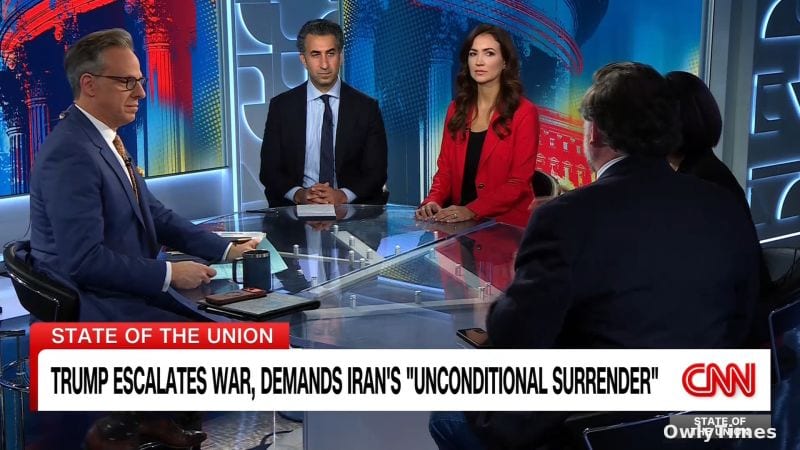
The initial reaction, as reported by CNN, was swift and critical. Rebecca Heinrichs, a panelist on the network’s coverage, didn’t mince words, calling the videos “kind of gross.” This wasn’t a critique from an anti-war activist, but from a foreign policy expert who understands the gravity of the situation. The discomfort stems from the inherent trivialization of human suffering when presented through the lens of entertainment. It’s a tactic borrowed directly from the playbook of social media marketing, where engagement trumps nuance, and virality is the ultimate goal. But this isn’t selling sneakers; it’s attempting to sell a war.
This article draws on reporting from CNN.
This isn’t new, of course. Governments have always used propaganda, but the speed and reach of digital platforms amplify the effect exponentially. Consider the context: these videos are circulating alongside reports of potential US responsibility for a school strike in Iran, as Senator Chris Murphy pointed out, calling such an event “unforgivable under any circumstances.” The dissonance is jarring. While officials offer assurances – Energy Secretary Chris Wright promising falling gas prices, for example – and deny plans to target Iran’s oil industry, the visual narrative being pushed suggests a very different reality. The public is being asked to process complex geopolitical events through the filter of a video game, a medium designed for escapism, not informed decision-making.
The danger isn’t simply that these videos are “gross,” as Heinrichs put it. It’s that they contribute to a broader erosion of critical thinking. When conflict is presented as a series of easily digestible, emotionally charged clips, it becomes harder to engage with the underlying complexities. This is particularly concerning given the existing polarization of the political landscape. Jake Tapper’s response to criticism of CNN’s coverage – “Get used to it” – highlights a troubling acceptance of this new normal. The media, too, is becoming complicit in the spectacle, prioritizing clicks and views over substantive analysis. The focus shifts from what is happening to how it’s being presented, and the public loses the ability to discern truth from manufactured reality.
The implications extend beyond foreign policy. This reliance on emotionally driven digital messaging is a symptom of a larger trend: the increasing use of technology to bypass rational discourse and appeal directly to primal instincts. We see it in political advertising, in the spread of misinformation, and even in the way we consume news. The result is a society increasingly susceptible to manipulation, where facts are secondary to feelings, and reasoned debate is replaced by tribal outrage. The fact that a GOP commentator is criticizing the White House’s tactics should be a wake-up call – this isn’t a partisan issue, it’s a threat to the foundations of informed democracy.
What happens next? Expect to see this tactic refined and deployed with increasing sophistication. The next conflict won’t just be covered like a video game; it will be designed like one, complete with personalized narratives, interactive elements, and a constant stream of emotionally manipulative content. The question isn’t whether governments will use these tools, but how effectively they will be able to exploit our vulnerabilities. And the real question for all of us is: how do we resist being played?





