
Resilience Workshops Signal $23 Million Revenue Loss for Appalachian Farms
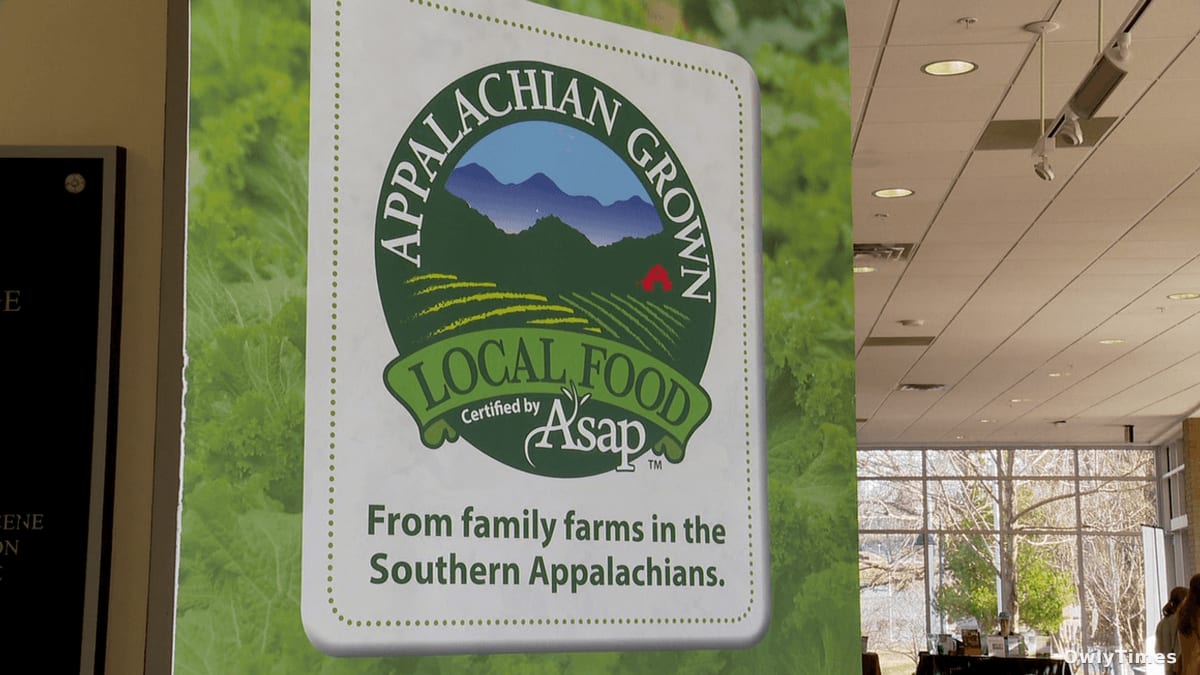
A staggering $23 million in lost revenue across the Appalachian farming region—that’s the quiet undercurrent beneath the Appalachian Sustainable Agriculture Project (ASAP)’s annual Business of Farming Conference, held February 28, 2026, at Asheville-Buncombe Technical Community College. While framed as a resource event for recovery, the conference’s very existence, and its focus on “pivoting” and “disaster planning,” reveals a deeper economic reality: farms aren’t simply recovering from Hurricane Helene’s 2025 damage, they’re actively bracing for a future where climate-related disruptions are the new normal. This isn’t a story about a single storm; it’s about a systemic vulnerability exposed by a $23 million hit to a regional economy heavily reliant on agricultural stability.
Aid Delays Compound Existing Financial Strain
The $23 million figure, calculated by ASAP based on reported losses from member farms, represents a 17% year-over-year decline in regional agricultural revenue, a dramatic shift from the 3% average annual growth seen between 2020-2024. Crucially, this loss isn’t solely attributable to crop destruction. Interviews with farmers indicate significant delays in receiving promised disaster relief funds exacerbated the financial strain. While federal aid was allocated, bureaucratic hurdles and processing times meant many farms faced critical cash flow shortages during the crucial replanting and rebuilding phase. This created a ripple effect, forcing some farmers to take out high-interest loans—further diminishing profitability—or, in the most severe cases, consider exiting the industry altogether. The situation highlights a critical disconnect between policy intention and on-the-ground impact.
This article draws on reporting from wlos.com.
Beyond Crop Insurance: The Rise of “Resilience Planning”
The workshops offered at the ASAP conference—focused on market diversification, disaster preparedness, and financial tools—aren’t simply best practices; they’re a direct response to the inadequacy of traditional risk mitigation strategies. Crop insurance, while helpful, often doesn’t cover the full scope of losses, particularly for diversified farms or those reliant on specialty crops. Sarah Hart, director of communications and engagement for ASAP, emphasized the need for proactive planning, stating, “Really learning how to pivot, learning how to find new market outlets, and really learned to plan for crises like this and all of that is covered in workshops…for market outlets planning for resilience, disaster planning.” This shift towards “resilience planning” represents a fundamental change in how Appalachian farmers are approaching their businesses, acknowledging that relying solely on reactive measures is no longer sufficient. It also suggests a growing distrust in the speed and effectiveness of external aid.
The Food Insecurity Link and Market Access Challenges
The economic fallout from Helene isn’t confined to the farm gate. The disruption to local food supply chains has directly impacted food security in Western North Carolina, a problem ASAP is also addressing through its market and home delivery programs. Reduced yields mean higher prices for consumers, and limited access to fresh produce for vulnerable populations. This creates a paradoxical situation: while farmers are struggling to survive, the very communities they serve are facing increased food insecurity. The focus on “new market outlets” at the conference isn’t just about farmer profitability; it’s about building more robust and localized food systems that can withstand future shocks. However, accessing these new markets—farmers markets, direct-to-consumer sales, institutional partnerships—requires investment in infrastructure, marketing, and logistics, resources many struggling farms simply don’t have.
What This Means for Your Wallet
The $23 million loss in Appalachian farm revenue isn’t an abstract economic statistic. Expect to see continued upward pressure on local food prices throughout 2026, particularly for produce grown in the region. More importantly, watch for the emergence of “resilience pricing”—a premium charged for locally sourced food that reflects the increased costs associated with climate-adaptive farming practices. Consumers will increasingly face a choice: support farms investing in long-term sustainability, or opt for cheaper, but potentially less resilient, food sources. The question now is whether consumer demand for locally sourced, sustainable food will be strong enough to offset the economic challenges facing Appalachian farmers and incentivize further investment in resilience planning.





