
$10.5 Million Hangs in the Balance: West Virginia’s Hope Scholarship Faces Funding Roadblock
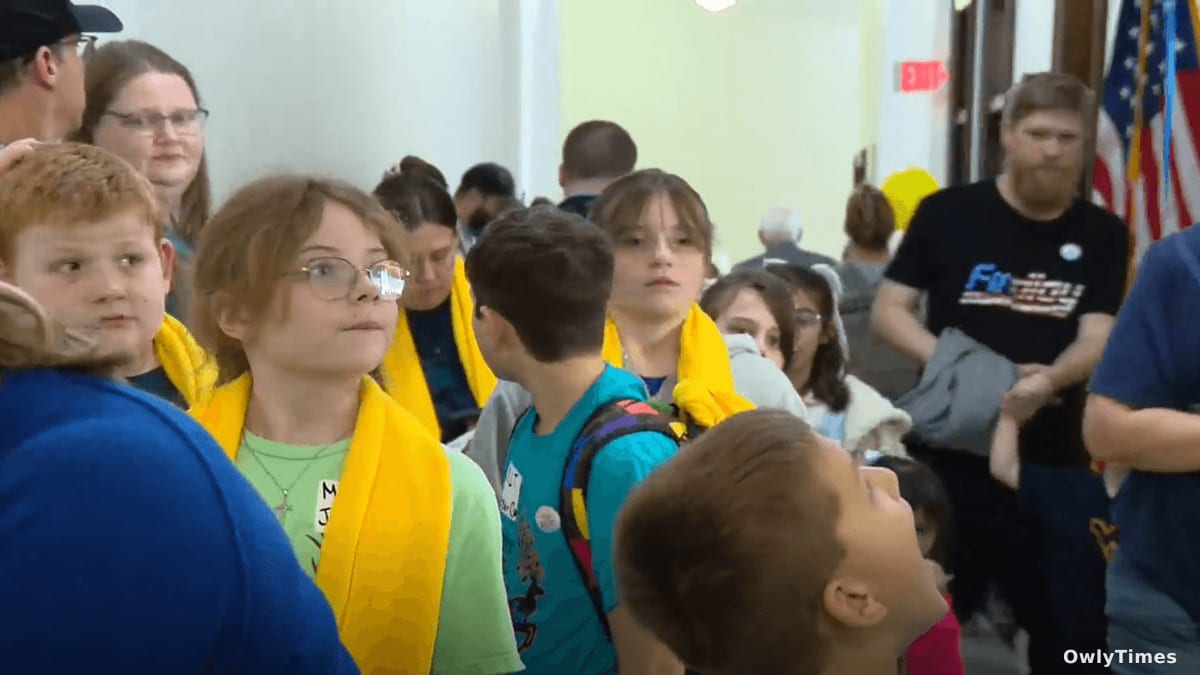
A doubling of participation – 10,500 students receiving funds in the last school year compared to the previous year – hasn’t translated into smooth sailing for West Virginia’s Hope Scholarship program. Friday’s abrupt removal of the scholarship from the House Finance Committee agenda signals a deeper fiscal anxiety than publicly acknowledged, and reveals a growing tension between the program’s stated goals and its long-term financial viability. The decision left parents like Jeanette Longwell, who traveled from Clarksburg with her family, feeling “frustrated and disappointed,” but the implications extend far beyond individual inconvenience.
The core issue isn’t necessarily opposition to school choice, but a looming budgetary cliff. Vernon Criss, R-Wood, Chair of the House Finance Committee, framed his decision to table the discussion as a need for “bumpers” – limitations and adjustments – to ensure the program’s sustainability. His comment, “If you don't start putting some bumpers in there…then you're going to have to recognize that there has to be some bumpers in there,” is a thinly veiled warning: without changes, the Hope Scholarship will eventually necessitate new taxes to maintain its current funding level. This is a politically fraught proposition in a state already grappling with economic challenges. Follow the money, and the path leads directly to the question of who ultimately bears the cost of expanded school choice.
Currently, the Hope Scholarship funds are drawn from state education dollars, effectively diverting resources from traditional public schools. The program allows K-12 students to use these funds for private school tuition, homeschooling expenses, and other approved educational costs. Longwell’s assertion that her family’s funds are “not spending this money on anything but our child's education” highlights the intended use of the scholarship, but doesn’t address the broader impact on the state’s overall education budget. The 113% year-over-year increase in scholarship recipients is unsustainable under the current funding model, particularly as the state’s general revenue collections remain volatile.
Drawn from wchstv.com.
Proposed adjustments, such as limiting funds to in-state schools or shifting to a quarterly payment schedule – supported by Margitta Mazzocchi, R-Logan – represent attempts to control costs and broaden the program’s appeal. A quarterly payment plan, while potentially easing the immediate financial strain, could also reduce the scholarship’s attractiveness to families who rely on the larger, twice-yearly disbursements for significant expenses like tuition payments. The debate over “bumpers” isn’t simply about fiscal responsibility; it’s about fundamentally reshaping the program’s structure and potentially limiting access for some families. The fact that Criss cited a need to “gather information” after a previous hearing suggests a lack of consensus within the House, and a deliberate strategy to delay a potentially divisive vote.
What this means for your wallet: West Virginia residents should watch closely for the specific “bumpers” proposed in the coming weeks. The outcome will determine not only the future of the Hope Scholarship, but also the allocation of state education funds and the potential for future tax increases. Specifically, monitor whether lawmakers prioritize limiting scholarship amounts, restricting eligible expenses, or exploring new revenue streams to support the program. The next House Finance Committee agenda will be a critical indicator of whether the program is headed towards a sustainable future, or a politically charged showdown over funding priorities.




