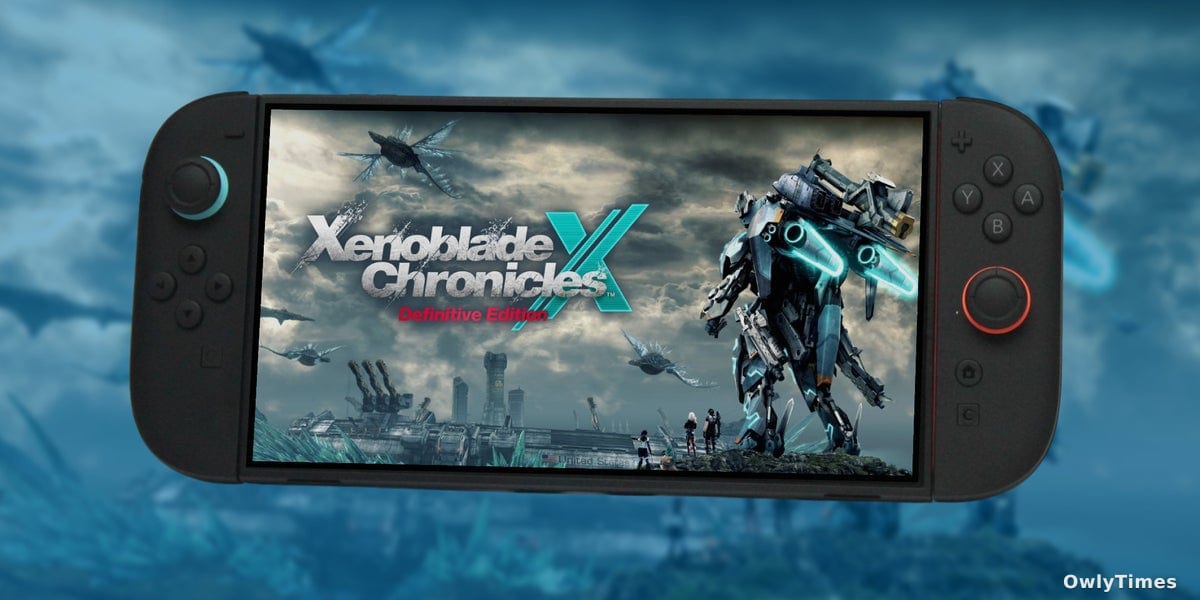

Is Nintendo selling us a mirage? The rollout of Switch 2 “enhanced editions” feels less like a next-gen leap and more like a carefully calibrated extraction of value from existing customers. The sudden arrival of Xenoblade Chronicles X: Definitive Edition – Nintendo Switch 2 Edition – alongside upgrades for Zelda: Breath of the Wild and Super Mario Odyssey – isn’t about generosity; it’s about testing the waters for how much players will pay for incremental improvements. The real story here isn't the technical upgrades themselves – it's Nintendo’s evolving strategy for monetizing the transition to new hardware, and what that means for the future of game ownership.
The £4 Question: What Are You Really Paying For?
Let’s be blunt: £4.19/$4.99 for an upgrade that primarily delivers resolution and frame rate bumps feels…cheeky. Nintendo promises 4K resolution (up to 60fps) in TV mode and 1080p (again, up to 60fps) in handheld. These are significant improvements, especially for a sprawling RPG like Xenoblade Chronicles X, but they aren’t revolutionary. Consider that the original Xenoblade Chronicles X on the Wii U, released in 2015, was already visually ambitious for its time. This isn’t a complete overhaul; it’s a polish. The fact that Eurogamer awarded the Definitive Edition four stars last year suggests the core game was already compelling, meaning the upgrade is primarily targeting those who want a smoother, sharper experience. But is that worth five bucks? The inconsistency in pricing – some upgrades are free, others cost a few pounds, and some, like potential future updates with substantial content, will likely be pricier – creates a frustrating lack of transparency.
Drawn from eurogamer.net.
The Physical Edition Paradox: Red Plastic and Recurring Costs
The announcement of a physical Switch 2 edition of Xenoblade Chronicles X, arriving April 16th, adds another layer of complexity. For collectors, it’s appealing. For everyone else, it’s a reminder that even in a digital age, Nintendo is banking on the continued appeal of physical media – and the markup that comes with it. This isn’t about preserving gaming history; it’s about maximizing revenue streams. The physical edition will inevitably cost more than the digital upgrade, even though it contains the same enhanced content. This highlights a core tension: Nintendo wants to encourage digital purchases, but also wants to capitalize on the enduring demand for physical copies, effectively double-dipping on its fanbase.
Monolith Soft’s Legacy and Nintendo’s Calculations
Xenoblade Chronicles X holds a special place in the hearts of RPG fans. Developed by Monolith Soft, the game is known for its vast open world, complex story, and unique mecha combat. Eurogamer’s review last year acknowledged that while the Definitive Edition wasn’t perfect, it successfully revived a “fascinating and enthralling” experience. Nintendo clearly recognizes the game’s enduring appeal, and is leveraging that to drive Switch 2 adoption. But the choice to upgrade Xenoblade Chronicles X – a title that already received a “Definitive Edition” relatively recently – before tackling other, more anticipated sequels like Xenoblade Chronicles 2 feels strategic. It’s a low-risk way to gauge consumer appetite for these incremental upgrades and refine their pricing model.
Beyond Resolution: The Future of “Enhanced Editions”
This isn’t just about Xenoblade. Nintendo is establishing a precedent. Expect more Switch 1 titles to receive similar “enhanced” editions on the Switch 2, each with a carefully calculated price tag. The question isn’t if this will happen, but how Nintendo will respond to player feedback. Will they offer more substantial content alongside the technical upgrades? Will they adopt a more consistent pricing structure? Or will they continue to test the limits of consumer patience? My prediction: Nintendo will initially double down on the current strategy, releasing a wave of modestly upgraded titles at similar price points. However, if backlash intensifies – and it will, if they don’t offer more value – they’ll be forced to introduce a tiered system, with free resolution bumps for less demanding games and more expensive upgrades for titles with significant new content. Watch closely for the Metroid Prime remasters. If those arrive on Switch 2 with a similar £4 price tag, all bets are off.