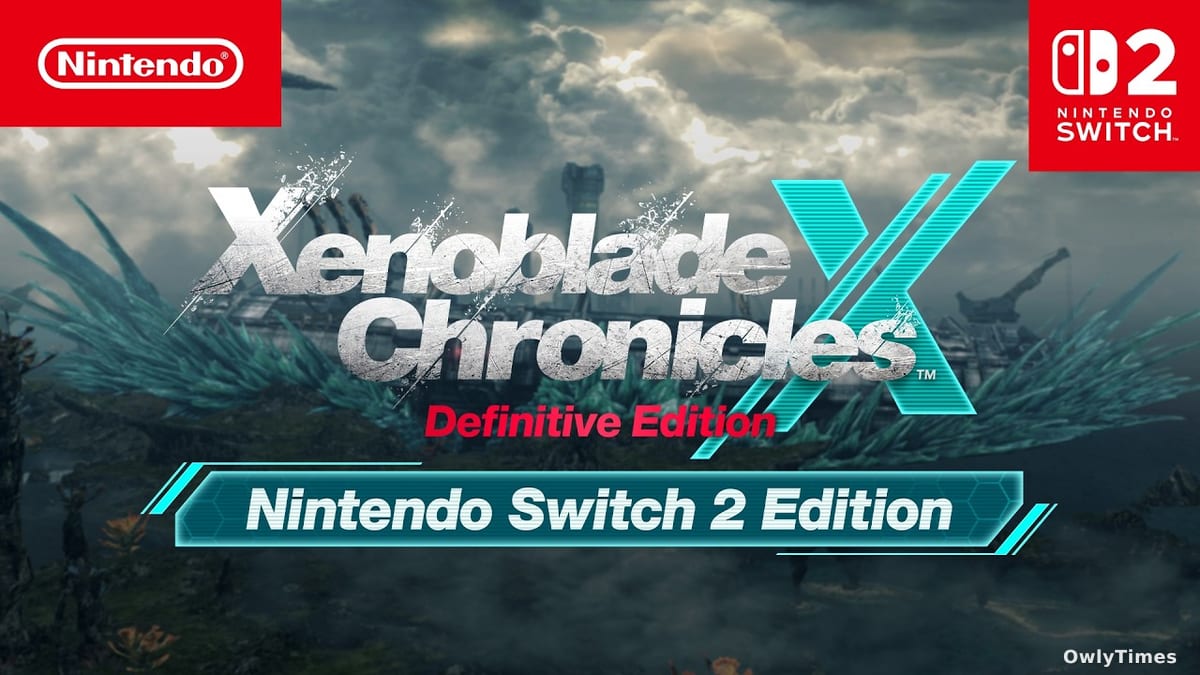

The neon glow of New Los Angeles flickers, but not quite as intended. Players logging into the newly released Xenoblade Chronicles X: Definitive Edition on the Nintendo Switch 2 are finding a city shimmering with an unexpected, and unwelcome, visual artifact. It’s a strange debut for a title heralded as a showcase for the new console, and a stark reminder that even in the polished world of gaming, first impressions aren’t always flawless. The launch, announced and executed with unusual speed this week, has ignited a debate not about whether Xenoblade is good – the original was a beloved Wii U title – but about what players are willing to sacrifice for performance.
The Promise of 60 Frames, and the Price of Mira
Nintendo promised up to 60 frames per second for Xenoblade Chronicles X, and for the most part, delivers. Exploring the vast landscapes of Mira, or engaging in the game’s signature real-time combat, generally hits that target. But the cracks appear in densely populated areas like New Los Angeles, where the frame rate dips slightly, and more disturbingly, a “shimmery/wobbly effect” on textures becomes apparent. Gaming news outlet GVG first highlighted the issue, sharing clips that quickly spread across social media, sparking a wave of scrutiny. The effect, more pronounced in handheld mode but visible even when docked, suggests a potential problem with upscaling – the process of rendering a lower-resolution image at a higher resolution. This isn’t simply a matter of graphical preference; it’s a question of fidelity. Xenoblade Chronicles X was already a visually ambitious game for the Wii U, and the expectation was a substantial upgrade, not a trade-off.
Reporting from nintendoeverything.com informs this analysis.
A Generational Shift, and Shifting Expectations
This launch feels particularly significant because it’s happening at a pivotal moment for Nintendo. The Switch, released in 2017, enjoyed unprecedented success, selling over 139 million units as of December 2023 – a figure that dwarfs its competitors. But that success came with hardware limitations. The Switch 2, while details remain scarce, is widely expected to address those limitations, offering a significant leap in processing power. The immediate digital release of Xenoblade Chronicles X feels like a test case, a way for Nintendo to gauge player reaction and potentially address issues before a wider physical release. It’s a bold move, but one that carries risk. The gaming landscape has changed dramatically in the last seven years. Players are more discerning, more vocal, and more accustomed to the visual fidelity offered by competing consoles like the PlayStation 5 and Xbox Series X.
Beyond the Headlines: The Cost of Speed
The speed of this release is also raising eyebrows. Typically, “Definitive Editions” undergo a more extensive period of polish and optimization. Launching the game digitally, simultaneously with the announcement, suggests Nintendo was eager to get Xenoblade Chronicles X into players’ hands, perhaps to demonstrate the Switch 2’s capabilities. But that haste may have come at a cost. The question now isn’t just whether the visual issues can be fixed with a patch – though many fans are hopeful – but whether this signals a broader trend. Will Nintendo prioritize speed to market over meticulous refinement, particularly in the early stages of the Switch 2’s lifecycle? The company has historically favored unique gameplay experiences over raw graphical power, but the pressure to compete in a visually driven market is undeniable.
What Does This Mean for the Future of Nintendo’s Flagship?
The mixed reception to Xenoblade Chronicles X: Definitive Edition isn’t a disaster, but it’s a cautionary tale. It highlights the delicate balance between performance and visual quality, and the importance of managing player expectations. Nintendo has built its reputation on innovation and fun, but in the age of hyper-realistic graphics, those qualities alone may not be enough. The coming weeks will be crucial. Will Nintendo release a patch addressing the texture issues? More importantly, will they learn from this experience and adjust their approach to future Switch 2 releases? The future of Nintendo’s flagship console, and its ability to attract a wider audience, may depend on it. We’re watching to see if this is a temporary stumble, or a sign of a more fundamental shift in Nintendo’s development philosophy.