
Is your operating system a tool for your work, or is it a billboard for features you never asked for? If you’ve spent the last year battling buggy updates, sluggish menus, and a desktop environment that feels more like an AI-powered sales pitch than a functional workspace, you aren't alone. The tech industry has spent the better part of a decade obsessed with "agility"—the speed at which a company can cram new, often half-baked code into your machine.
The real story here isn’t that Microsoft is finally listening to its critics—it’s that the company is admitting its entire development culture has been running on the wrong engine. A report from Windows Central details an internal initiative dubbed "Windows K2," a project that aims to hit the reset button on how the world’s most ubiquitous operating system is built.
Shifting From Speed to Substance
For years, the mandate in Redmond was to ship fast and fix later. K2 represents a fundamental pivot away from this breakneck pace, focusing instead on three pillars: performance, craft, and reliability. This isn't a new version of Windows you can download next week; it is a structural overhaul of the company's standard operating procedures.
By prioritizing quality over pure development velocity, Microsoft is signaling that the era of bloated, feature-stuffed updates might finally be drawing to a close. Users should expect a change in cadence: fewer updates and fewer flashy additions, with a much heavier emphasis on stability. To get there, the team is leaning on Insider feedback, user telemetry analytics, and customer focus groups to dictate what actually makes it into the final build.
The SteamOS Benchmark
Perhaps the most surprising admission in this internal shift is the target Microsoft has set for itself: SteamOS. The K2 team is explicitly chasing the performance standards of this Linux-based gaming OS, aiming to match its efficiency within the next year or two. It’s a rare moment of humility for a giant to look at a niche, gaming-focused rival and decide that, in terms of pure foundational performance, they are the ones who need to catch up.
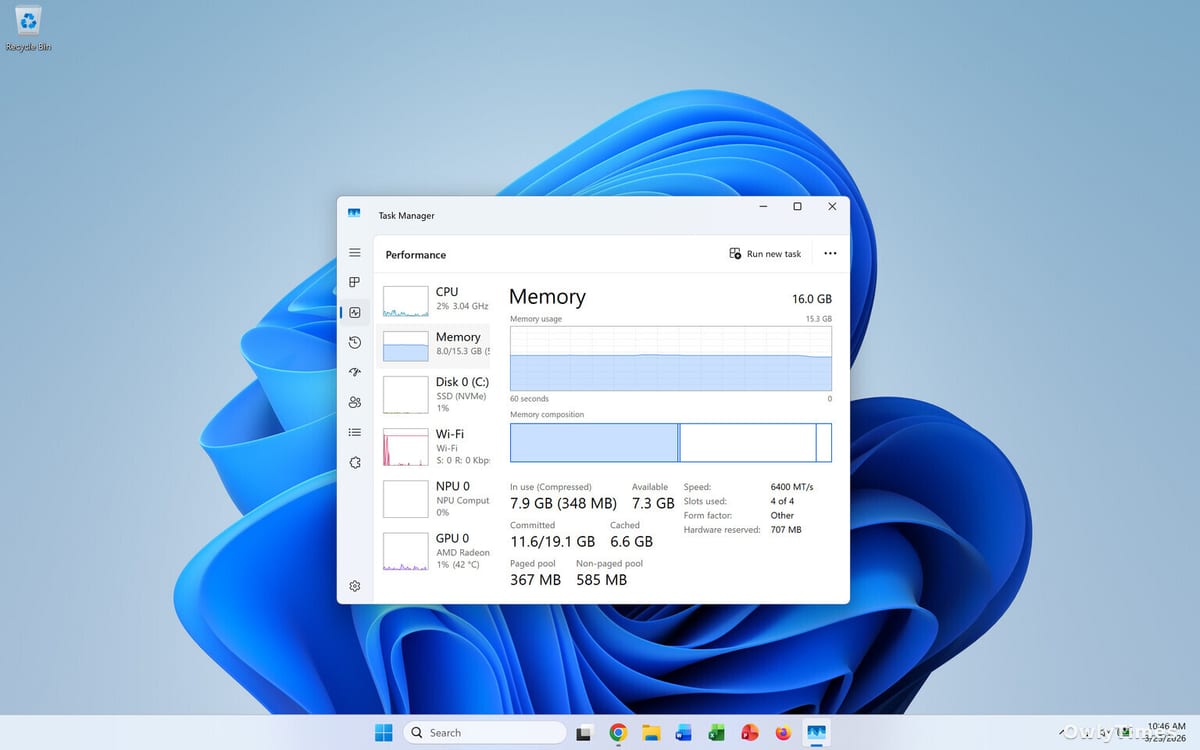
The scope of the cleanup is extensive. The team is targeting the File explorer for significant overhauls to navigation, search, and file processing speeds. They are also taking aim at the notoriously frustrating Windows Update process, with the goal of reaching a state where the system only requires a single reboot per month. This shift toward seamlessness extends to resource management, with plans to slash idle memory usage and system bloat that has plagued Windows 11 for users on aging hardware.
The Compositor as the New Baseline
One of the most concrete metrics of this "craft" initiative involves the WinUI 3 System Compositor. This piece of underlying technology is at the heart of the effort to make the OS feel snappy again. Current internal testing shows that the Start menu should launch 60% faster under this new compositor. While a percentage point might seem like a dry statistic to an engineer, for an ordinary user, it represents the difference between a machine that feels like an extension of your intent and one that feels like a hurdle.
Microsoft is positioning K2 not as a temporary patch, but as a permanent, long-term philosophy for steering Windows development. There is no set end-date for the project, suggesting that the company is bracing for a multi-year slog to win back user trust. The next reading of system resource metrics and the real-world stability of incoming updates will show whether this "quality-first" shift is actually taking hold or if the momentum of legacy bloat is simply too heavy to stop.