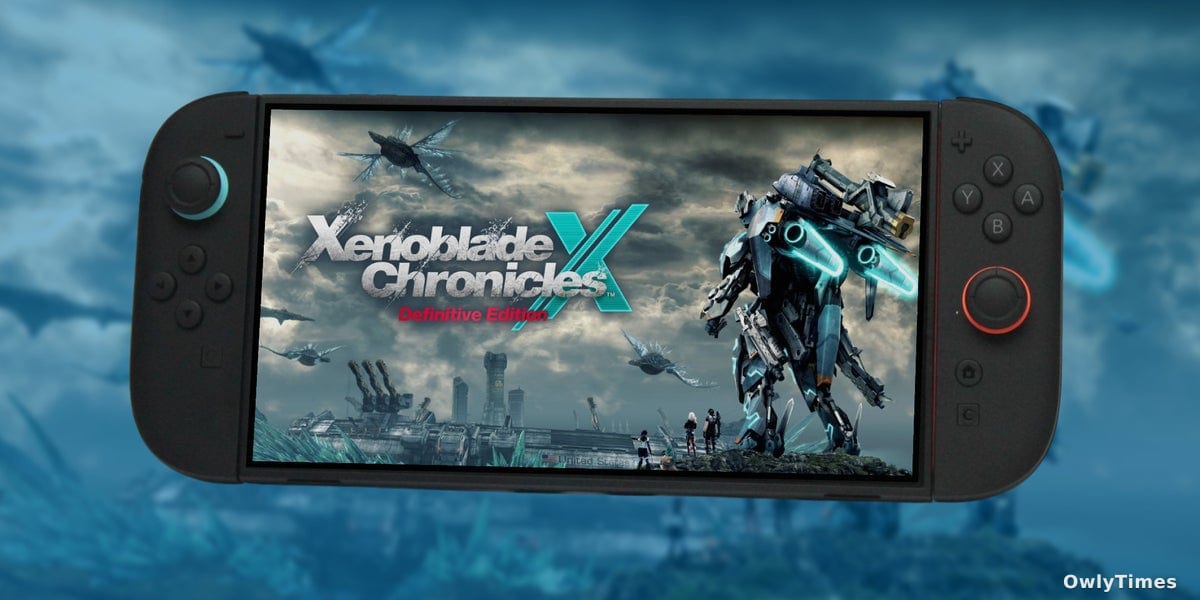

The flickering screen, once a portal to a vast alien world, now feels…wrong. That’s the sentiment echoing across online forums as players of Xenoblade Chronicles X: Definitive Edition on the new Switch 2 discover the $4.99 upgrade isn’t the visual leap they anticipated. Instead of crisp 4K textures and a smooth 60fps, many are reporting a muddier, less appealing image than the original Wii U version – even one running through emulation. And, surprisingly, Nintendo is reportedly issuing refunds, a move that speaks volumes about the current state of “enhanced” gaming and the power of a vocal fanbase. This isn’t just about a disappointing patch; it’s a crack in the carefully constructed facade of seamless upgrades and a potent reminder that resolution isn’t everything.
The Upgrade That Downgraded Expectations
The rollout of Switch 2 “definitive editions” – offering visual improvements to existing titles for a small fee – was initially met with cautious optimism. Super Mario Odyssey and The Legend of Zelda: Breath of the Wild received similar treatments, promising 4K support in TV mode and 1080p in handheld. The idea was simple: breathe new life into beloved games without requiring a full remake. But Xenoblade Chronicles X has become a cautionary tale. Players like tamodolo on Reddit are detailing how the upgrade introduces a blurry, over-filtered aesthetic, with long-range textures appearing particularly degraded. “Image quality seems sharper, but after a while, the image starts to grow over my perception and just turns bad,” tamodolo explained, adding that the Wii U version running through the Cemu emulator actually looks better in 4K. This isn’t a fringe opinion; the complaints are widespread enough to trigger a response from Nintendo, a company notoriously protective of its digital storefront.
Based on the original eurogamer.net report.
A Refund Policy Bend and the Power of Collective Disappointment
What’s truly remarkable isn’t just the visual issues, but Nintendo’s willingness to issue refunds for a digital purchase. The company typically maintains a strict “no refunds” policy for digital games, making this reversal a significant departure. Tamodolo initially contacted Nintendo support, explaining the downgrade in visual quality, and was surprised to receive a refund after a mere 90-second analysis from the support team. Encouraging others to do the same, tamodolo’s post quickly gained traction, with numerous players confirming successful refund requests. “Did the same thing, talked to chat support for like five minutes, and got a refund,” one commenter wrote. “Told them pretty much the same thing, the upgrade makes the game look worse.” This isn’t a case of isolated complaints; it’s a coordinated effort leveraging collective disappointment to force a response. The fact that Nintendo buckled so quickly suggests they recognized the potential for a PR disaster.
Beyond the Pixels: The Shifting Landscape of Game “Enhancements”
This situation highlights a growing tension within the gaming industry. The push for “definitive editions” and incremental upgrades feels increasingly opportunistic, especially when the results fall short of expectations. The $4.99 price tag might seem insignificant, but it represents a commitment to quality that Nintendo demonstrably failed to deliver. It also raises questions about the development process. Were these upgrades rushed to capitalize on the Switch 2 launch? Was sufficient testing conducted? The incident underscores the limitations of simply boosting resolution without addressing underlying graphical issues. A higher number doesn’t automatically equate to a better experience, and in this case, it actively detracted from it. Eurogamer’s four-star review of the original Xenoblade Chronicles X last year, praising its “fascinating and enthralling” world, feels like a distant memory in light of these complaints.
What This Means for the Future of Upgrades
The Xenoblade Chronicles X debacle isn’t just a Nintendo problem; it’s a warning sign for the entire industry. As we move further into a generation of iterative console upgrades, the pressure to deliver meaningful enhancements will only increase. Players are becoming more discerning, and they’re no longer willing to accept superficial improvements at a premium price. The willingness of Nintendo to issue refunds, driven by player outcry, sets a precedent. It signals that companies can’t simply rely on brand loyalty or low price points to mask subpar quality. The question now is: will other developers and publishers take note? Will we see a renewed focus on genuine graphical improvements, or will we continue to see rushed, underwhelming “definitive editions” that ultimately disappoint? The future of game upgrades hinges on whether companies prioritize quality over quick profits, and the Xenoblade Chronicles X saga is a stark reminder of what happens when they don’t.