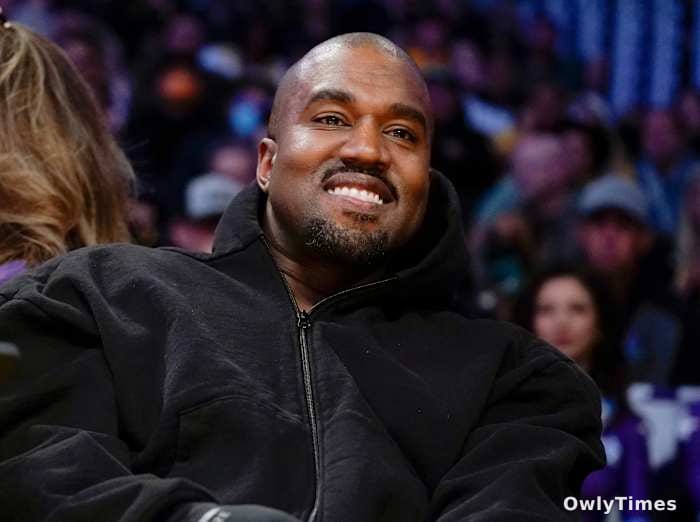

The bass throbbed, a physical force against your chest, as 70,000 voices at SoFi Stadium roared back the opening bars of “Stronger.” But the energy wasn’t just about the music; it was about defiance, about a collective decision to compartmentalize, to separate the art from the artist. Kanye West, now sometimes reverting to his original name, wasn’t just performing a concert on Friday night – he was staging a carefully constructed act of rehabilitation, and a surprisingly large crowd was willing to play along. Eleven months after releasing a song titled “Heil Hitler,” and just two months after a public apology for antisemitism, the question wasn’t whether Ye could still fill a stadium, but whether he could be forgiven enough to do so.
The Price of Separation: Fans and the Forgiveness Economy
The sheer scale of the comeback is striking. In 2022, after a series of escalating controversies, Ye lost nearly all his major business partnerships – Adidas, Gap, Balenciaga – a financial blow estimated in the billions. His music was pulled from streaming services, and his public persona became synonymous with hate speech. Now, two sold-out nights at SoFi Stadium, complete with a dazzling stage show featuring a rotating Earth and a guest appearance from Lauryn Hill, represent a remarkable reversal. But it’s a reversal built on a precarious foundation: the willingness of fans to actively disengage from the context surrounding the music. As fan Yovani Contreras put it, “I don’t really bring into politics or the way someone’s personal opinion are. I’m into the music artistry… Like, I just, to me, Ye is always gonna be Ye.” This isn’t a unique phenomenon – we’ve seen it with Roman Polanski, Woody Allen, and countless others – but the speed and completeness of the attempted rehabilitation, given the severity of Ye’s statements, is particularly jarring. It speaks to a broader cultural trend: the increasing pressure to separate artistic merit from personal failings, and the often-unequal application of forgiveness.
Reporting from click2houston.com informs this analysis.
Lauryn Hill’s Complicated Signal
The appearance of Lauryn Hill was arguably the most talked-about moment of the night. Performing “All Falls Down” with Ye for the first time ever, and then launching into her own classics, felt like a tacit endorsement, a passing of the torch from one musical icon to another. But it’s a complicated signal. Hill herself has been a figure of controversy, known for her reclusiveness and unpredictable behavior. Her decision to share the stage with Ye, after his documented hate speech, raises questions about the boundaries of artistic collaboration and the responsibility of artists to use their platforms to condemn bigotry. While the performance itself was energetic and well-received, it inadvertently legitimized Ye’s return, offering a veneer of respectability to a figure who has actively courted controversy. The fact that Ye reportedly left the stage during her solo set, while not necessarily disrespectful, added another layer of ambiguity to the moment.
Beyond the Apology: Medication and the Narrative Control
Ye’s January apology letter, and subsequent claims of taking medication for bipolar disorder, have been central to the narrative of his comeback. Fan Luis Velasquez explicitly cited the apology and the mention of medication as reasons for his willingness to return to supporting Ye’s music. “Yeah he did apologize,” Velasquez said. “He’s taking the medication I think is what he mentioned… For me as a fan that’s, like, respect, right? Like I think that’s cool enough to bridge that gap.” This highlights a disturbing trend: the expectation that mental health struggles can serve as a justification, or even an absolution, for harmful behavior. While acknowledging and addressing mental health is crucial, it shouldn’t be used to deflect accountability for hateful rhetoric. The framing of Ye’s situation – apology + medication = redemption – feels overly simplistic and potentially dangerous, minimizing the impact of his words and actions on the communities he harmed. It also allows Ye to regain control of the narrative, positioning himself as a vulnerable figure deserving of compassion, rather than as someone who actively propagated hate.
The Future of Cancel Culture and Artistic Accountability
The success of Ye’s comeback isn’t just a story about one artist; it’s a bellwether for the future of “cancel culture” and artistic accountability. The fact that 80,000 people were willing to pay to see him perform, despite his recent history, suggests that the appetite for his music remains strong, and that many fans are willing to prioritize entertainment over ethical considerations. This raises a critical question: at what point does the severity of an artist’s actions outweigh the value of their art? Will other artists who have faced similar controversies attempt to follow Ye’s playbook, relying on apologies and claims of personal struggles to rehabilitate their image? And, perhaps more importantly, will the industry continue to reward such behavior, or will it begin to prioritize ethical considerations over profit? The coming months will reveal whether Ye’s comeback is an anomaly, or the beginning of a new era where artistic redemption is readily available, regardless of the cost.