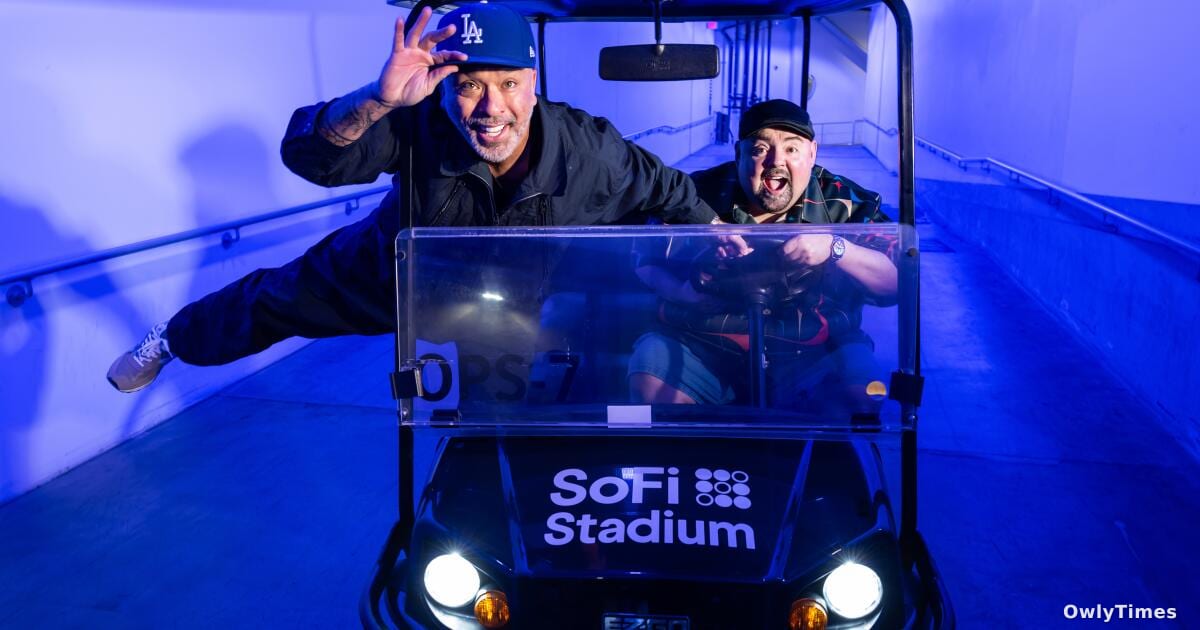

The emerald field at SoFi Stadium, usually reserved for multi-million dollar athletes and roaring crowds, felt impossibly vast as Jo Koy launched a spiral to his son, Joseph Jr., during a recent afternoon practice. It’s a scene most Angelenos can only dream of – running free within the walls of the stadium – but for Koy and his longtime friend Gabriel Iglesias, it’s a warm-up, a playful prelude to a moment that feels decades in the making. This isn’t just about two comedians headlining a show; it’s about a seismic shift in the landscape of stand-up, a moment that reflects how comedy is no longer content to exist in the shadows of Hollywood, but is demanding its place on the biggest stages.
The sheer scale of the March 21st performance – a stadium show for over 70,000 people – is rewriting the rules. Nearly 70% of tickets sold within days, eclipsing previous stadium stand-up records and solidifying this as the “Super Bowl of comedy.” But beyond the impressive numbers, this event speaks to a fundamental change in how audiences consume entertainment, and how comedians are building empires that extend far beyond the traditional club circuit. It’s a testament to the power of direct connection, of building a fanbase through years of relentless touring and, crucially, representing communities often overlooked by mainstream entertainment. Tiffany Haddish, a longtime friend to both comics, put it succinctly: “To be honest I never thought comedy would be this big.”
See the original the Los Angeles Times story for the full account.
For Koy and Iglesias, the journey to SoFi wasn’t paved with overnight success. It’s a story of 60 combined years grinding through open mics, casinos, and small clubs, a relentless pursuit of laughter fueled by a desire to connect with audiences on a deeply personal level. Jay Leno, who gave Koy his first late-night break on “The Tonight Show,” observed that they “didn’t do it the traditional way, they got to where they are as comedians, one audience member at a time.” This grassroots approach, honed in the diverse comedy scene of Los Angeles, is precisely what resonates with their massive followings, particularly within the Filipino and Latinx communities that have been instrumental to their success. The speed at which tickets sold isn’t just marketing; it’s a statement of support, a collective “bragging right” for fans who have championed them from the beginning.
The logistical hurdles of staging a show of this magnitude are staggering. The production and stage will be three times the size of their usual setups, managed by the same team behind stadium concerts for acts like Los Bukis and Bad Bunny. Initially, even Iglesias, who previously sold out Dodger Stadium twice for his Netflix special “Stadium Fluffy,” felt overwhelmed. “SoFi is the size of like five Forums,” Koy admitted, recalling the daunting sight of the venue’s seating chart. The financial risk was immense, requiring a significant investment even before a single ticket was sold. It took considerable persuasion from Iglesias to convince a hesitant Koy to take the leap, a testament to their enduring friendship and shared ambition. This wasn’t just about filling seats; it was about proving that comedy could command the same level of spectacle and scale as any major concert or sporting event.
But the success of this show isn’t just about Koy and Iglesias’ individual achievements. It’s a signal to the entire comedy industry. For decades, stand-up has been perceived as a stepping stone to film and television, a proving ground for aspiring actors and writers. Now, comedians are building sustainable careers solely on the strength of their live performances, bypassing traditional Hollywood gatekeepers and forging direct relationships with their fans. This shift is empowering a new generation of comics, allowing them to control their narratives and build audiences on their own terms. The question now is: will other comedians follow suit, pushing the boundaries of what’s possible in live entertainment, or will this remain a unique feat achieved by two comics who dared to dream bigger? The industry will be watching closely to see if SoFi Stadium truly marks a new ceiling for comedy, or simply a spectacular, one-time exception.