
The increasing prevalence of heart disease in younger adults—those in their 20s, 30s, and 40s—is not simply a matter of heightened awareness, but a demonstrable shift in the landscape of cardiovascular health. While headlines often focus on individual stories of unexpected diagnoses, the underlying trend demands a closer look at the interplay between genetic predisposition and evolving lifestyle factors. It’s not enough to say “heart disease is happening to younger people”; we need to understand why this is occurring now, and what distinguishes this generation’s experience from previous ones.
For decades, heart disease was largely considered a condition of aging. Ochsner Health physicians, however, are reporting a significant rise in serious cardiac conditions among individuals who, by traditional metrics, should be at minimal risk. This isn’t merely a statistical blip. Ellen Pino, a Baton Rouge business owner and competitive tennis player, embodies this shift. In October 2022, at just 35 years old, Pino experienced episodes of a racing heart during tennis practice, reaching over 200 beats per minute as measured by her Apple Watch. Her resting heart rate also consistently exceeded 100 bpm, despite a lifestyle characterized by regular exercise, a healthy diet, and abstinence from smoking and excessive alcohol consumption. “It didn’t make any sense,” Pino recounted, “I’m active and healthy… It was scary, and I knew something was wrong from the first time it happened.”
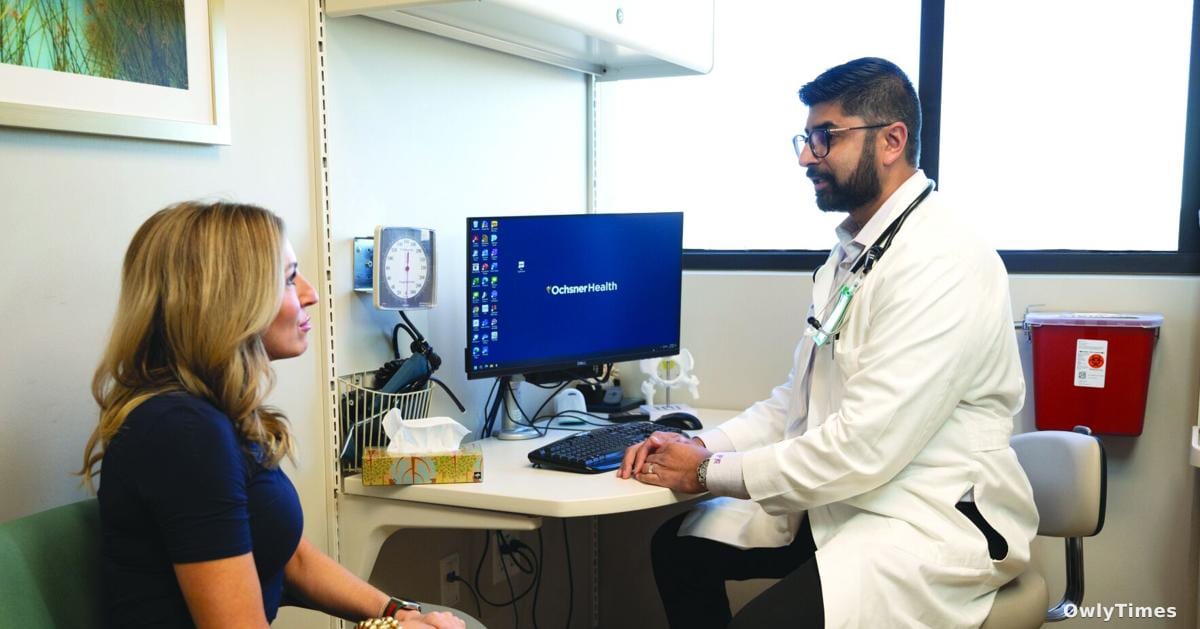
Pino’s case led her to Pavan Malur, MD, a cardiologist at Ochsner Medical Complex – The Grove. Dr. Malur’s immediate use of a 24/7 heart monitor confirmed a diagnosis of supraventricular tachycardia (SVT), a rhythm disorder. The significance of this diagnosis lies not just in its treatment—which, in Pino’s case, involved a successful catheter ablation procedure performed by Michael Bernard, MD, at Ochsner Medical Center - New Orleans—but in its implications for a broader population. Untreated SVT can weaken the heart, increasing the risk of stroke, heart failure, and even sudden cardiac arrest. Dr. Malur emphasized that while modern interventions are often effective, early detection is crucial.
Based on the original NOLA.com report.
The story of Ellen Pino is increasingly common, and it’s being amplified by the very technology designed to track wellness. Dr. Malur notes a surge in patients identifying irregularities through smartwatches and fitness trackers, devices that are becoming more accurate and reliable with each iteration. However, this reliance on technology presents a paradox. While these devices can flag potential issues, they cannot replace comprehensive wellness visits with trained physicians. The data they provide is a starting point for conversation, not a definitive diagnosis.
The broader demographic shift, as highlighted by Samy A. Abdelghani, MD, cardiologist at John Ochsner Heart and Vascular Institute – Slidell, is particularly noticeable in individuals with obesity, sedentary lifestyles, and a family history of early heart disease. Dr. Abdelghani points to the earlier onset of high blood pressure, abnormal cholesterol, and insulin resistance—often coupled with weight gain, low activity, poor sleep, and high stress—as key contributing factors. Common symptoms, such as chest pain, shortness of breath, and dizziness, can be subtle, underscoring the importance of regular primary care. Reshma A. Bhanushali, MD, a primary care specialist at Ochsner Lafayette General Internal Medicine, stresses the need for routine blood pressure and blood sugar measurements, as well as accurate assessments of weight and BMI during typical appointments.
The interplay between genetics and lifestyle is a central tension in this emerging trend. While genetic predisposition plays a role, Dr. Abdelghani emphasizes that lifestyle choices can significantly mitigate risk, even in individuals with unfavorable genetic profiles. A Mediterranean-style diet, regular exercise combining aerobic activity and strength training, consistent sleep, and avoidance of tobacco are all powerful tools in preventative cardiology. This isn’t about eliminating risk entirely, but about optimizing health and delaying the onset of disease. Up to 80% of heart disease, including heart attack and stroke, is preventable with these measures, a statistic that underscores the agency individuals have in protecting their cardiovascular health.
However, the cultural context cannot be ignored. Dr. Bhanushali points to the unique stressors of modern life—the constant connectivity of social media, the demands of a fast-paced work environment—as factors that contribute to the rise in heart disease among younger adults. These stressors, coupled with a decline in physical activity compared to previous generations, create a perfect storm for cardiovascular problems. The challenge, then, is not simply to promote healthy habits, but to create environments that support them.
Looking ahead, research needs to focus on identifying the specific genetic markers that predispose younger individuals to heart disease, and on understanding how these markers interact with environmental factors. We also need more longitudinal studies that track the cardiovascular health of individuals from a young age, allowing researchers to identify early warning signs and develop targeted interventions. But perhaps the most pressing question is this: as wearable technology becomes increasingly ubiquitous, how can we ensure that the data it provides is used effectively to promote preventative care, rather than simply fueling anxiety and self-diagnosis? The answer will likely require a collaborative effort between healthcare providers, technology developers, and public health officials, all working together to empower individuals to take control of their heart health.





