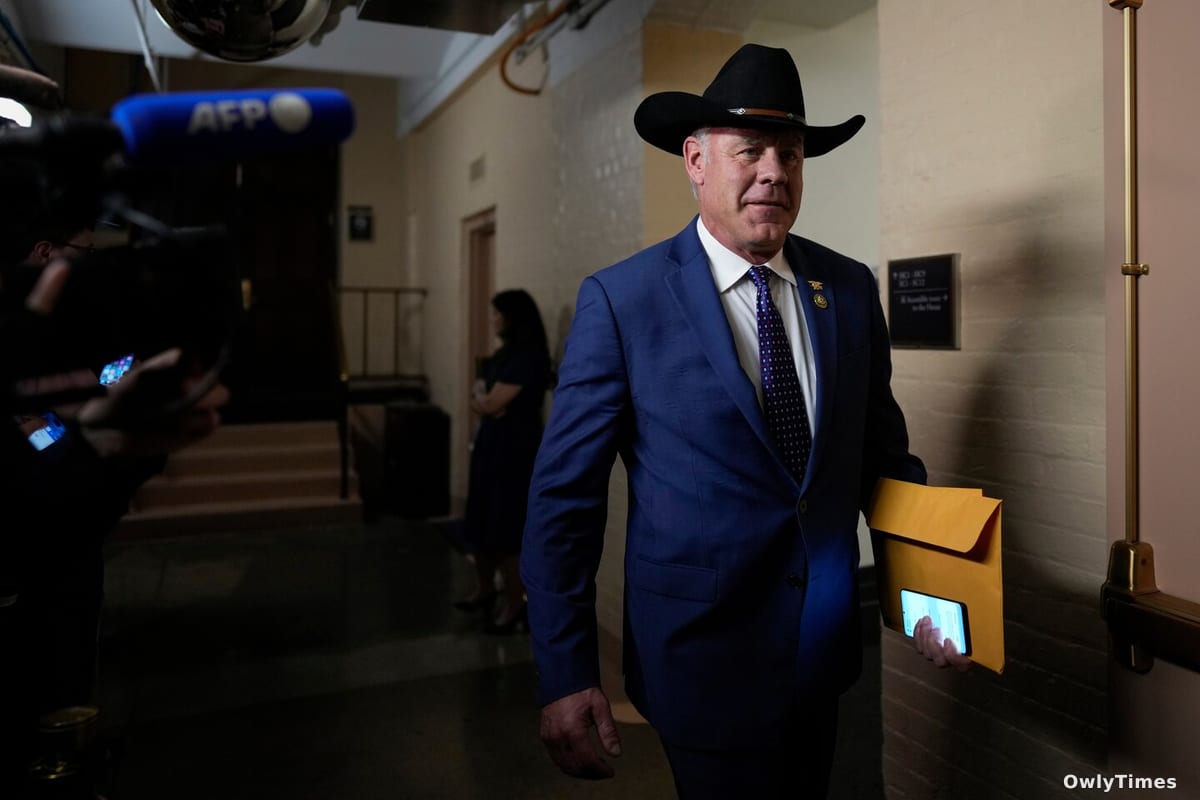

The calculated retreat of Ryan Zinke from Montana’s 1st Congressional District isn’t simply a matter of “health concerns,” as publicly stated. It’s a preemptive maneuver within a shifting Republican landscape, a recognition that the political calculus has turned against figures directly associated with the Trump era, even in reliably red states. Zinke’s departure, announced on March 2, 2026, signals a broader vulnerability for Republicans facing re-election battles tied to the previous administration, and a strategic attempt to avoid a potentially bruising primary and general election fight. The timing, nearly six months before the primary, is crucial – it allows the Montana GOP to recalibrate and field a candidate less burdened by national baggage.
The Weight of Investigations and Trump’s Enduring Influence
Zinke’s political career has been consistently shadowed by ethical investigations. While never resulting in conviction, the sheer volume of scrutiny – concerning his use of taxpayer funds as Interior Secretary and questions surrounding land deals – created a persistent vulnerability. These investigations, coupled with his staunch defense of Donald Trump during the January 6th investigations, made him a prime target for Democratic fundraising and attack ads. The decision to step down avoids a protracted and expensive campaign where these issues would inevitably be front and center. It’s a calculated risk: sacrificing a known quantity to potentially preserve the seat with a less controversial candidate. The context is vital here; Montana, while consistently voting Republican in presidential elections, has seen a narrowing margin in recent cycles, and a competitive House race was anticipated.
Drawn from The Washington Post.
Who Benefits and Who Loses in Montana’s 1st District
The immediate beneficiaries of Zinke’s withdrawal are Montana’s Republican establishment and potential challengers within the party. The open seat creates an opportunity for a new generation of conservative leaders to emerge, potentially less polarizing than Zinke. Figures like state Attorney General Austin Knudsen or Secretary of State ** Christi Jacobsen** are now likely to consider a run, offering voters a perceived “fresh start.” Conversely, Zinke himself loses, effectively ending a career that peaked with a cabinet position and maintained a firm grip on Montana’s 1st District. Democrats, while still facing an uphill battle in the district, gain a significant opening. A contested Republican primary will likely deplete resources and potentially elevate a candidate with weaknesses that Democrats can exploit in the general election. The Montana Democratic Party, currently fundraising off of Zinke’s departure, is poised to invest heavily in the race.
A Pattern of Retreat: Parallels to Post-Nixon and Post-Bush Eras
This scenario echoes patterns observed after periods of intense political polarization. Following the Nixon scandal, numerous Republicans distanced themselves from the administration, recognizing the damage to the party’s brand. Similarly, after the George W. Bush years, a wave of Republican retirements signaled a desire to move beyond the controversies of the Iraq War and the 2008 financial crisis. Zinke’s exit fits this historical mold – a recognition that continued association with a controversial figurehead, even one as popular within the base as Trump, carries increasing political risk. The difference now is the speed of the shift. The backlash against the Trump administration is unfolding with a velocity unseen in previous post-presidency periods, fueled by social media and a 24/7 news cycle. This accelerated timeline forces incumbents like Zinke to make difficult decisions sooner rather than later.
The Next Chess Move: Montana’s Senate Race and the Republican Succession
The immediate political chess move to watch isn’t within the 1st Congressional District, but rather its impact on Montana’s Senate race. Senator Steve Daines, a Republican, is up for reelection in 2028. Zinke was widely considered a potential challenger should Daines decide to retire or seek higher office. With Zinke out of the picture, the field for a potential Senate run is now wide open, potentially attracting more ambitious Republicans. This creates a power struggle within the Montana GOP, as different factions vie for control of the party’s future. The question now is: will Daines use Zinke’s departure as an opportunity to consolidate his own power, or will it embolden a challenger to emerge and disrupt the established order? The answer will reveal the true extent of the internal divisions within the Montana Republican Party and foreshadow the battles to come.