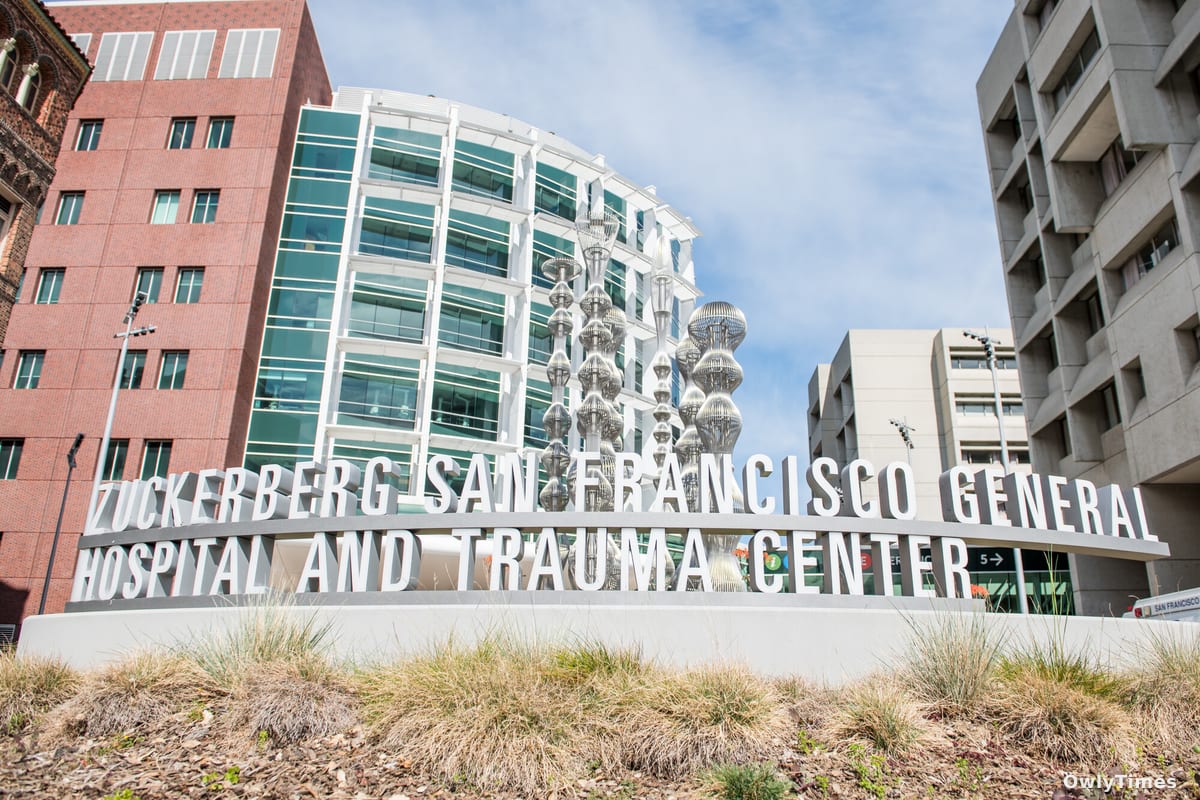

The fundamental question of workplace safety in medical environments often centers on infrastructure and policy, yet the tragic death of Alberto Rangel at Zuckerberg San Francisco General Hospital suggests that the most critical element may be the accuracy of the institutional narrative itself. On Dec. 4, 2025, a patient arrived at the facility around 1:30 p.m. intending to speak with a physician, but after being connected with Rangel, he attacked him from behind with a knife at 1:36 p.m. While hospitals are designed to manage medical crises, the subsequent investigation highlights a stark disconnect between the reality of the intervention and the public record presented by authorities.
The Discrepancy in Crisis Response
The timeline of the incident is precise, with a Code Blue—a term used for life-threatening emergencies—paged at 1:44 p.m. and the victim arriving in the emergency department by 2:03 p.m. However, the audit released recently challenges the official story initially pushed by the San Francisco Sheriff’s union. While union representatives posted images online claiming a deputy had intervened to prevent a "mass stabbing," the investigation revealed that the first person to physically restrain the assailant was actually Alejandro Alvarez, a clinical social worker at Ward 86.
The tension between staff experience and administrative messaging is palpable. Alvarez has stated publicly that personnel had to repeatedly instruct deputies to remove the attacker from the scene. This contradicts the narrative of swift, tactical intervention by law enforcement that circulated in the immediate aftermath of the event. For the clinicians on the front lines, this misinformation is not merely a bureaucratic error; it is a fundamental betrayal of the people who were present when the violence occurred.
The Psychological Cost of Safety Failures
For professionals like Alvarez, who was photographed by Beth LaBerge for KQED at the UCSF Parnassus campus on Dec. 30, 2025, the impact of the incident extends far beyond the clinical setting. The trauma of losing a colleague has manifested in persistent hyper-vigilance and sleep disturbances. Despite the recent release of the audit, Alvarez expressed that he feels “disillusioned” by an institutional approach he describes as “top-down” and lacking in genuine collaboration.
The data regarding safety at the facility remains concerning. A survey conducted by the union representing UCSF social workers found that a vast majority of staff have witnessed or experienced violence, with half reporting incidents of sexual assault or harassment. These figures underscore that the incident involving Rangel is not an isolated anomaly, but rather a catastrophic point in a larger, systemic struggle. Staff members are now calling for concrete changes, specifically requesting increased staffing levels to manage case loads and expanded access to mental health resources.
Assessing the Path Forward
The path toward recovery for the Ward 86 team remains uncertain, as many are still navigating the complexities of returning to a workspace that feels fundamentally altered. The demand for improved safety protocols is being met with a request for deeper financial support for the affected employees, rather than just procedural updates.
Whether the administration at UCSF and the Department of Public Health (DPH) will shift toward a more collaborative strategy will be measured by the implementation of these staffing adjustments. The next reading of institutional staffing reports and mental health support utilization metrics will indicate whether the leadership is addressing the systemic vulnerabilities highlighted by the staff or if the disconnect between management and the workforce will continue to widen.





