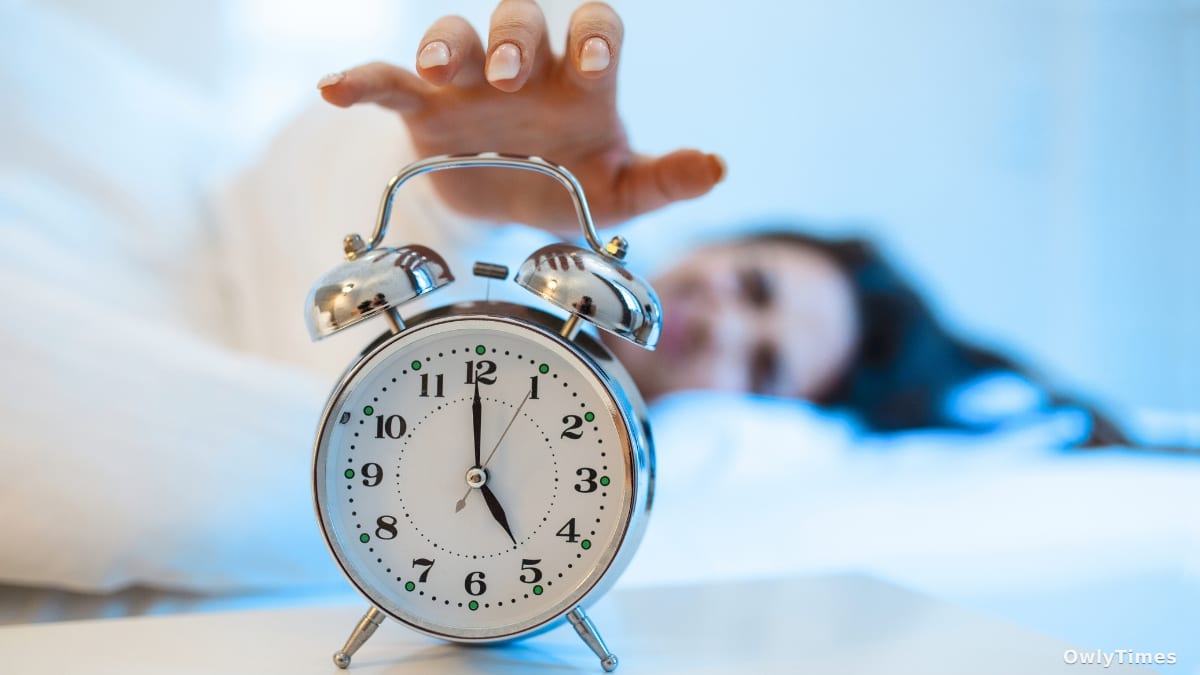

The insistent glow of 5 am social media posts – cold plunges completed, journals filled, sun salutations performed – perpetuates a powerful narrative: early rising is the cornerstone of a successful life. This message is amplified by figures like Tim Cook, Richard Branson, and Jennifer Aniston, all publicly associated with early routines. But a closer look at the science reveals a far more nuanced picture, one where forcing a 5 am wake-up can be counterproductive, even detrimental, to both health and performance. The current fascination with ultra-early mornings isn’t about unlocking a universal productivity secret; it’s about a fundamental mismatch between societal expectations and individual biological realities.
The core of this discrepancy lies in our “chronotype,” our individual biological rhythm dictating when we naturally feel most alert and sleepy. Research, increasingly grounded in genetics, demonstrates that sleep timing isn’t simply a matter of willpower. It’s partly rooted in our genes, and therefore, heritable. Christoph Randler, Professor of Biology at the University of Tübingen, emphasizes this point: “Chronotypes are shaped by genetics and circadian biology.” This isn’t a new idea – scientists have long understood that individuals fall along a spectrum, from “larks” who thrive in the morning to “owls” who peak later in the day, with many residing as intermediate types. What’s often lost in the popular discourse is the degree to which these chronotypes are fixed, and the consequences of consistently fighting them.
Studies consistently show differences linked to chronotype. Morning types tend to demonstrate better academic performance, lower rates of substance use, and more consistent exercise habits. Conversely, evening types report higher levels of burnout and poorer mental and physical health. However, attributing these outcomes solely to chronotype is an oversimplification. A key factor is “chronic misalignment” – the repeated disruption of natural sleep patterns due to work, school, or social demands. Evening types, forced into early schedules, experience this misalignment more acutely, leading to sleep debt, fatigue, and accumulated stress. It’s not that being an owl is inherently detrimental; it’s that society often penalizes a schedule that doesn’t align with a lark’s natural rhythm.
This article draws on reporting from ScienceAlert.
The current emphasis on early rising often rests on the assumption that adopting such a routine will bestow the same benefits observed in natural morning types. This is a critical misinterpretation of the data. While an initial boost in motivation and attention is common when starting a new routine – akin to the feeling of starting a new job – this effect rarely translates into lasting biological change. In fact, for many, forcing an earlier wake time increases “social jetlag,” the discrepancy between our biological clock and our social schedule. This jetlag has been linked to poorer academic performance, reduced well-being, and even increased risk of chronic diseases like diabetes, hypertension, and obesity. The narrative isn’t that early rising causes success; it’s that success is often easier to achieve when your natural rhythm aligns with the demands of a society structured around early schedules.
Determining your chronotype isn’t about taking a personality quiz; it’s about careful self-observation. Keeping a detailed sleep log – noting bedtimes, wake times, and crucially, energy levels across workdays, weekends, and holidays – can reveal your natural rhythm. Pay attention to how easily you fall asleep (less than 30 minutes suggests a good fit), and how you respond to shifts like daylight saving time. While small adjustments like earlier bedtimes, morning daylight exposure, and limiting evening screen time can nudge your rhythm, biology sets firm limits. The real question isn’t can you become a morning person, but should you, given your inherent biological predispositions? The next wave of research needs to focus on quantifying the long-term health consequences of chronic chronotype misalignment, and developing strategies for creating more flexible work and education environments that accommodate diverse biological rhythms. Will we see a shift towards more personalized schedules, or will the pressure to conform to the “5 am club” continue to prioritize societal norms over individual well-being? That’s a question worth watching closely.