
Is our digital-first infrastructure built to withstand a world that’s literally catching fire? While we obsess over the latest algorithmic shifts in Silicon Valley, the real story here isn't just the software-driven logistics of modern emergency response — it's that our physical, analog environment is hitting a breaking point that no amount of cloud computing can patch.
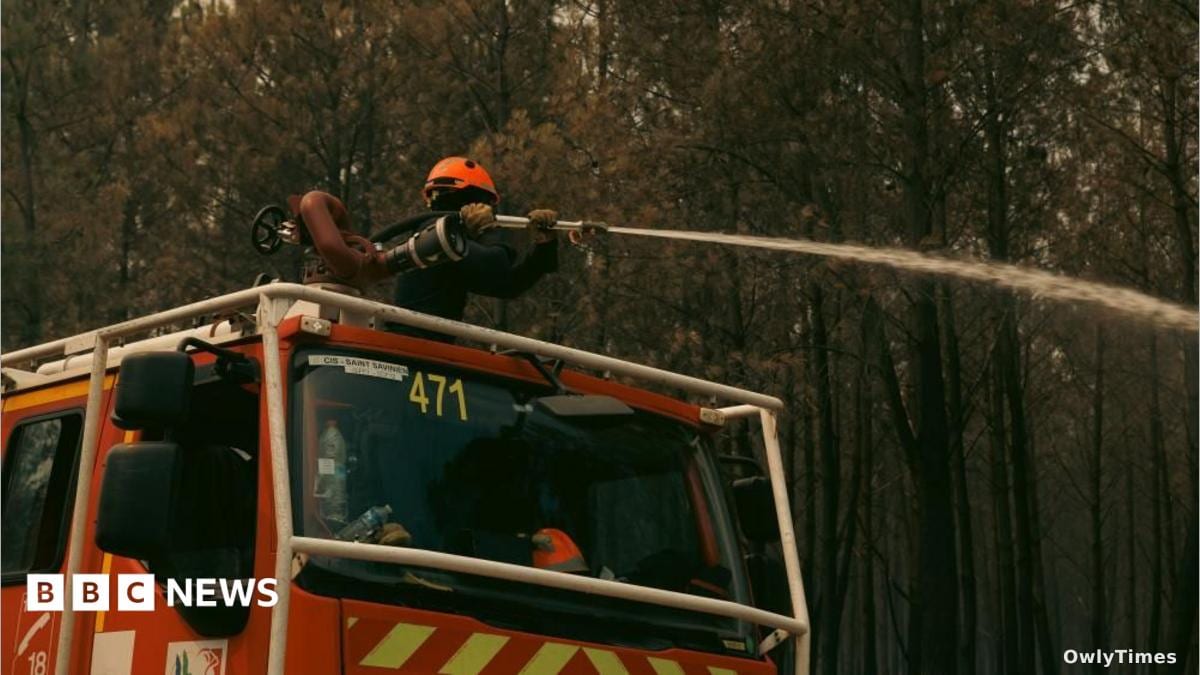
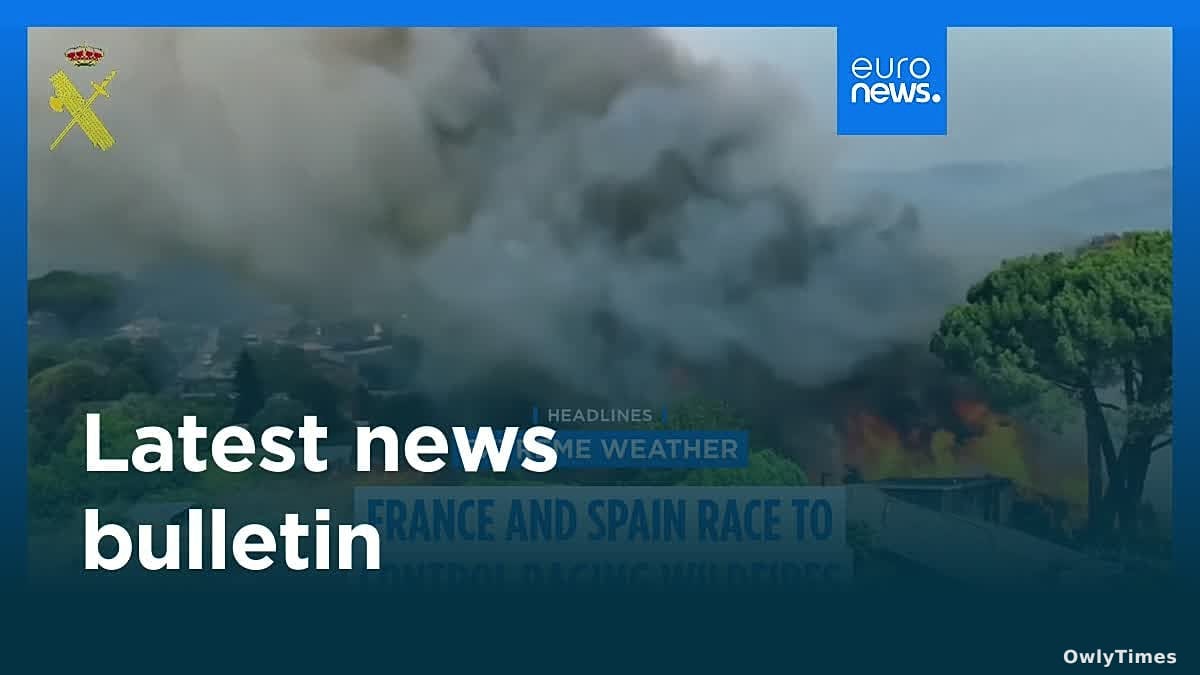
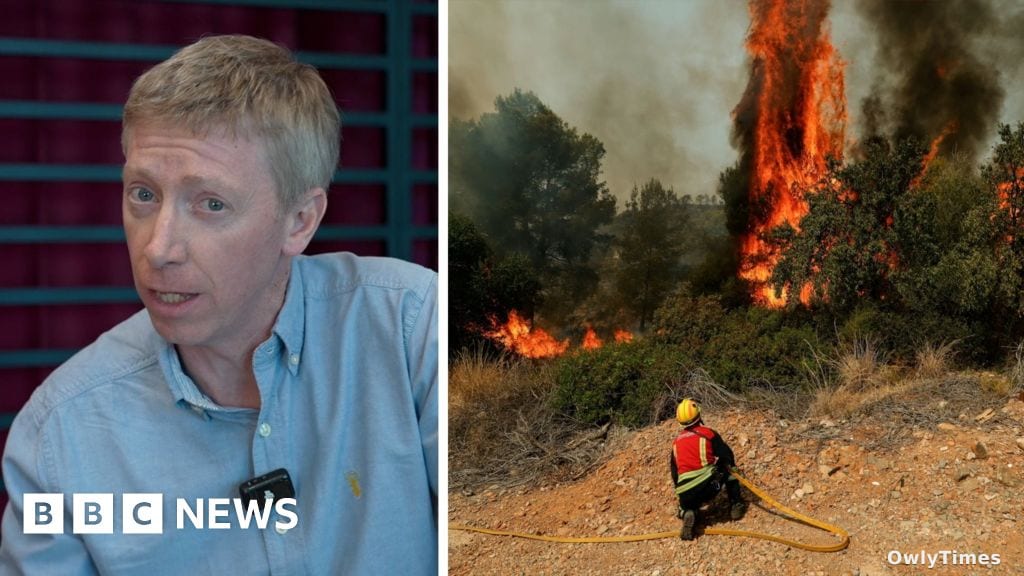
As France and Spain grapple with a brutal wildfire season, authorities are engaged in a literal race against time. According to The Guardian, the Gironde fire in southwest France has scorched 42,000 hectares, making it one of the largest such events in the country since the Second World War. Meanwhile, NPR notes that French Interior Minister Laurent Nuñez has confirmed over 242,000 acres have burned in France this year alone—a historic record.
The scale of the displacement is staggering, though reports vary slightly on the total human impact. ABC News puts the total number of people forced to flee their homes across France and Spain at over 330,000, while NPR cites a figure of more than 300,000. In France, the Gironde region alone saw 220,000 residents evacuated, according to The Guardian.
The Limits of Emergency Response
The technical challenge here is a grim reminder of how small we are compared to the elements. The Guardian reports that a fire in southern Spain reached speeds of 4 mph, significantly outpacing the manual firefighting threshold of 300 meters per hour. These fires aren't just burning; they are generating their own wind systems and erratic behavior, complicating the work of crews who are already stretched thin.
The cross-border cooperation is intense, with the European Union coordinating the deployment of planes and helicopters to assist local efforts, according to The Guardian. In Spain, the situation remains dire in the region of Ávila, where a fire has burned 50,000 hectares (125,000 acres), which The Guardian identifies as the country's largest on record. NPR provides a higher estimate for the same region, stating the Ávila fire has burned over 100,000 acres.
Climate Change as the New Baseline
For the average user, the impact is becoming impossible to ignore. Whether it’s the disruption of the Tour de France, which had its final stage route shortened due to reallocated police security, as reported by NPR, or the health warnings for those in Bordeaux to wear FFP2 masks due to air quality, as noted by The Guardian, the climate emergency is effectively "glitching" daily life.
Spanish Prime Minister Pedro Sánchez explicitly rejected the idea that these are isolated incidents, telling a climate conference that such events have become "the rule," as reported by The Guardian. It’s a sobering reality check for an industry that loves to talk about "scaling"—the natural world is scaling its volatility, and our current infrastructure is struggling to keep up.
What Comes Next
The immediate future depends entirely on the atmosphere, not human policy. According to NPR, Spain's national meteorology agency, Aemet, has forecast the fourth heat wave of the summer starting Wednesday, leaving authorities with a 24-hour window to solidify containment lines before conditions deteriorate again. European officials are expected to propose a more comprehensive adaptation strategy in October, according to The Guardian.