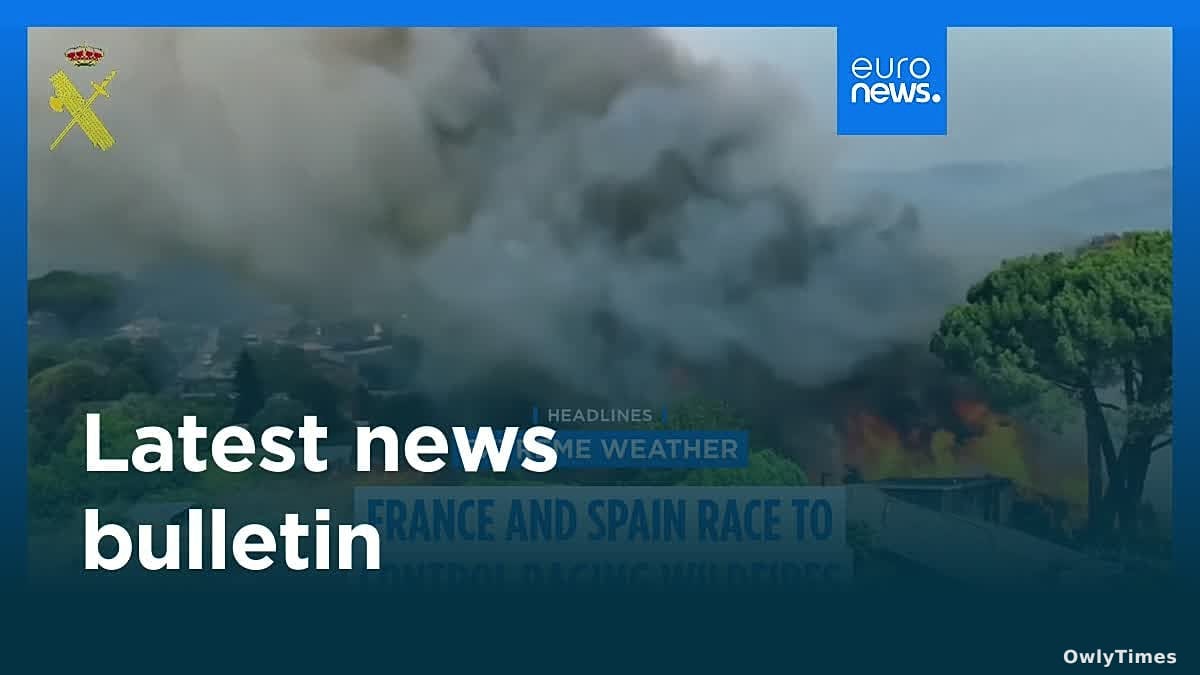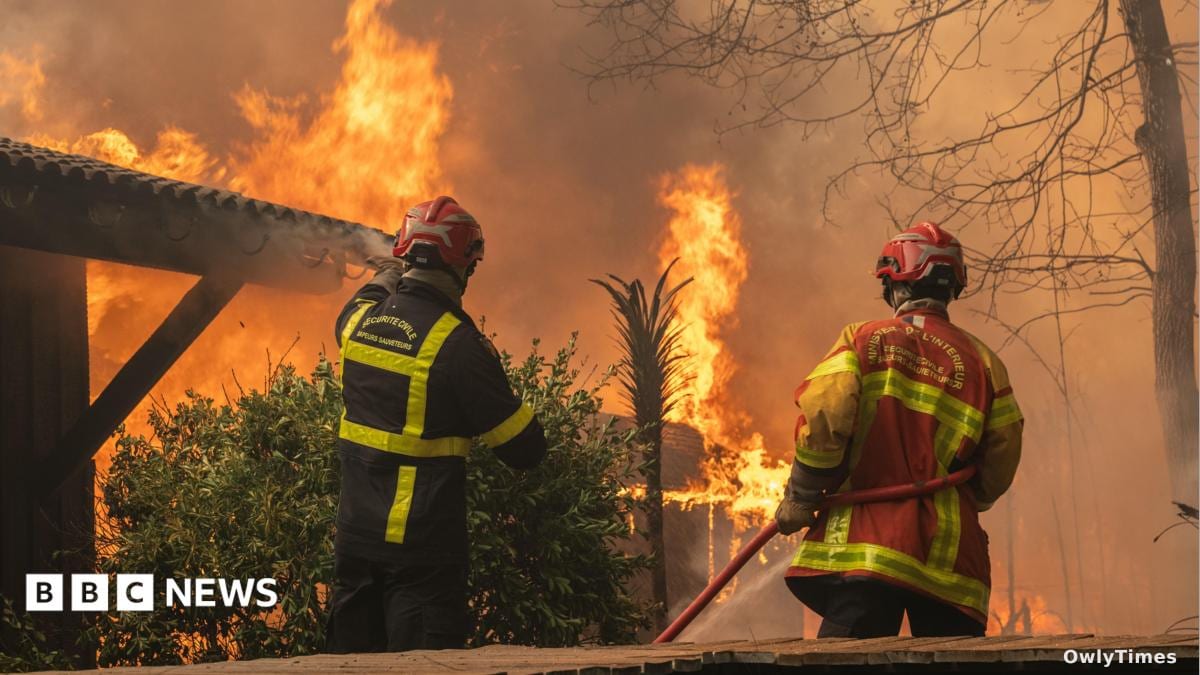

Can we really call a disaster “unprecedented” when it’s becoming our new seasonal baseline? As wildfires tear through France and Spain, leaving over 267,000 people displaced, the tech-obsessed among us might be tempted to look for a software patch or a clever drone solution. But the real story here isn't the deployment of specialized firefighting drones or experimental military transport aircraft — it’s the fact that our physical infrastructure is buckling under the weight of a climate reality that no amount of silicon can currently mitigate.
The scale of the exodus is staggering. According to The Guardian, the total number of people forced from their homes has climbed to 267,000. While BBC and CBS News report the figure as "more than 300,000," the discrepancy highlights the chaotic, fast-moving nature of the evacuations. In France, the French government reported 197,000 evacuations near Bordeaux, while NPR cites a figure of 167,000, illustrating how difficult it is to track human movement during a crisis that French Interior Minister Laurent Nunez termed "probably" the biggest peacetime evacuation in the country's history.
When nature generates its own weather
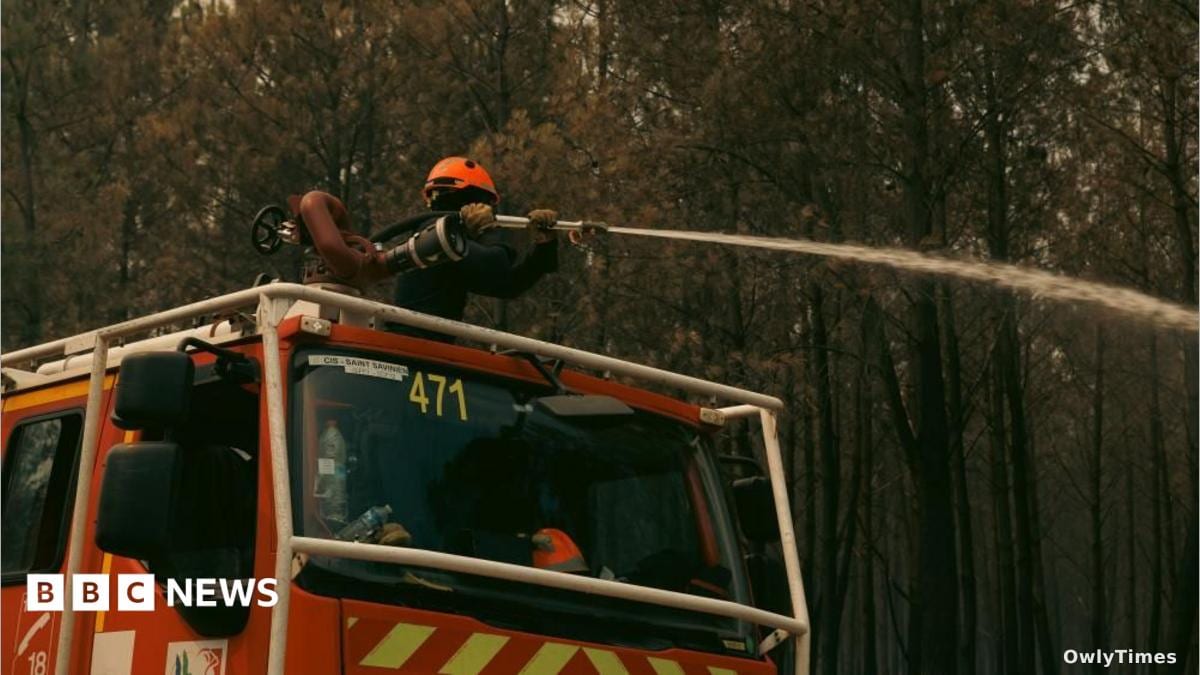
To understand why these fires are so difficult to contain, think of them not as static blazes, but as massive, self-organizing heat engines. Captain Nicolas Braz told AFP that the fires in France are creating "their own winds," effectively turning into uncontrollable whirlwinds. French Prime Minister Sébastien Lecornu echoed this, noting the fires have become so intense they generate localized weather systems that defy standard containment tactics.
This is the tech-sector equivalent of a server farm overheating so badly it melts its own cooling system. The French military has deployed 1,500 soldiers to support firefighters, utilizing everything from bulldozers to an experimental A400M military transport aircraft capable of dropping 20 tons of retardant, as reported by CBS News. Despite these high-tech interventions, the human cost is tragic: a man in his 70s was found dead in his car in Manises, Spain, according to both the BBC and The Guardian.
A systemic failure, not a glitch
The irony of the situation isn't lost on observers: the Tour de France, a global spectacle of human endurance, has had to shorten its final stage from 133km to 89km to reassign security forces to the front lines, according to reports from both the BBC and NPR. It’s a stark reminder that when the physical world burns, all other cultural and economic programming gets interrupted.
Spanish Prime Minister Pedro Sánchez has declared a national emergency, noting that Spain has already seen 130,000 hectares burn this year—a significant jump from the decade-long average of 100,000 hectares. As The Guardian points out, this is the first time Spain has taken such a step for wildfires. The situation remains volatile, with Sánchez warning that while temperatures have dipped, the wind remains the "complex" wildcard that could reignite dormant zones.
The next measurable signal to watch is the weather forecast for the coming week. European officials, including the EU’s civil protection representatives, have explicitly warned that forecasters are predicting another heatwave, which will likely trigger further outbreaks as the summer continues, according to the BBC. We aren't just waiting for the current fires to stop; we are waiting to see if the continent’s emergency response systems can handle the inevitable sequel.