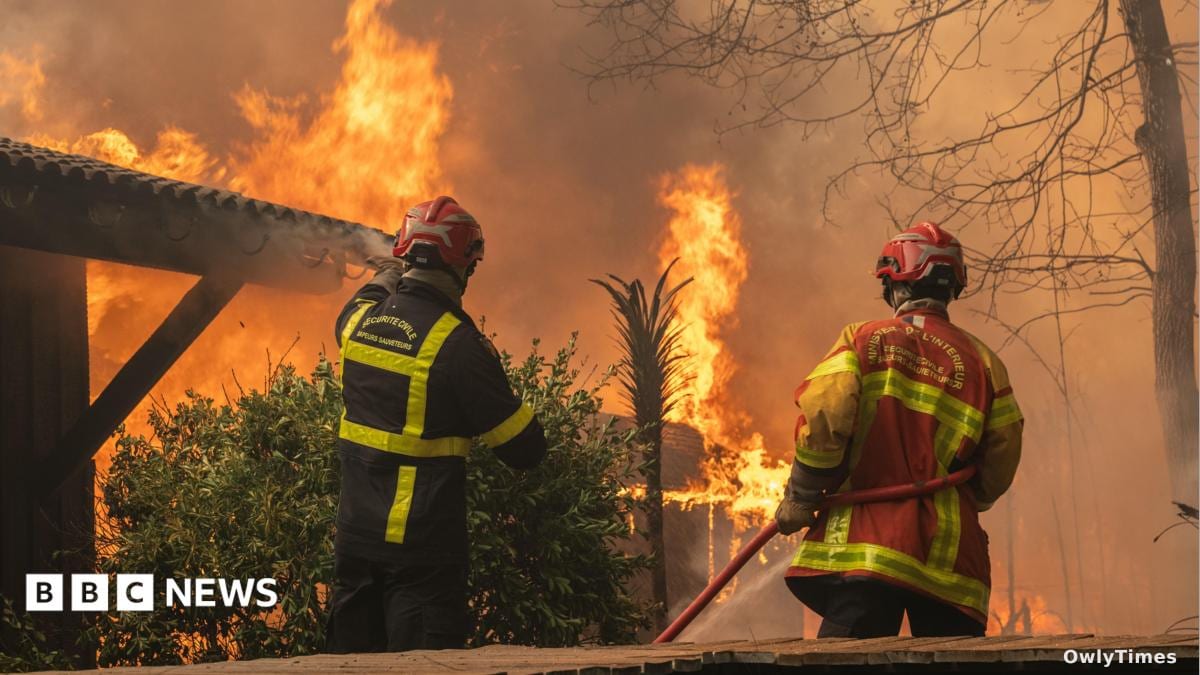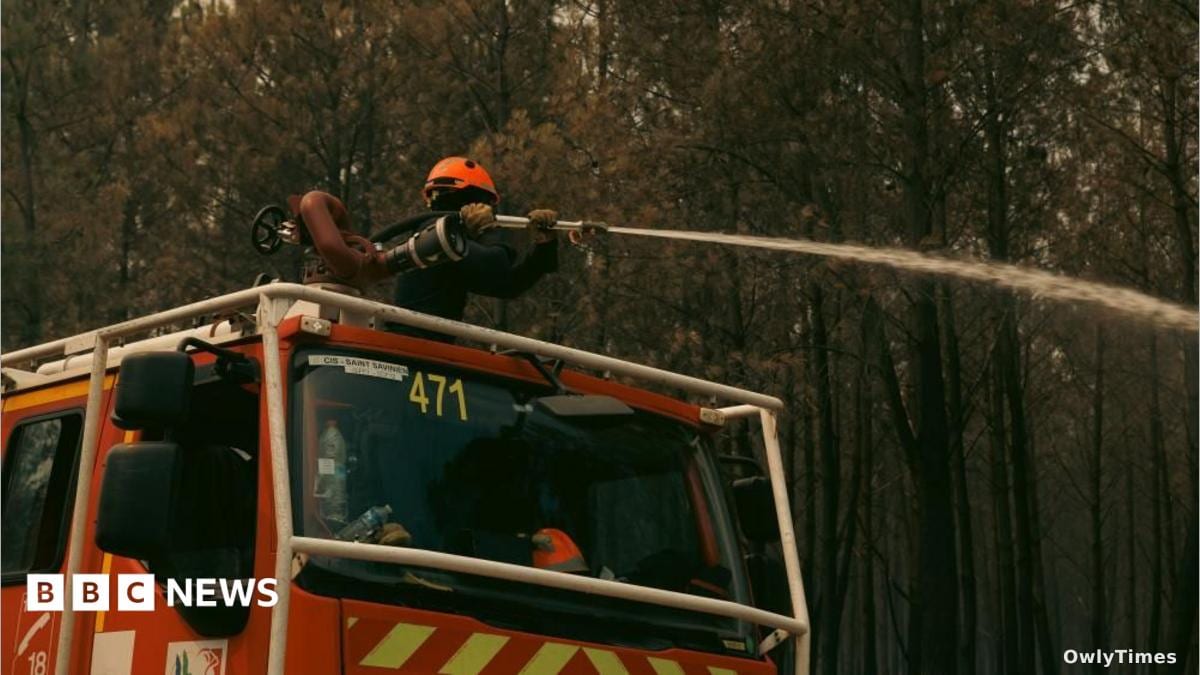

Is our obsession with "smart" technology blinding us to the fact that we’re currently failing to manage the most basic, physical infrastructure of our planet? As Silicon Valley pours billions into generative AI, a different kind of "unpredictable" intelligence is currently rewriting the map of Europe: the wildfire.
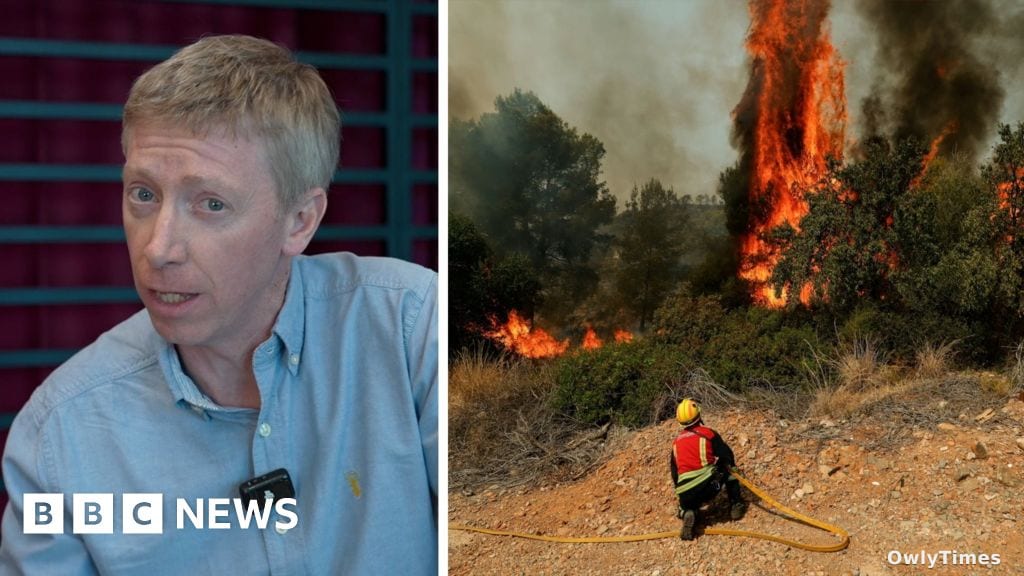
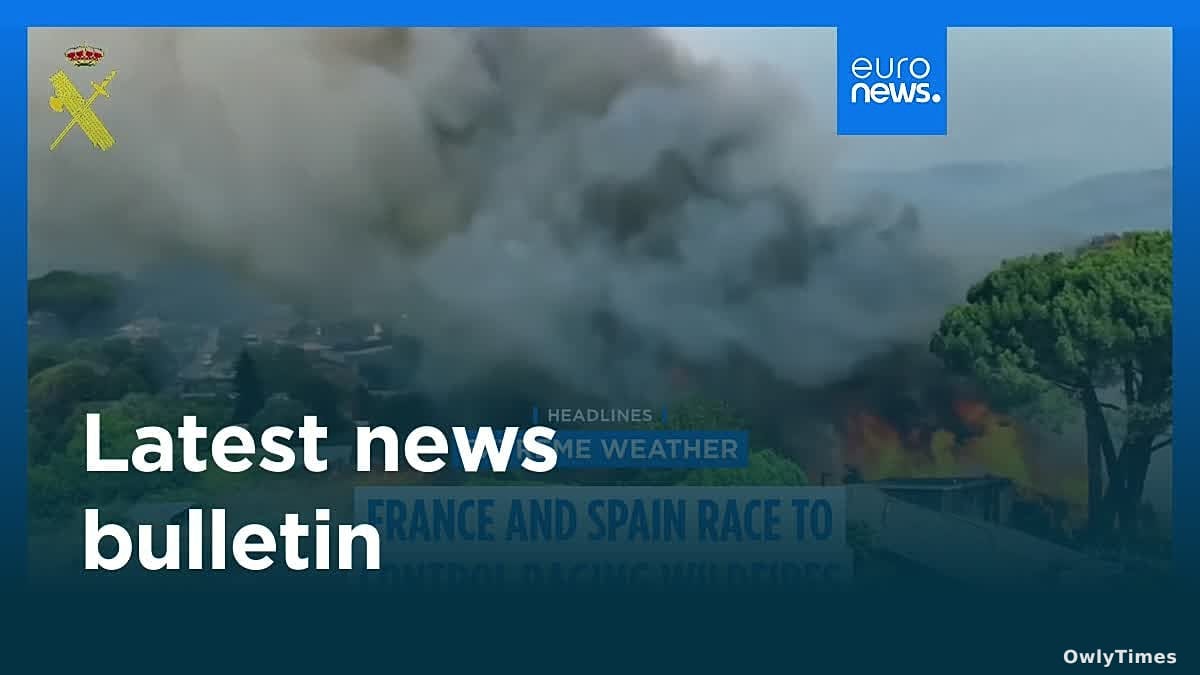
The real story here isn't just the rising mercury — it’s the shift from seasonal maintenance to a state of permanent, high-stakes crisis management. According to the BBC, firefighters in France and Spain are currently battling blazes that officials describe as having "a life of their own." Both The Guardian and CBS News report that these fires are generating their own wind systems, effectively outmaneuvering traditional containment strategies.
A Data-Driven Disaster
The numbers are staggering, though they vary by report. The Guardian notes that 50,000 hectares have burned in Ávila, Spain, contributing to a total of 70,000 hectares scorched near the capital. Meanwhile, ABC News reports that the EU’s European Forest Fire Information System estimates a combined 300,000 hectares have burned across both countries.
There is a slight conflict in the accounting of human impact: while CBS News states that more than 300,000 people have been displaced across both nations, NPR specifies that 220,000 of those evacuations occurred in France’s Gironde region alone. In Spain, ABC News clarifies that 79,000 people were evacuated, while another 30,000 were confined to their homes.
The Human Cost of Automation
We often talk about tech as a tool for efficiency, but here, the lack of human intervention is the problem. The BBC cites French Prime Minister Sébastien Lecornu, who noted that nine out of 10 fires are human-caused—ranging from careless cigarette butts to abandoned barbecues. This isn't just a climate story; it’s a failure of daily habits. ABC News points out that a decline in traditional forest-clearing industries has turned wilderness into a "tinderbox," essentially leaving us with a supply chain of fuel that only needs a spark to ignite.
When Algorithms Meet Reality
The situation in Gironde serves as a grim warning for any urban center. The mayor of Bordeaux, Thomas Cazenave, told the BBC and The Guardian that he is preparing for "all eventualities" as the fire reaches within 15km of the city. We aren't looking at a localized issue; we are looking at a systemic failure where the environment is becoming a hostile operating system. NPR notes that even the Tour de France was disrupted, as security resources were diverted to fight the flames.
The Next Trigger
The tech industry loves to talk about "disruption," but this is the real thing. European officials are currently in a high-pressure race against the clock. The Guardian and NPR both identify Wednesday as the critical inflection point, when a fresh heatwave is expected to push temperatures back toward 40C. If these fires aren't contained by the time those temperatures hit, we should expect a total breakdown of current containment efforts.