
A 52% Drop in Conservative Support Signals a Seismic Shift in UK Politics
A projected halving of Conservative support in Scotland and Wales, stemming from the high-water mark of the spring 2021 “vaccine bounce,” is the headline figure emerging from the upcoming May 7th elections. This isn’t simply about losing seats; it’s a quantifiable erosion of the party’s base, and a stark indicator of the shifting political landscape across the UK. Follow the money – and in this case, the dwindling votes – and a clear picture emerges: the Conservatives are facing a potential realignment, while the rise of Reform UK and the Green Party are poised to reshape the electoral map.
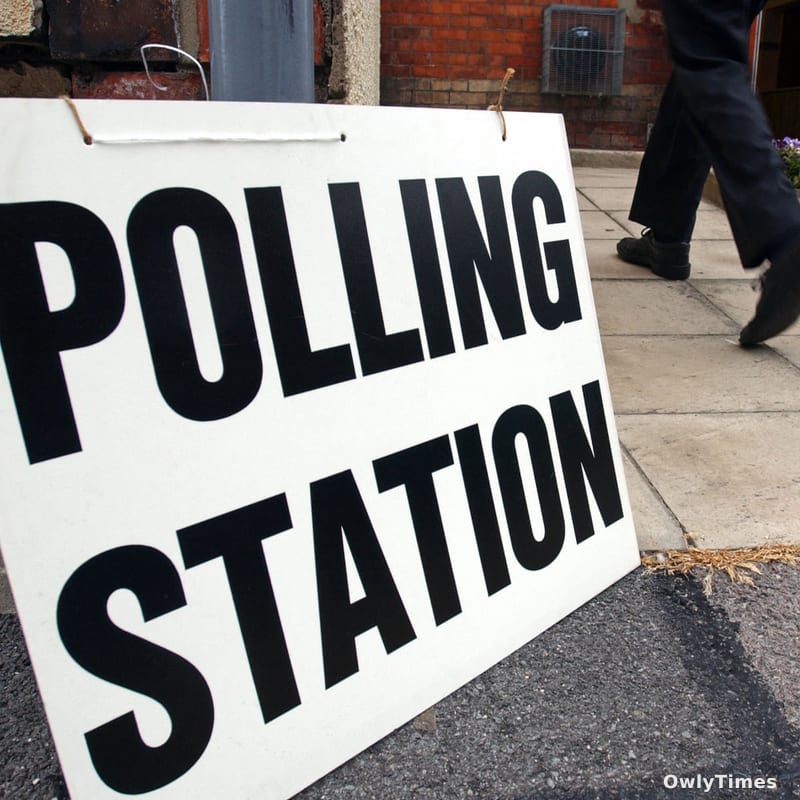
The elections themselves are broad in scope. Voters in Scotland, Wales, and across more than 130 English councils will head to the polls, selecting representatives through a variety of systems – from first-past-the-post to proportional representation. While predicting outcomes six weeks out is fraught with uncertainty, early polling data reveals a consistent trend. In Scotland, the Scottish National Party (SNP) maintains a lead, but faces a surprisingly strong challenge from Reform UK. Wales sees Reform neck-and-neck with Plaid Cymru, while England is bracing for significant gains by both Reform – particularly in the North – and the Greens, especially within London boroughs. This isn’t a uniform rejection of the established parties, but a fracturing of the vote share, driven by distinct regional anxieties and emerging political priorities.
See the original The Guardian story for the full account.
The implications for Keir Starmer’s Labour party are complex. While likely to lose control of Wales for the first time since devolution, and anticipating losses in Scotland, the more pressing concern lies within English councils. Projections suggest Labour could shed seats not only to the Conservatives, but also to both Reform and the Greens. This dual pressure highlights a fundamental challenge for Labour: appealing to both traditional working-class voters drawn to Reform’s populist message and younger, environmentally conscious voters increasingly aligned with the Green Party. The arithmetic is brutal. A significant loss in England could embolden internal opponents to challenge Starmer’s leadership, particularly if the UK continues to grapple with the economic fallout from international conflicts, such as the US-led war against Iran.
For Kemi Badenoch’s Conservatives, the situation is arguably more precarious. Beyond further council losses, the anticipated 52% decline in support in Scotland and Wales represents a dramatic reversal of fortune from the 2021 elections. That “vaccine bounce” – a surge in support linked to the successful rollout of the COVID-19 vaccine – now appears to be a fleeting anomaly. The party is effectively defending gains made during a period of exceptional public sentiment, and failing to do so suggests a deeper disconnect with voters. While Badenoch enjoys relative stability within her party, the election results are likely to accelerate internal discussions about the Conservatives’ long-term strategy and the growing threat posed by Reform UK. The potential for a complete replacement of the Conservatives by Reform is no longer a fringe concern, but a scenario actively being considered within Westminster.
Beyond the headline numbers, the elections offer a crucial test of tactical voting. Will voters, motivated by opposition to Nigel Farage’s Reform UK, coalesce around whichever candidate is most likely to defeat them? This dynamic is typically less pronounced in local council elections, but parties will be closely monitoring for any evidence of coordinated tactical behavior. Equally important will be the Green Party’s performance outside of urban centers. Can they expand their base beyond traditionally progressive areas, or will their gains be offset by losses to the Liberal Democrats? The answer to this question will reveal the extent to which the Greens are becoming a truly national force, and whether a potential left-wing alliance remains a viable possibility.
What this means for your wallet: expect continued political instability and policy uncertainty. The fragmentation of the vote, coupled with the potential for leadership challenges within both major parties, will likely hinder the government’s ability to address pressing economic issues. Investors should brace for volatility, while consumers should prepare for a prolonged period of cautious spending. The key question now isn’t who will win, but how much support will be lost – and what that loss will ultimately cost the UK. Will the May 7th elections serve as a warning shot, or a full-scale political earthquake?





