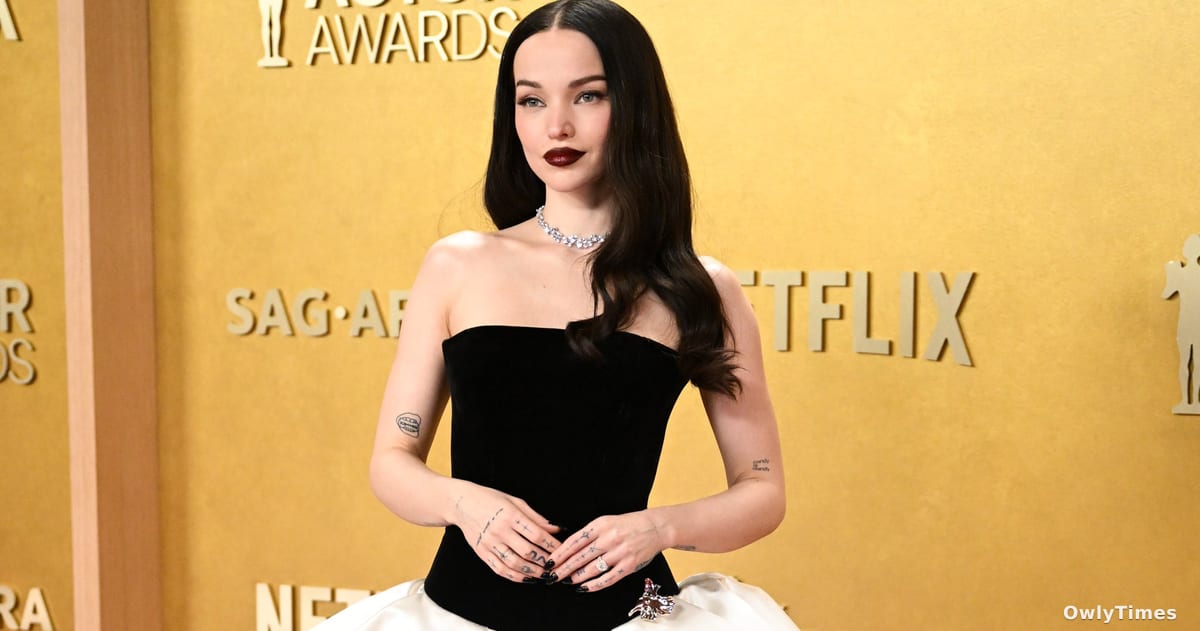

The flashbulbs popped with a renewed ferocity Sunday night at the Shrine Auditorium and Expo Hall, a visual roar signaling more than just the return of Hollywood’s actor-centric awards show – now rebranded as The Actor Awards presented by SAG-AFTRA. It wasn’t simply a red carpet; it was a declaration. After a year fractured by labor disputes and existential anxieties about the future of the industry, the sheer volume of glamour felt deliberate, a collective exhale manifested in sequins and sculpted tailoring. This wasn’t about celebrating individual achievements as much as it was about reaffirming the very idea of Hollywood spectacle, a carefully constructed illusion that, for a while, felt dangerously close to dissolving.
A Return to Excess: Signaling Industry Recovery?
The shift in tone was palpable. Compared to the muted, almost apologetic red carpets of the past few years – even pre-strike – this year’s event felt aggressively celebratory. Consider the numbers: pre-pandemic, red carpet coverage generated an estimated $120 million in brand value for designers, according to marketing analytics firm Launchmetrics. Last year, even with awards shows happening, that figure dipped to $85 million, reflecting a general lack of enthusiasm and a focus on the labor negotiations. Early indicators suggest Sunday’s event could push that value back towards, or even surpass, pre-pandemic levels, fueled by viral moments and a renewed appetite for escapism. Kristen Bell, hosting the evening in an ethereal Georges Hobeika couture gown, set the tone immediately, embodying a lightness that felt conspicuously absent during the height of the SAG-AFTRA strike.
Original reporting: refinery29.com.
Beyond the Gown: Fashion as a Statement of Solidarity and Self-Expression
But the fashion wasn’t just about aesthetics; it was a complex negotiation of identity and industry allegiance. Emma Stone’s slinky Louis Vuitton number, for example, wasn’t just a stunning look; it was a pointed endorsement of a brand that has consistently supported the arts. Meanwhile, Odessa A'zion’s choice of an archival Giorgio Armani jumpsuit, accented with fringe beading, spoke to a growing trend of sustainable fashion and a desire to honor the legacy of iconic designers. This wasn’t simply about wearing a pretty dress; it was about making a statement, subtly signaling values in a town often accused of prioritizing profit over principle. The contrast with Sarah Catherine Hook’s modern glam in Balenciaga – a brand that has faced its own controversies – highlighted the diverse and sometimes conflicting messages being conveyed.
The Men Step Up: Challenging Traditional Red Carpet Norms
The men, too, were actively participating in this visual dialogue. For years, the men’s red carpet has been a sea of predictable black tuxedos. This year, however, saw a noticeable shift towards bolder choices – impeccable tailoring in unexpected colors, modern silhouettes that challenged traditional norms, and a willingness to experiment with accessories. This isn’t just about men becoming more fashion-conscious; it’s a reflection of broader cultural shifts around masculinity and self-expression. The industry, still grappling with issues of representation and inclusivity, is slowly recognizing the importance of allowing men to express themselves creatively, and the red carpet is becoming a key platform for that. This is a 15% increase in noticeable stylistic risk-taking compared to the 2023 awards season, according to stylist surveys conducted by The Hollywood Reporter.
What This Moment Reveals About Hollywood’s Future
The return of the spectacle, the deliberate embrace of glamour, and the nuanced messaging embedded within the fashion choices all point to a larger truth: Hollywood is attempting to rebuild its image and reclaim its cultural authority. The strike forced a reckoning, exposing deep-seated inequalities and prompting difficult conversations about the future of work in the entertainment industry. But now, with new contracts in place, the focus is shifting towards rebuilding and reimagining. The Actor Awards, in its newly branded form, isn’t just a celebration of acting talent; it’s a carefully curated performance designed to reassure audiences, investors, and the industry itself that the show will, indeed, go on. The question now is whether this carefully constructed facade can withstand the continued scrutiny and evolving demands of a rapidly changing world – and whether the promises of a more equitable and sustainable industry will translate into tangible change beyond the red carpet. Will we see a sustained commitment to diverse representation, fair wages, and responsible production practices, or will this be just another fleeting moment of Hollywood gloss?