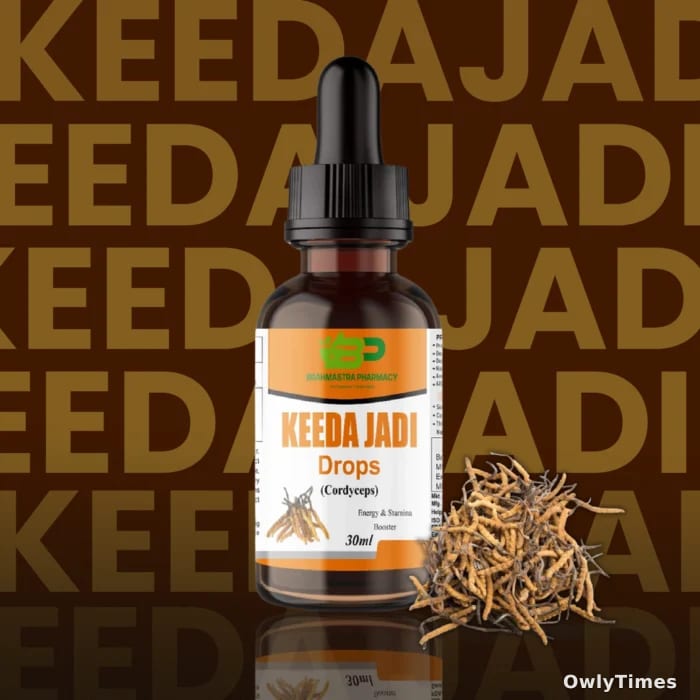

The current surge in interest surrounding adaptogens – natural substances touted for their stress-reducing and health-boosting properties – isn’t simply a wellness trend. It reflects a growing public desire for proactive health management, particularly in the face of chronic stress. But the rapid mainstreaming of these compounds, from ashwagandha in daily lattes to cordyceps in energy blends, is outpacing the rigorous scientific understanding needed to guide their use. The core question isn’t if these substances have potential, but how reliably they deliver on the promises made, and for whom.
Defining the “Adapt” in Adaptogens: What Does the Science Require?
The term “adaptogen” itself is relatively recent, coined in the 1960s by Russian scientist Nikolai Lazarev. However, the substances categorized as such have deep roots in traditional medicine systems like Traditional Chinese Medicine and Ayurveda. As Uma Naidoo, director of nutritional and lifestyle psychiatry at Massachusetts General Hospital, explains, an adaptogen isn’t just any beneficial plant; it must meet specific criteria. It needs to be generally non-toxic, help the body resist stressors – physical, chemical, or biological – and help restore balance, or homeostasis. This last point is crucial. Adaptogens aren’t about providing a boost, but about helping the body regulate its response to challenges. Kristen Smith, a registered dietitian nutritionist and spokesperson for the Academy of Nutrition and Dietetics, emphasizes this, noting the need for substances to aid in managing stress and restoring bodily functions.
Reporting from USA Today informs this analysis.
Beyond Stress: Exploring Potential Benefits and the HPA Axis
The most commonly cited benefit of adaptogens is stress reduction, and the science here centers on the hypothalamic-pituitary-adrenal (HPA) axis. This complex system is central to the body’s stress response, regulating cortisol levels and influencing everything from mood to immune function. Naidoo explains that adaptogens appear to support the HPA axis, potentially modulating the body’s reaction to stressors. However, the narrative often jumps from HPA axis support to claims of anxiety relief or improved mood, a leap that requires caution. While some research suggests indirect benefits for brain health – improved sleep quality and reduced inflammation – these are often secondary effects linked to better stress management, not direct neurological impacts. Furthermore, studies on specific adaptogens like ginseng and cordyceps show potential for enhancing energy and exercise performance, respectively, through mechanisms like nitric oxide production and improved ATP efficiency. But these findings, while promising, are often based on smaller studies and require confirmation in larger, more diverse populations.
The Regulatory Gap and the Problem of Product Variability
The rapid growth of the adaptogen market is occurring within a significant regulatory void. Unlike pharmaceuticals, dietary supplements – including those containing adaptogens – are not subject to the same rigorous pre-market approval process by the U.S. Food and Drug Administration. This means that the quality, dosage accuracy, and purity of adaptogen products can vary dramatically between brands. This isn’t a hypothetical concern; independent testing has revealed instances of products containing contaminants, inaccurate ingredient lists, or dosages far removed from what’s stated on the label. Smith rightly stresses the importance of consulting a medical professional before starting any adaptogen regimen, not just for personalized advice, but also to navigate this complex and often unreliable marketplace. The “natural” label doesn’t equate to “safe” or “effective,” and consumers need to be aware of this discrepancy.
Who Should Proceed with Caution? Identifying Potential Risks
While generally considered safe in moderate amounts, adaptogens aren’t universally appropriate. Certain populations should exercise particular caution. Naidoo highlights the risks for individuals who are pregnant or breastfeeding, have autoimmune or thyroid conditions, or are taking medications like antidepressants, blood pressure medications, or thyroid hormones. The concern isn’t necessarily toxicity, but potential interactions. Some adaptogens can influence hormone levels, stimulate the immune system, or alter the metabolism of certain drugs, potentially exacerbating existing conditions or reducing medication efficacy. It’s also important to remember that adaptogens are not a substitute for conventional medical care. As Naidoo emphasizes, they should be viewed as supportive tools, complementing foundational habits like a balanced diet, adequate sleep, regular exercise, and effective stress management techniques.
Looking Ahead: What Research Needs to Answer
The current state of adaptogen research is best described as “promising, but preliminary.” The next crucial steps involve large-scale, long-term human studies that rigorously assess the safety and efficacy of specific adaptogens for specific conditions. Researchers need to move beyond small, short-term trials and animal studies to establish clear evidence-based guidelines for their use. Equally important is standardization within the industry. Developing reliable quality control measures and establishing clear labeling standards would help consumers make informed choices and ensure they are receiving a safe and effective product. Perhaps the most pressing question for future research is identifying who benefits most from adaptogens. Are there specific genetic predispositions or lifestyle factors that make certain individuals more responsive to these compounds? Answering this question will be key to unlocking the true potential of adaptogens and moving beyond the current hype cycle.





