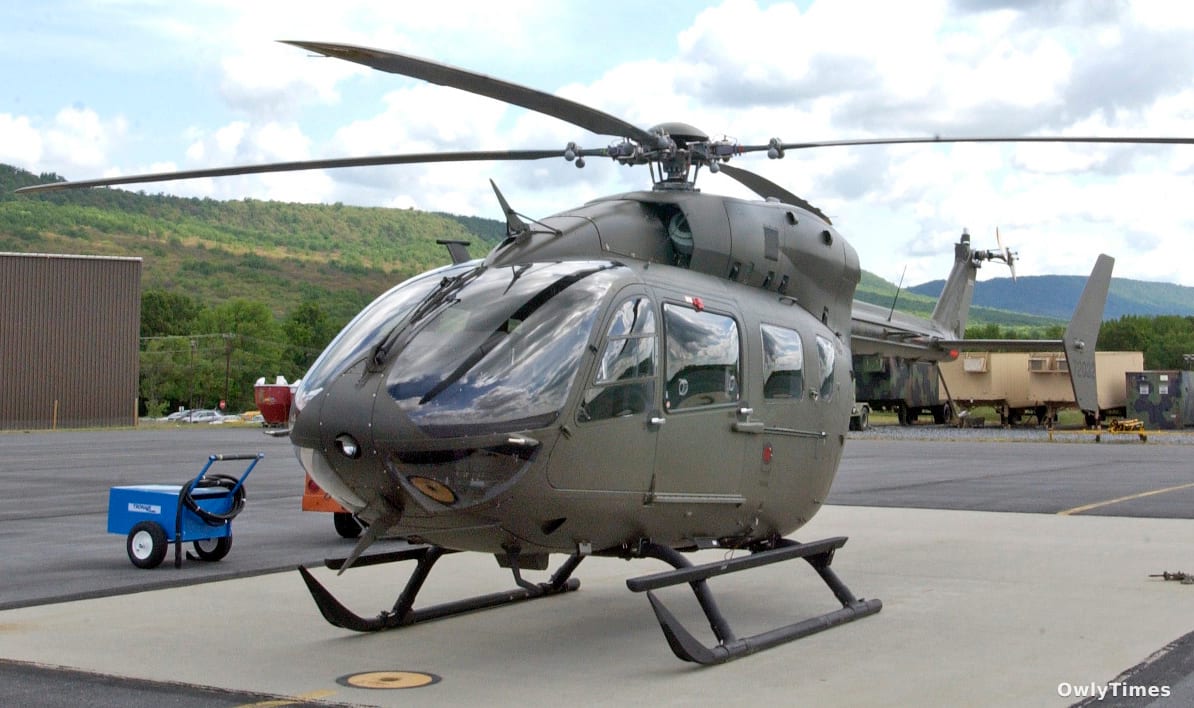

How do we define the threshold of emergency care in a region where geography often dictates survival? For the medical community in western Pennsylvania, the answer lies in the evolution of air transport technology, which bridges the gap between a patient’s location and the specialized hospital care required for trauma or cardiac intervention. The arrival of the Airbus H145 D3 represents a calculated shift in this capability, moving beyond mere speed to focus on accessibility and clinical utility in the high-stakes environment of prehospital medicine.
Modernizing the LifeFlight Fleet
On May 8, Allegheny Health Network (AHN) unveiled the first of four new Airbus H145 D3 medical transport helicopters. This initiative is part of a $55 million investment aimed at modernizing the network’s LifeFlight fleet. While headlines emphasize the cost of these assets, the technical value lies in the H145 D3’s specific engineering adjustments. The model features a reduced rotor diameter, which provides a more compact footprint, effectively increasing the number of viable landing zones in tight, urban, or challenging environments.
For a system like AHN, which has operated since 1978, this is a significant technological leap. When the program first launched with a single French-made Alouette helicopter, it stood as the first air medical service of its kind east of the Mississippi River. Having since completed more than 85,000 missions, the network is now moving to replace its current Airbus EC135 units with the D3, which includes the Helionix® avionics suite to improve situational awareness for the 22 pilots and 11 mechanics provided by Metro Aviation Inc.
The Reality of Clinical Capacity
It is important to distinguish between the procurement of new hardware and the actual improvement of patient outcomes. The primary advantage of the H145 D3, beyond its advanced navigation, is its expanded cabin capacity. This allows for the transport of more specialized medical equipment and additional personnel, which is critical when moving patients experiencing acute cardiac failure or infants requiring neonatal intensive care.
However, there are limitations to consider regarding this investment. While the aircraft offers superior reach—servicing a 130-mile radius across Pennsylvania, Ohio, West Virginia, and Maryland—the efficacy of the fleet remains tethered to the broader hospital infrastructure. AHN is currently working to integrate Heritage Valley Beaver and Heritage Valley Sewickley into its system, following a public hearing held in February. The hardware upgrade is only as effective as the network's ability to coordinate these assets with the 15th and 16th hospitals in its footprint, ensuring that the 60 specialized nurses and paramedics on staff are landing at facilities capable of receiving the patients they carry.
Future Integration and Fleet Growth
The first H145 D3 is expected to enter service later this month, marking the state's first medical transport aircraft of its class. The success of this transition will be measured by the arrival of the three remaining helicopters, which are anticipated to join the fleet over the next few years. As these aircraft are integrated, the next reading of the fleet’s operational readiness and mission success rate will indicate whether this capital-intensive strategy effectively meets the region's evolving emergency medical services needs. By focusing on ergonomic design and noise reduction—touted as the quietest in its class—AHN is signaling a long-term commitment to maintaining its leadership in critical care, regardless of the geographic constraints of the greater western Pennsylvania region.