
Is the future of artificial intelligence going to be determined not by code, but by campaign contributions? That’s the unsettling question emerging from the escalating feud between OpenAI and Anthropic, two companies at the forefront of the AI revolution, and their increasingly fraught relationship with the Pentagon. The narrative being spun is about “safety guardrails” and “ethical lines,” but the real story here isn’t about responsible AI development – it’s about the corrosive influence of money and political allegiance in shaping the tools that will define modern warfare.
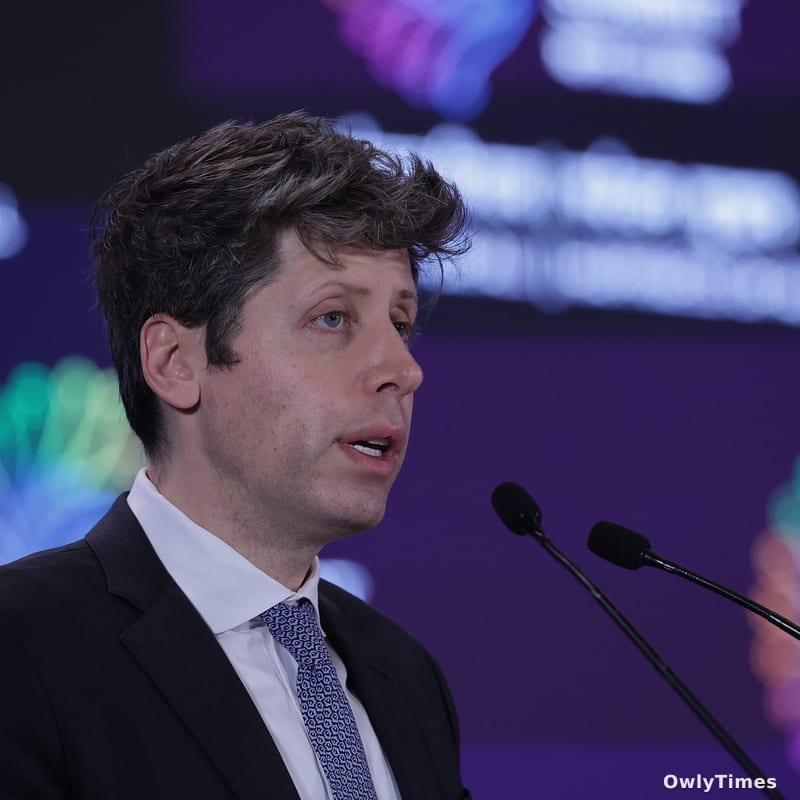
Sam Altman, CEO of OpenAI, attempted to quell internal unrest this week by telling employees the company has no control over how the Department of Defense utilizes its AI products. He reportedly dismissed concerns about the ethical implications of military applications, stating bluntly, “You do not get to make operational decisions.” This came after reports surfaced that OpenAI’s technology had already been deployed in sensitive operations, including the attempted seizure of Venezuelan leader Nicolás Maduro and targeting decisions in operations against Iran. The timing of a new Pentagon deal with OpenAI, seemingly designed to replace Anthropic’s technology, only amplified those concerns.
The Pentagon’s demand that AI companies remove safety restrictions to broaden military applications is hardly a secret. But Pete Hegseth, the US defense secretary, took an unprecedented step by designating Anthropic as a “supply-chain risk” after the company refused to compromise its principles. This isn’t a slap on the wrist; it’s a potentially crippling designation that could inflict significant financial damage. It’s a tactic rarely, if ever, used against a US company, signaling the administration’s willingness to weaponize regulatory power to get what it wants. Consider that for a moment: a US company penalized for not enabling potentially dangerous military applications of its technology.
But the story took a particularly sharp turn when Dario Amodei, CEO of Anthropic, publicly accused Altman of being “mendacious” and engaging in “dictator-style praise” of Donald Trump. According to reports from The Information, Amodei alleges the Pentagon and the Trump administration’s displeasure with Anthropic stems not from ethical concerns, but from the company’s lack of political donations. He specifically pointed to a $25 million contribution made by Greg Brockman, OpenAI’s president, and his wife to a pro-Trump political action committee. This isn’t a conspiracy theory; it’s a direct accusation from a competitor, backed by documented financial transactions.
Reporting from The Guardian informs this analysis.
The implications are staggering. We’re not talking about a nuanced debate over algorithmic bias or data privacy. We’re talking about the potential for AI development to be actively steered by political patronage. The Pentagon isn’t simply seeking more powerful tools; it’s seeking tools from companies willing to play ball. OpenAI’s rushed deal, which Altman himself admitted looked “opportunistic and sloppy,” now appears less like a strategic move and more like a payoff for past support. The “safety theater” Amodei refers to isn’t about protecting the public; it’s about creating the appearance of ethical consideration while quietly enabling the military to do what it wants.
This isn’t just a Silicon Valley squabble. It affects every American. The decisions made today about AI in warfare will determine the nature of conflict for decades to come. If political donations become a prerequisite for accessing government contracts, we’re not just opening the door to biased algorithms; we’re opening the door to a future where the tools of war are shaped by the whims of wealthy donors and political agendas. The average user, concerned about AI’s impact on their job or their data, needs to understand that the stakes are far higher than personalized ads or automated customer service.
Here’s what to watch for: in the next six months, pay attention to the lobbying expenditures of OpenAI and Anthropic. A significant increase in donations to both Republican and Democratic campaigns, particularly those on key defense committees, will be a clear signal that the pattern identified by Amodei is continuing. The question isn’t whether AI will be used in warfare – it already is. The question is who gets to control that technology, and to what end.