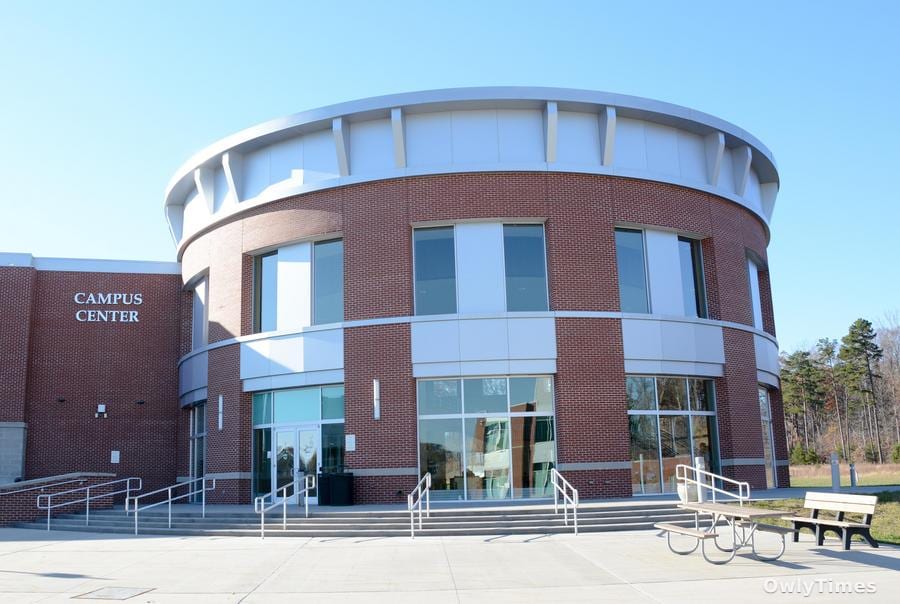

Is a two-year degree the new four-year degree? That’s the question swirling around the announcement from Guilford Technical Community College (GTCC) this week, as they unveiled a new Associate’s degree in Artificial Intelligence. Everyone’s focused on the “AI” part, naturally, but the real story here isn’t just another college jumping on the hype train – it’s a fundamental shift in how we’re approaching skills training, and a tacit admission that the traditional university model is struggling to keep pace with the speed of technological change. For years, the narrative has been “everyone needs a bachelor’s degree.” Now, community colleges are positioning themselves as the fast track to a lucrative career, and frankly, they might be right.
Beyond the Buzzword: What GTCC’s AI Program Actually Offers
GTCC’s new 66-credit-hour program, launching this fall with both online and in-person options, isn’t about teaching students to become artificial intelligence. It’s about teaching them to work with it. The curriculum is geared towards producing graduates ready to fill roles like AI engineers, data analysts, and machine learning specialists – positions that, just five years ago, required advanced degrees and years of experience. The demand for these roles is skyrocketing; according to a recent report by LinkedIn, AI-related job postings increased by 74% in 2025 alone. That’s a massive surge, and traditional universities simply haven’t scaled their programs quickly enough to meet it. GTCC is betting that a focused, two-year program can deliver job-ready candidates faster, and at a significantly lower cost than a four-year institution.
Source material: wfdd.org.
The Economic Mobility Play: Who Benefits?
Anthony Clarke, President of GTCC, frames the program as a pathway to economic mobility, and that’s a crucial point. The average student loan debt in the US is currently hovering around $40,000. Completing an associate’s degree at a community college, even with some associated costs, is a far more manageable financial commitment. If GTCC graduates can land jobs with average starting salaries in the $70,000-$90,000 range – and that’s a realistic expectation for many AI-related roles – they’ll be significantly ahead of their peers saddled with four-year university debt. This isn’t just about filling jobs; it’s about addressing widening income inequality and providing opportunities for individuals who might otherwise be left behind. The program’s accessibility, with both online and in-person options, further broadens its potential impact.
Digital Media Alongside AI: A Broader Skills Push
The launch of the AI program isn’t happening in isolation. GTCC is simultaneously introducing an Associate’s degree in Digital Media Technology, completable in four semesters, alongside certificate programs in content creation and user experience design. This signals a broader strategy: recognizing that the future of work isn’t just about coding and algorithms, but about the intersection of technology and creativity. The skills gap isn’t solely in AI; it’s in the ability to effectively communicate, design, and create in a digital world. Offering these complementary programs suggests GTCC understands that a holistic approach to skills development is essential. It’s a smart move, considering the increasing demand for professionals who can bridge the gap between technical expertise and user-centric design.
The Coming Flood: What to Watch For Next
The success of GTCC’s AI program won’t be measured by enrollment numbers, but by job placement rates. We’ll need to see, within two years of the first cohort graduating, whether these students are actually landing the high-paying jobs promised. More importantly, watch for other community colleges to follow suit. If GTCC demonstrates a viable model for rapidly training a skilled AI workforce, expect a nationwide surge in similar programs. The real question isn’t if community colleges will become major players in the AI education landscape, but when – and whether four-year universities will adapt quickly enough to remain relevant. I predict that by 2028, we’ll see a significant increase in employers actively recruiting from community college AI programs, and a corresponding shift in the perceived value of a two-year degree in the tech sector.