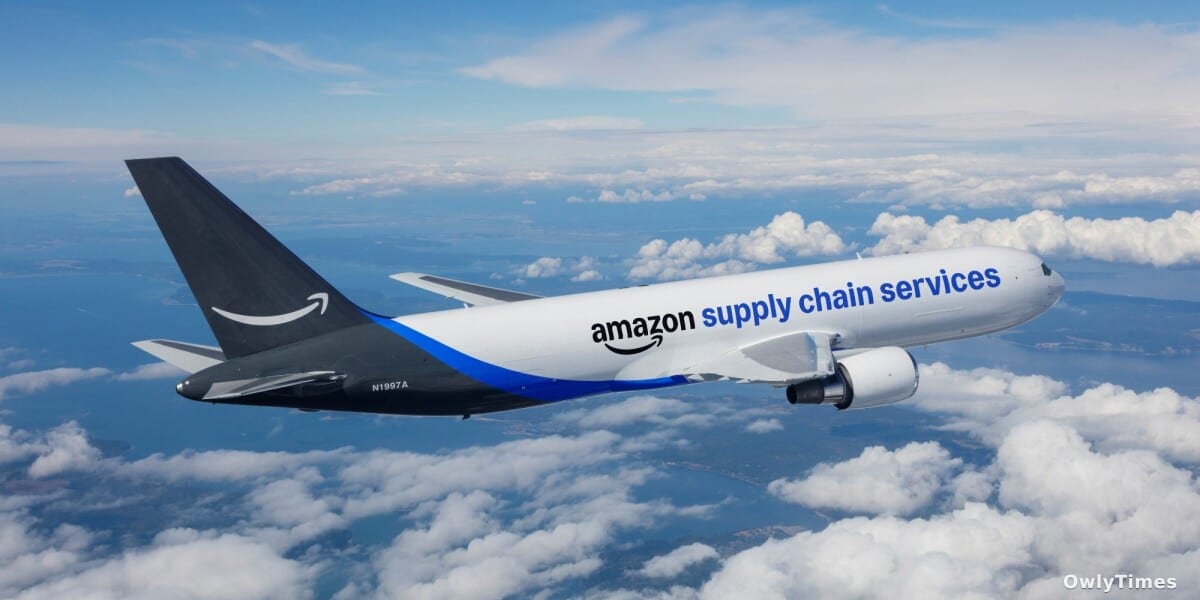

80 billion units—that is the staggering volume of goods independent sellers have moved through Amazon’s logistics network since 2006. For nearly two decades, this infrastructure was the hidden engine of the company’s retail dominance. Today, that engine is no longer exclusive. With the launch of Amazon Supply Chain Services (ASCS), the retail giant is officially pivoting to become a comprehensive global logistics provider, opening its freight, distribution, and fulfillment capabilities to any business, regardless of whether they sell on the Amazon marketplace.
From Proprietary Asset to Public Utility
Follow the money and the strategy becomes clear: Amazon is executing the same playbook that turned its internal cloud infrastructure into Amazon Web Services (AWS). Just as AWS commoditized server space and computing power, ASCS aims to commoditize the movement of physical goods. By offering businesses access to the same ocean, air, and ground freight networks that underpin its own retail operations, Amazon is betting that the efficiency of its "unified inventory pool" is a service product in its own right.
The move represents a major expansion in scope. While the company has historically catered to its own selling partners, ASCS now explicitly targets sectors including healthcare, automotive, and manufacturing. Early adopters are already leveraging this shift to solve high-stakes logistics bottlenecks. Procter & Gamble and 3M are currently utilizing Amazon’s freight services to manage the flow of raw materials and finished goods, while Lands’ End is integrating its inventory across multiple sales channels to ensure it can reach customers with greater agility.
Efficiency as a Competitive Moat
The value proposition for businesses hinges on the consolidation of what is currently a fragmented industry. For many manufacturers and retailers, the traditional supply chain involves a dizzying array of disparate contracts, customs brokers, and third-party warehouses. Amazon is attempting to replace this complexity with a single, automated network.
The data suggests this consolidation carries a tangible financial impact. According to internal figures, sellers utilizing Amazon’s end-to-end logistics solutions have seen nearly 20% higher sales. For a business owner, the benefit is twofold: the reduction of operational overhead and the ability to move inventory closer to the end consumer, which inherently shrinks delivery windows. As Todd Bairstow, founder of Finer Form, noted, the integration of services from cross-border logistics to warehouse storage allowed his firm to shed the operational intensity that otherwise hampers growth.
The Shift in Logistics Economics
For companies like American Eagle Outfitters, Inc., the appeal lies in the predictability of the parcel shipping network. By utilizing a system that offers two-to-five-day delivery speeds seven days a week, these retailers are outsourcing the most volatile part of their business—the final mile—to a provider that has already stress-tested its capacity at a global scale.
Peter Larsen, vice president of Amazon Supply Chain Services, frames this as an attempt to bring the same level of cost efficiency to the physical supply chain that AWS brought to software development. However, the true test will be whether external businesses can integrate as seamlessly into Amazon’s ecosystem as the company’s own internal operations. The next reading of the company’s adoption metrics for these non-Amazon-store sales channels will indicate whether this logistical pivot can successfully mirror the transformative market impact of its cloud computing predecessor.





