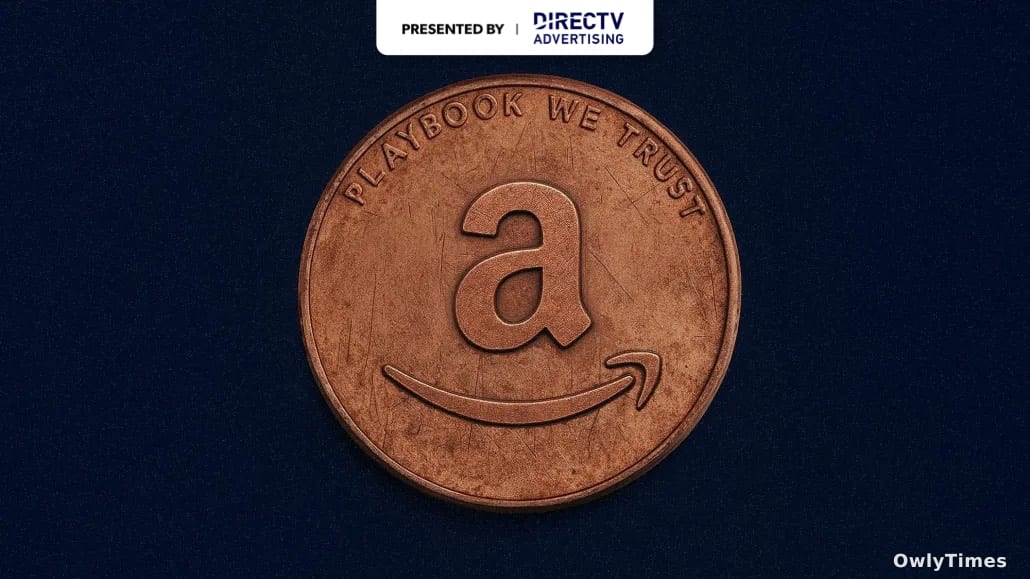

The quiet hum of a server farm might not sound like the roar of a sold-out stadium, but for the executives at Amazon, the two are now inextricably linked. As the annual upfront negotiations kick off this week, the narrative is no longer about whether streaming platforms can handle the technical load of live broadcasts. The conversation has shifted to a much more aggressive play: Amazon is effectively declaring that it has graduated from the streaming fringe to the broadcast mainstream.
“We’re not incremental to linear anymore. We’re competing at the broadcast level,” says Tanner Elton, Amazon’s vp of U.S. ad sales.
This isn't just corporate posturing; it is a calculated attempt to disrupt the traditional hierarchy of media buying. For decades, the upfronts have been the domain of legacy networks like CBS, NBC, Fox, and Disney, who sold the promise of mass reach. Amazon is countering with a different currency: the ability to trace a viewer from a touchdown pass on a screen directly to a purchase on a doorstep. With Amazon’s ad business bringing in $68 billion last year, the company has the capital to sustain this aggressive encroachment, even if Elton declined to specify exactly how much of that windfall is tied to live sports inventory.
The Data-Driven Pitch
While legacy broadcasters lean on the "brand safety" and sheer scale of their legacy output, Amazon is betting that marketers are increasingly allergic to blind spending. According to a recent IAB survey, 49% of marketers list targeting data as their top criterion when deciding where to allocate video dollars. This is where Amazon’s flywheel becomes a weapon.
The company is courting advertisers with a year-round portfolio including the NFL, NBA, NWSL, and NASCAR. Its coverage of the WNBA begins this week, on May 14, and the inventory is already sold out—a sharp contrast to the early days of streaming, when buffering issues plagued marquee events. “In the past there’s been slight issues with marquee streaming events,” notes Sam Nursall, research manager at Ampere Analysis. “Amazon clearly does it with the NBA.”
Navigating the Buyer’s Market
The market environment remains fraught with tension. 38% of marketers now expect deals struck during upfront negotiations to claim at least half of their media budgets, according to an iSpot survey. This gives buyers immense leverage, and they are using it to demand contractual opt-outs and greater flexibility.
Amazon is attempting to outmaneuver these demands by turning the sports broadcast into an ecosystem. By introducing AI tools like Dynamic TV Creative and striking data-sharing partnerships with LinkedIn, Amazon is trying to make its ad inventory indispensable. They are also leaning into cross-sports strategies; an Amazon spokesperson notes that advertisers running spots across more than one sport see unduplicated reach increase by 2.3x, while generating a 12% increase in consumer spending and a 17% increase in unit orders.
The Reality of the Playing Field
Despite the momentum, the transition is far from complete. In the third quarter of 2025, only 12.3% of time spent watching sports occurred on streaming services, according to Inscape. While Ross Benes, an analyst at eMarketer, views Amazon as having one of the strongest positions in the sector, he admits that the vast majority of sports ad spending remains anchored to traditional TV networks.
The industry is currently caught in a transition where viewers still instinctively reach for cable packages for their home teams, but the infrastructure for a shift is being built in real-time. Whether Amazon can lead the category will depend on the performance of its upcoming integrations—specifically, how well it can bridge the gap between high-level awareness and bottom-line commerce during tentpole events like its upcoming Black Friday/Cyber Monday programming. As the next reading of market share data for streaming sports emerges, it will reveal whether Amazon’s data-heavy approach is enough to finally unseat the broadcast giants, or if the gravity of legacy habits remains too strong to overcome.