
Is the modern streaming landscape becoming a digital version of a “shell game,” where the flashiness of the production is meant to distract you from the fact that the underlying story is missing?
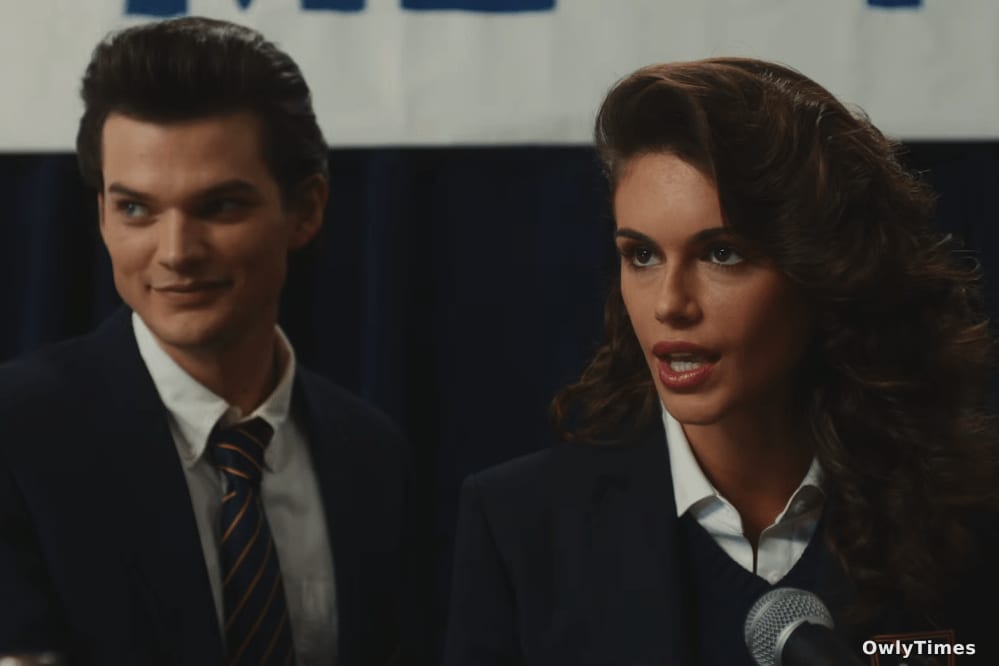
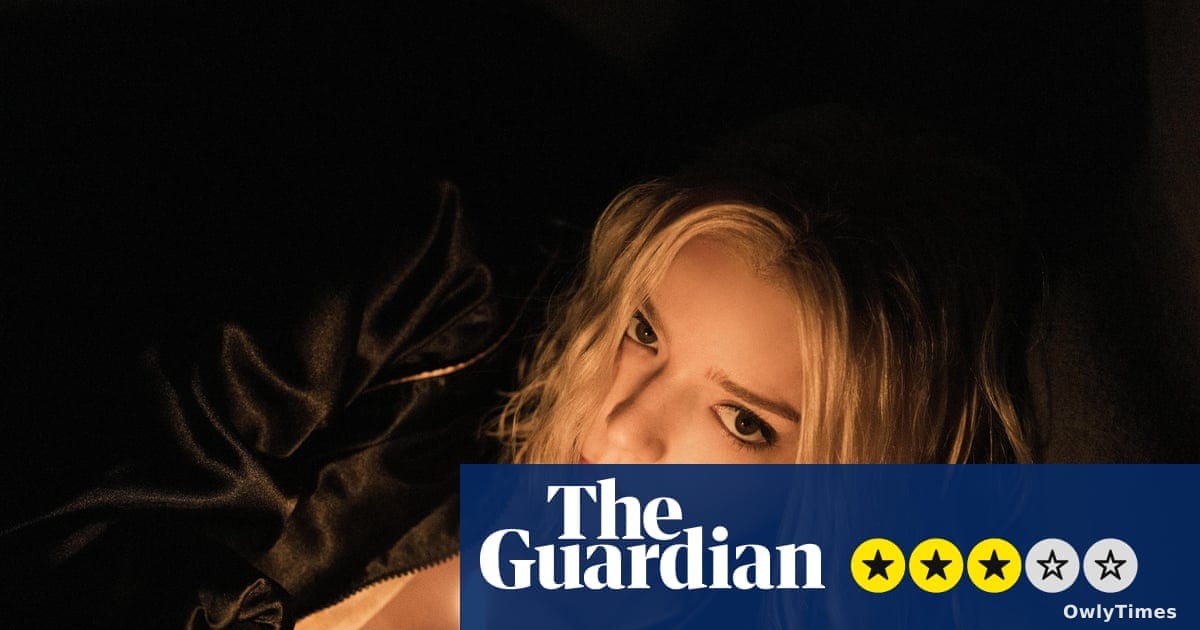
Apple TV+’s new limited series Lucky, which debuts its first two episodes on July 15, presents a high-octane chase featuring Anya Taylor-Joy as a con artist on the run. While the show aims for the kinetic energy of a classic thriller, the real story here isn’t the star power or the $10 million heist at the center of the plot — it’s the show’s fundamental struggle to justify its own existence as an adaptation.
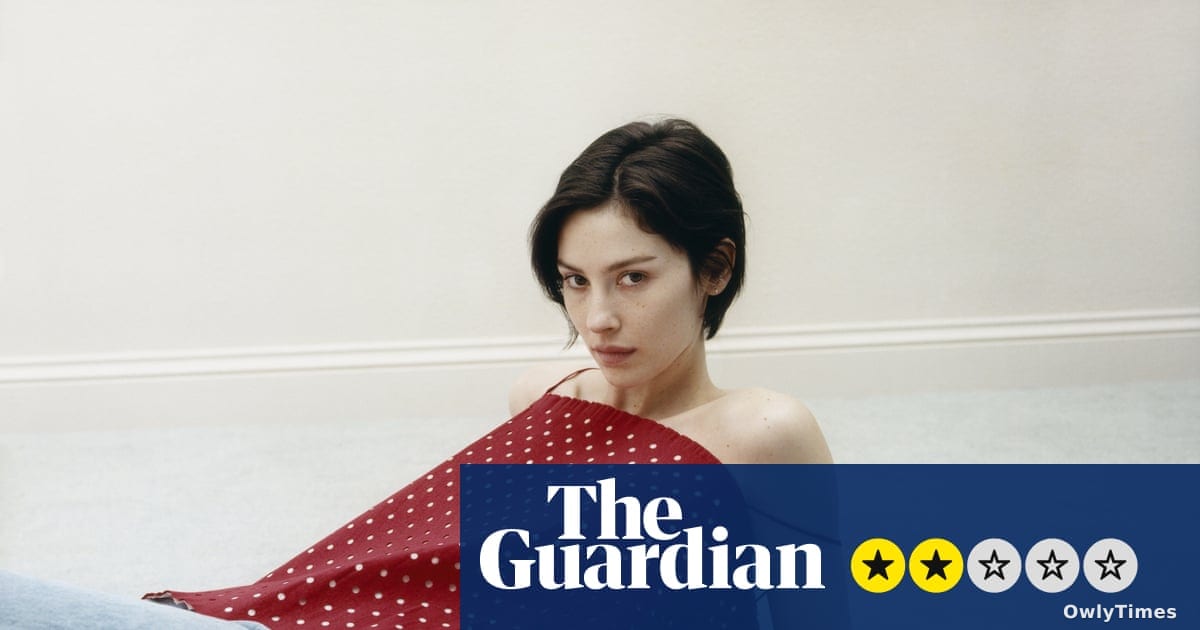
The premise, according to Variety, follows Luciana “Lucky” Armstrong after a Las Vegas heist goes sideways, leaving her abandoned by her husband and pursued by both the FBI and a crime syndicate. The Guardian notes that the show is based on Marissa Stapley’s bestselling novel, but critics are already pointing out significant discrepancies in how that source material is handled. While Variety frames the seven-episode series as a character-driven study on nature versus nurture, The Hollywood Reporter argues that creator Jonathan Tropper has essentially scrubbed the book’s core plotlines—including a central lottery ticket subplot—in favor of a narrative that feels like a disjointed experiment.
For the average viewer, this identity crisis manifests in a jarring shift of tone. The Guardian describes the series as “tosh” and “twaddle” that desperately wants to be a serious meditation on victimhood while simultaneously relying on “unexplained explosions” and cartoonish capers. The Hollywood Reporter agrees, noting that the show suffers from an “everything is the wrong length” epidemic; at seven episodes, it is too long to sustain its fast-paced, Run Lola Run-style adrenaline, but too underdeveloped to deliver the thematic depth it clearly craves.
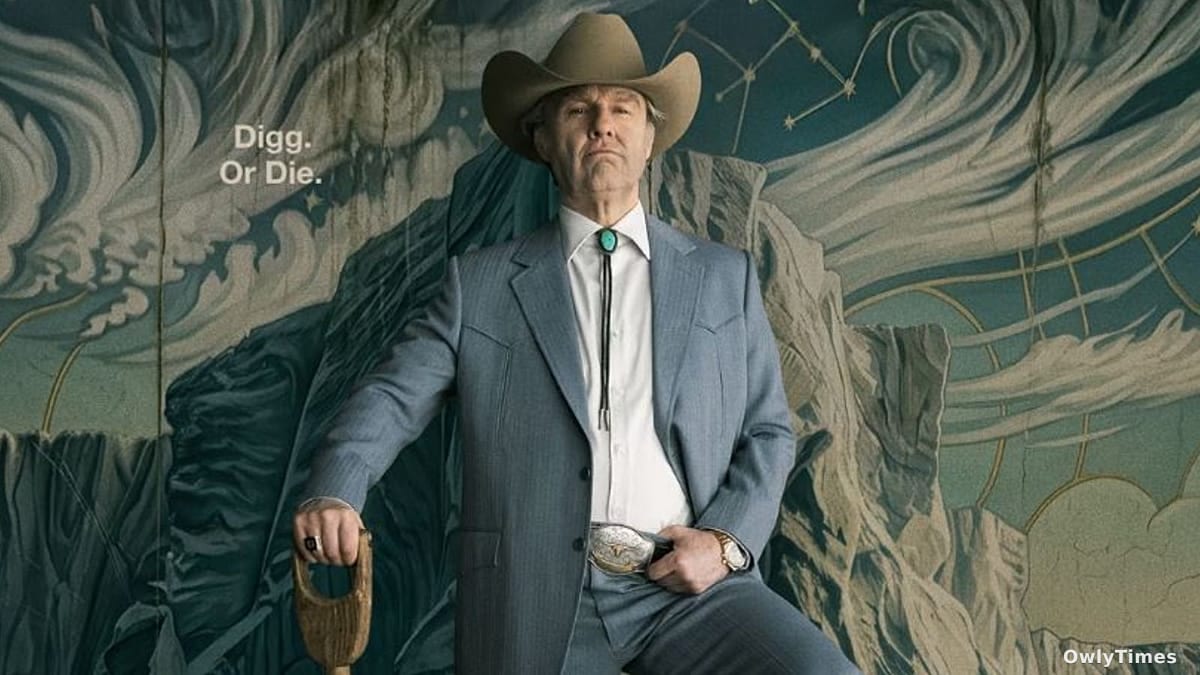
The cast, however, remains a point of consensus. All three outlets highlight the presence of heavy hitters including Annette Bening as the mob leader Priscilla, Timothy Olyphant as Lucky’s incarcerated father, and Aunjanue Ellis-Taylor as the persistent FBI agent Billie Rand. The Guardian finds the performances to be the show’s saving grace, suggesting that even when the script “skitters and flails like a baby giraffe on an ice rink,” the actors keep the viewer engaged. Variety credits the series with being a better vehicle for Taylor-Joy than the 2024 film Furiosa: A Mad Max Saga, which it characterizes as a project where the spectacle overshadowed her performance.
Ultimately, the show functions as a cautionary tale about the gap between high-budget production and cohesive storytelling. If you find yourself enjoying the visuals, you are likely responding to the craft of the actors, not the structural integrity of the plot. As for what happens next, the series concludes its rollout with weekly Wednesday episodes following the July 15 debut, which will provide the final verdict on whether the series can reconcile its conflicting halves before the finale.