
Is the American legal system a sturdy floor or a slippery treadmill? The real story here isn’t the headline-grabbing dollar amount — it’s the way the machinery of justice, once set in motion by a jury, struggles to actually deliver on its own promises.
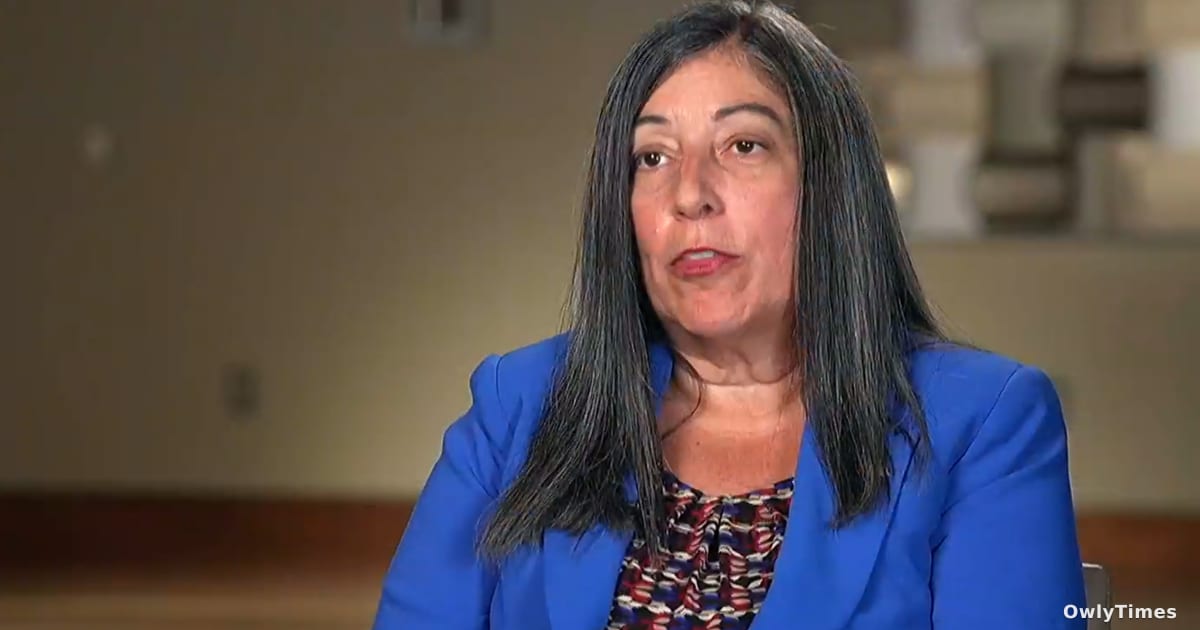
A Manhattan federal judge, Lewis Kaplan, has ordered the release of more than $5.8 million to writer E. Jean Carroll, effectively clearing the way for her to collect on a 2023 jury verdict that found Donald Trump liable for sexual abuse and defamation. According to Al Jazeera, the ruling came on Wednesday, just over a week after the U.S. Supreme Court declined to hear the former president's appeal on June 29. While NBC News confirms the funds are to be pulled from a court-monitored escrow account, The Independent notes that the total balance has grown to approximately $6.4 million due to interest accrual, though the specific payout ordered currently sits at the $5.8 million mark.
The legal tug-of-war highlights a fundamental disconnect between high-stakes courtroom litigation and the lives of ordinary citizens. For the average user, an escrow account is like a digital vault—a secure place where money sits, untouched, until a dispute is settled. However, Trump’s legal team argued that this vault should stay locked. As reported by The Guardian, his lawyers contended that because Carroll has stated she intends to donate the funds, any disbursement could result in an "unrecoverable loss" should the Supreme Court eventually reverse the verdict.
This creates a peculiar "what-if" scenario in the digital age. If funds are distributed to third-party charities, the legal system has no easy way to "undo" a transfer once the money has left the ecosystem. Roberta Kaplan, representing E. Jean Carroll, dismissed the delay as mere "gamesmanship," according to CBS News. The judge, clearly losing patience, noted in his memorandum that requests for the Supreme Court to reconsider such denials are "extremely rare birds," essentially telling the defense that the time for stalling has reached its expiration date.
The complexity of this case is compounded by a second, larger judgment. In 2024, a different jury awarded Carroll $83.3 million in a separate defamation case, a verdict that Trump is currently challenging with the aid of the Department of Justice, which seeks to invoke presidential immunity. While the $5.8 million payout involves the 1996 dressing room encounter and subsequent denials, The Independent highlights that the legal arguments regarding immunity in the larger case are now being used to justify further delays in this one.
Despite the judge’s order, the resolution remains in limbo. Trump’s attorneys filed a notice of appeal less than an hour after the order was issued, seeking an immediate temporary pause. As CBS News reports, it remains unclear exactly when the funds will be transferred. We are watching a high-stakes standoff where the only measurable signal is the clock: the case now rests on whether the 2nd U.S. Circuit Court of Appeals grants an emergency stay or if the court-monitored funds are finally released to the plaintiff.