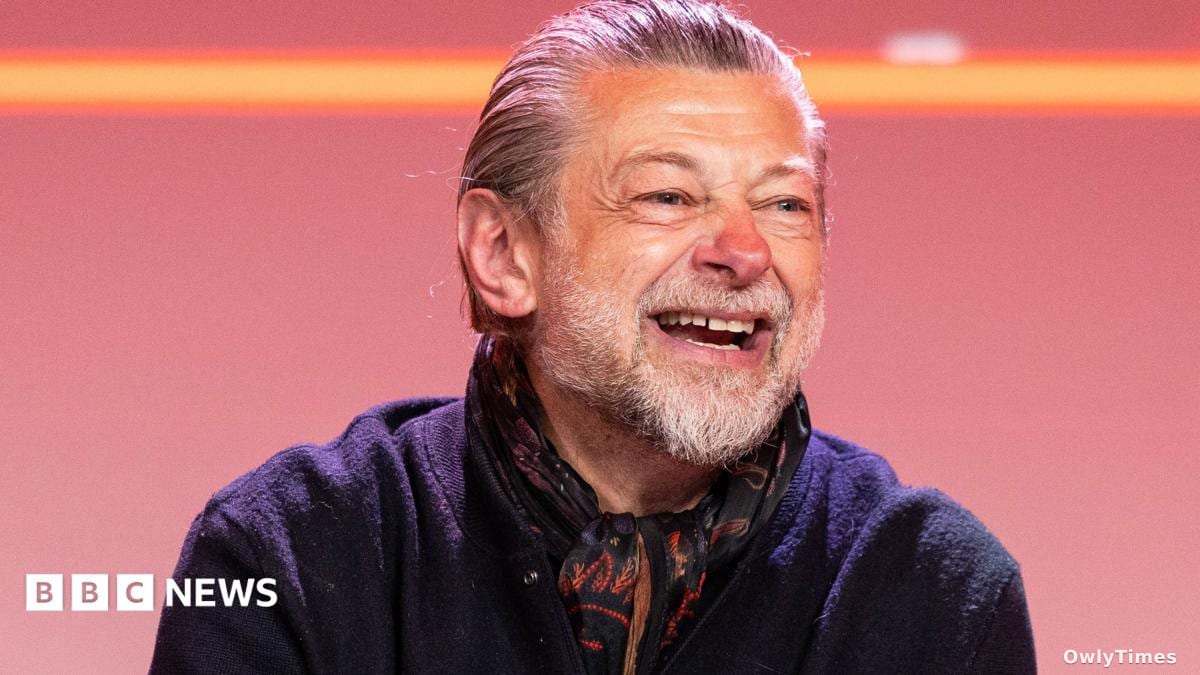

The digital screens flickering between New Zealand and the UK couldn't mask the gravity in Andy Serkis’s voice as he addressed one of the most persistent conversations in modern fantasy filmmaking. Best known as the architect of motion-capture performance through roles like Gollum and Caesar, the director is now helming The Lord of the Rings: The Hunt for Gollum. Yet, as he prepares to return audiences to Middle-earth, he finds himself navigating the delicate friction between preserving the aesthetic legacy of J.R.R. Tolkien’s world and answering contemporary calls for inclusive storytelling.
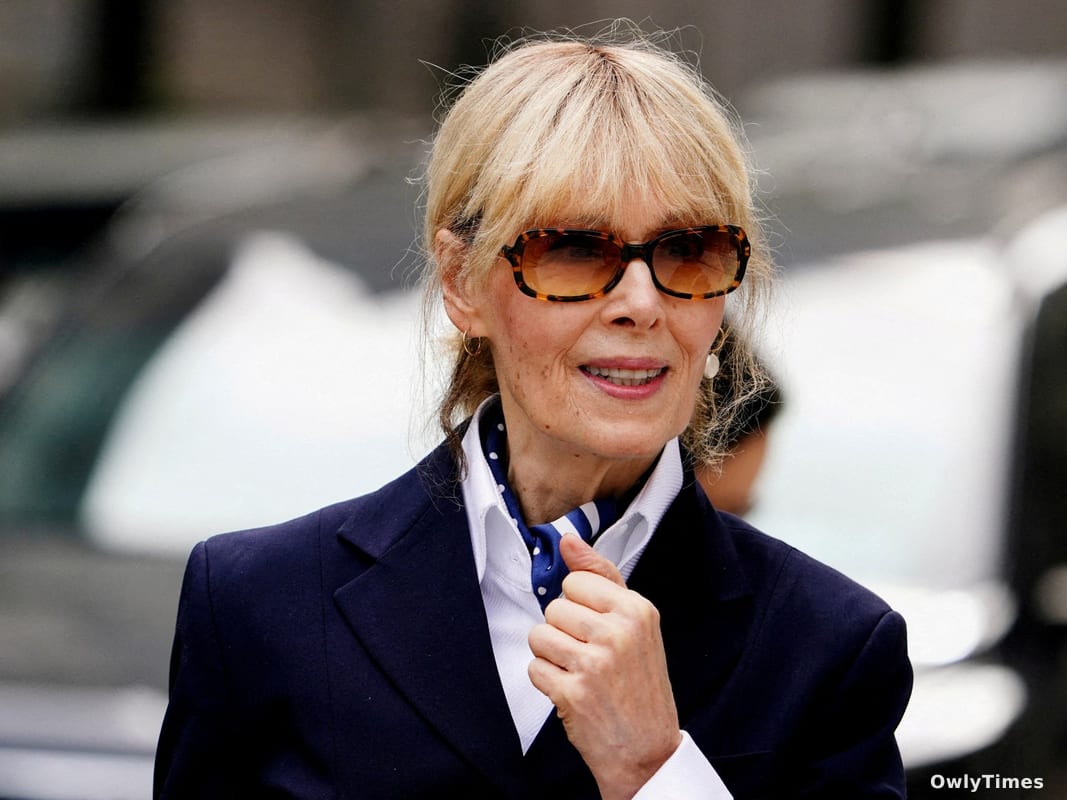
The conversation, sparked by an interview with the BBC, centers on the demographic composition of his upcoming cast. While the film features heavyweights like Anya Taylor-Joy, Kate Winslet, Jamie Dornan, and Leo Woodall, alongside returning icons Elijah Wood and Sir Ian McKellen, observers have noted that the current lineup remains entirely white. Deadline highlights that this has invited direct scrutiny regarding the franchise's historical lack of diversity, a critique that has persisted for nearly a quarter of a century.
Serkis, who has previously campaigned for equality—notably reflecting on his experience as a white actor on the set of Black Panther in 2018—offered a measured defense of his creative choices. He pointed to the roots of Tolkien’s mythos, noting that the author was heavily influenced by Norse mythology. "The Shire feels very, very much like a very, a very white, you know…," Serkis told the BBC, describing a community that is insular and wary of outsiders. He emphasized that while the new film acknowledges these criticisms, he intends to avoid "politically correct just-casting-for-the sake-of-casting-and-ticking-boxes" methods, opting instead to integrate diversity only "where relevant."
Beyond the casting debate, Serkis provided fresh narrative breadcrumbs for the project, which is officially slated for a December 17, 2027, global release, according to Deadline. (Note: The Hollywood Reporter cites the broader window of December 2027). Serkis confirmed that the story occupies the timeline between The Hobbit and The Lord of the Rings trilogies, serving as a psychological deep dive into Gollum’s origins. He also addressed the expanding "Tolkienverse" by clarifying his own involvement: while he is steering The Hunt for Gollum, he confirmed he will not be directing the upcoming Shadow of the Past, a project written by Stephen Colbert. "[T]hat post has been taken," Serkis remarked with a smile, acknowledging the chat show host's deep enthusiasm for the project.
This moment serves as a litmus test for the "legacy franchise" model, where studios attempt to modernize beloved intellectual property without alienating purist fanbases. As Serkis balances the expectations of a global audience with his own artistic vision, the industry watches closely to see if a "deep dive" into established lore can feel fresh without fundamentally altering the established "Norse-inspired" atmosphere. For now, the focus remains on the upcoming casting announcements, which are expected in the coming months, as the production gears up for its Christmas 2027 landing.