
The Price of Impulsivity: When a Teenaged Christina Applegate Chose Rock ‘n’ Roll Over Brad Pitt
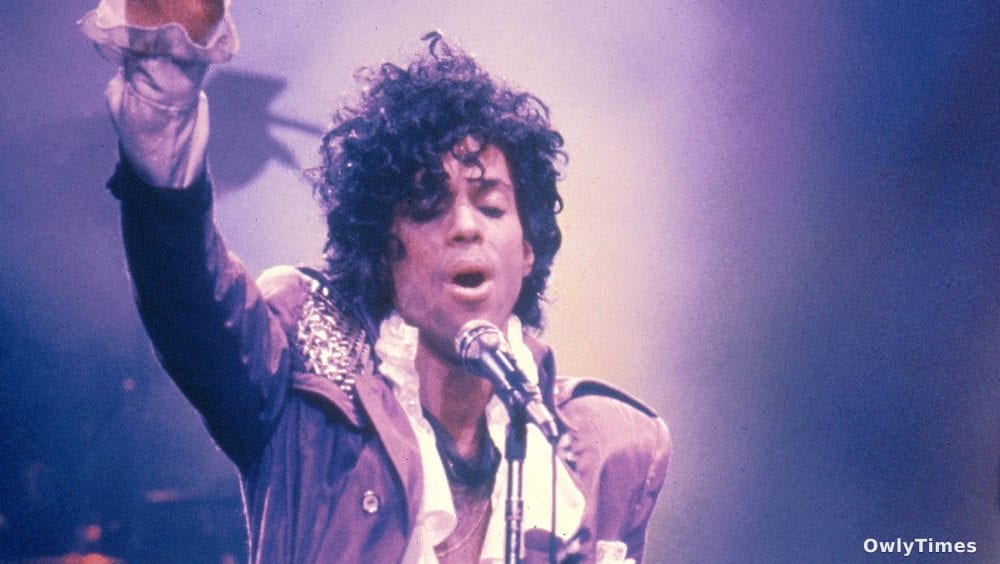
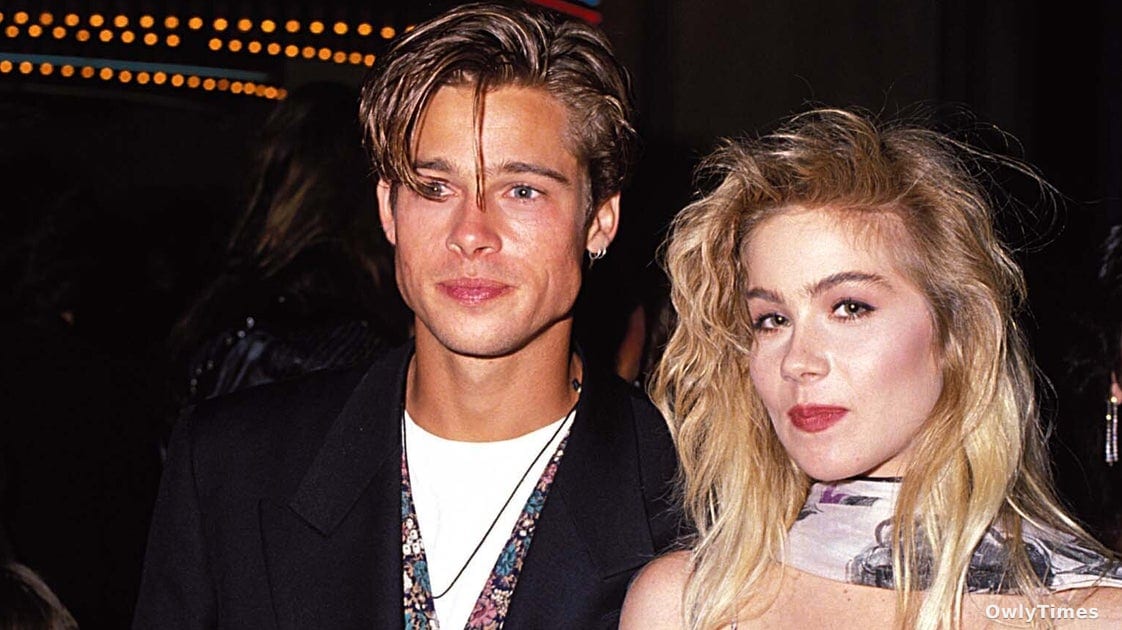
The Ceil Chapman gown felt incredible, Christina Applegate writes in her new memoir, “You With the Sad Eyes.” It was 1989, and at 17, she was already “Kelly Bundy” to a nation, presenting at the MTV Video Music Awards. But the power of the dress, the thrill of the moment, wasn’t enough to keep her eyes – or her attention – fixed on the handsome actor she’d brought as her date: a pre-fame Brad Pitt. Instead, she spent the night captivated by Sebastian Bach, the frontman of the hair metal band Skid Row, and ultimately walked away with him, leaving a bewildered Pitt to drive her mother home. The story, released Tuesday alongside the memoir, isn’t just a juicy Hollywood anecdote; it’s a stark illustration of how quickly the calculus of desire and opportunity can shift, and the lasting consequences of impulsive decisions in a world obsessed with “what ifs.”
Applegate’s confession arrives at a moment when celebrity memoirs are less about carefully constructed image-making and more about brutal honesty. The success of books like Britney Spears’ “The Woman in Me” – which moved over a million copies in its first week, according to NPD BookScan – demonstrates a public hunger for unfiltered accounts, even when those accounts reveal unflattering truths. Applegate’s story taps into that same vein, offering a glimpse into the messy, often illogical, decision-making of youth, amplified by the surreal landscape of early fame. It’s a reminder that even future icons are, at some point, just kids making questionable choices. The fact that she briefly considered Pitt “boyfriend material” just before fixating on Bach underscores the fickle nature of attraction, especially when navigating the intoxicating world of Hollywood parties.
This piece references the huffpost.com report.
The dynamic at play is particularly revealing. Applegate acknowledges that in 1989, Pitt was “still making his way as an actor, and he wasn’t yet THE Brad Pitt.” This isn’t just a throwaway line; it’s a crucial observation about the power of projection and the shifting sands of celebrity. Pitt’s current status – a global icon with a net worth estimated at $300 million by Forbes – retroactively casts Applegate’s decision as almost unbelievable. But at the time, he was simply another aspiring actor, and the allure of a rock star, embodying a different kind of rebellious energy, proved too strong. This highlights a broader cultural tension: the enduring fascination with “before they were famous” stories, and the tendency to rewrite history based on present-day success. We judge past actions through the lens of current status, often forgetting the uncertainty of the moment.
The fallout, as Applegate recounts, was significant. Pitt reportedly didn’t speak to her for years, and even relayed the story to future girlfriends – a testament to the sting of rejection. The detail about Pitt almost getting into a fight with gang members while driving Applegate’s mother home adds a layer of chaotic energy to the narrative, painting a picture of a night spiraling out of control. Applegate’s eventual realization that Bach was already a father – her blunt assessment of him as a “dick” – is a particularly poignant moment of self-awareness. It’s a classic coming-of-age trope: the realization that the object of your desire isn’t who you thought they were, and the accompanying sense of foolishness. The fact that Pitt eventually forgave her, recognizing she was “a kid,” speaks to his own maturity and perhaps a shared understanding of the pressures of navigating young adulthood in the spotlight.
Beyond the headlines of a teenage misstep, Applegate’s story is a cautionary tale about the ephemeral nature of fame and the enduring power of regret. It’s a reminder that even seemingly insignificant choices can have lasting consequences, and that the path to success is rarely linear. As the entertainment industry continues to grapple with issues of accountability and the re-evaluation of past behavior, Applegate’s candid memoir offers a valuable perspective: a willingness to own one’s mistakes, and a recognition that even the most glamorous lives are filled with moments of awkwardness, impulsivity, and ultimately, human fallibility. The question now is whether this trend of brutally honest celebrity memoirs will continue to reshape our understanding of fame, or if the industry will eventually revert to more carefully curated narratives.