
Is Apple about to admit its existing laptops are…overkill? The swirling rumors around the March 4th “Apple Experience” event – signaled by that curiously colorful logo featuring yellow, green, and light blue discs, as spotted by Ray Wong – aren’t about incremental upgrades. They’re about a fundamental shift in Apple’s strategy: acknowledging that not everyone needs a $1,000+ machine to check email and stream videos. The real story here isn't a new chip or a faster processor – it's Apple finally conceding that a significant chunk of the market is being priced out of the “Apple ecosystem” and attempting to lure them back with something genuinely affordable.
The Aluminum Shell Game and the Pursuit of “Fun”
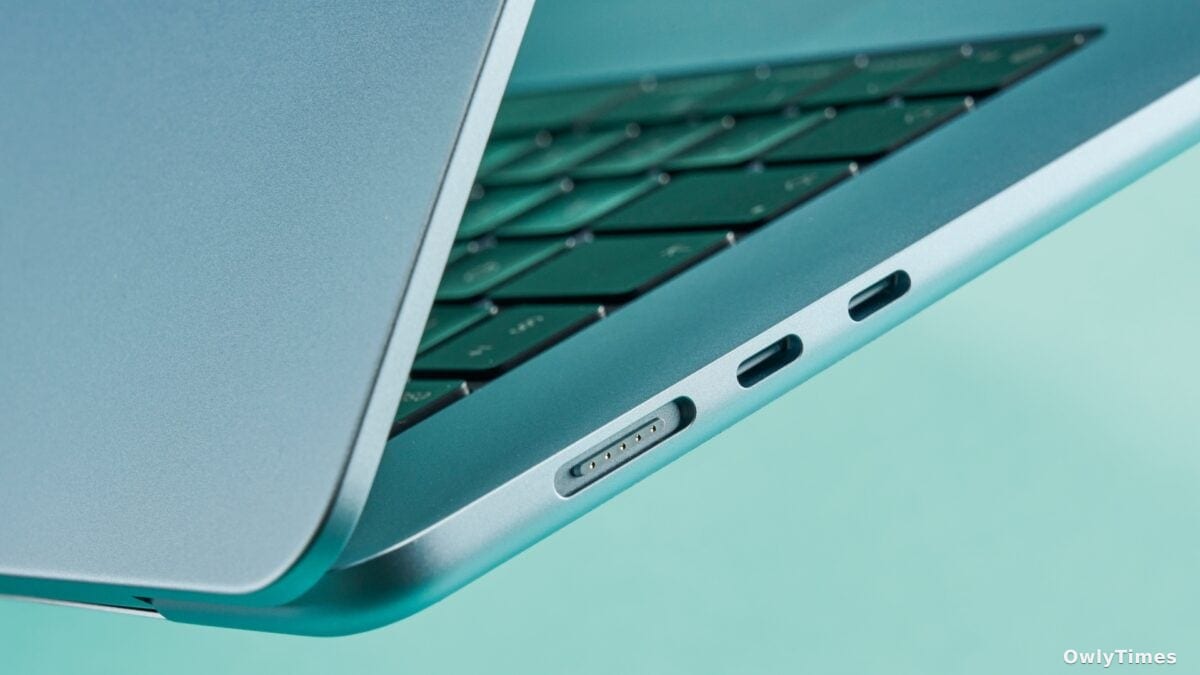
Mark Gurman at Bloomberg is reporting that this rumored low-cost MacBook, potentially dubbed the “MacBook E,” hinges on a new aluminum manufacturing process. This isn’t just about aesthetics; it’s about economics. Faster production translates directly to lower costs, and Apple desperately needs to demonstrate cost savings in a market where RAM and storage prices are being inflated by the insatiable appetite of AI data centers. But the color options – yellow, green, light blue, alongside tested shades of pink, silver, and dark gray – are equally telling. Apple hasn’t offered vibrant color choices for MacBooks in years, signaling a deliberate attempt to distance this model from the “pro” image of its more expensive counterparts. It’s a laptop designed to be approachable, not aspirational.
See the original gizmodo.com story for the full account.
iPhone Brains in a Laptop Body: A Performance Paradox
The most eyebrow-raising aspect of this potential MacBook E isn’t the price point (though that’s significant) – it’s the processor. Apple is reportedly planning to use the A18 Pro chip, currently found in the iPhone 16 Pro and 16 Pro Max. This sounds like a downgrade, right? Not necessarily. As Jason Snell of Six Colors points out, the A18 Pro is surprisingly capable, boasting 46% faster single-core performance than the original M1 chip and comparable multi-core and graphics performance. For everyday tasks – browsing, streaming, document editing – this chip will be more than sufficient. The genius here is leveraging existing silicon, reducing development costs, and potentially achieving better battery life than the M-series MacBooks. Apple is betting that most users don’t need raw processing power; they need efficiency and affordability.
Beyond the Budget MacBook: A Mac Renaissance?
While the low-cost MacBook is stealing the spotlight, Gurman’s reporting suggests a broader Mac refresh is underway. Expect updated MacBook Airs with the M5 chip, and beefier M5 Pro and M5 Max chips in the 14- and 16-inch MacBook Pros “over the course of the next several weeks.” He also anticipates new Mac displays, potentially an updated Apple Studio Display with a smoother 90Hz refresh rate. This isn’t just about incremental upgrades; it’s a full-court press to revitalize the Mac lineup. Gurman even hints at a new Mac Studio, iMac, and Mac mini later this year, culminating in a potential touch-screen MacBook Pro in late 2026. This suggests Apple isn’t abandoning its high-end users, but rather expanding its reach to capture a wider audience.
The iPhone 17e and the iPad Shuffle: Filling the Gaps
The potential for a refreshed, more affordable iPhone – the rumored iPhone 17e, priced around $599 – further reinforces this strategy. Apple is clearly recognizing the need to offer compelling options at lower price points, particularly in emerging markets. Similarly, a 12th-generation entry-level iPad with an A18 chip and updated iPad Airs with M4 chips are also on the horizon. This isn’t just about offering cheaper products; it’s about creating a tiered ecosystem where consumers can enter at various price points and gradually upgrade as their needs evolve. The question isn’t whether Apple can make cheaper devices, but whether they can maintain their brand prestige while doing so.
Here’s what I predict: Apple will announce the MacBook E at $799, positioning it as the “student” or “family” laptop. More importantly, watch for a subtle shift in Apple’s marketing messaging. They’ll stop focusing solely on “power users” and start emphasizing accessibility and value. The real test won’t be the initial sales numbers, but whether Apple can sustain this lower-price strategy without eroding its brand image. If they can, the entire tech landscape will have to re-evaluate what “premium” truly means.