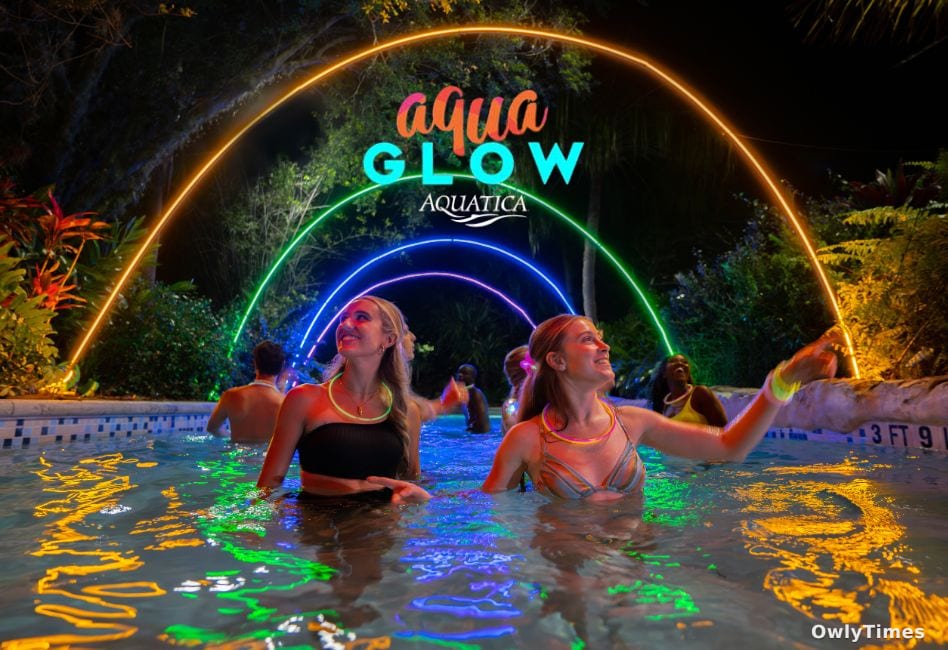

The sun dips below the horizon in Orlando, but for the visitors at Aquatica Orlando, the day is just finding its rhythm. There is a specific kind of alchemy that happens when a water park sheds its daytime skin to embrace the neon hum of a summer night. As the third year of the AquaGlow event approaches, the shift represents more than just a calendar update; it marks a strategic evolution in how regional entertainment destinations are fighting for the attention of a post-pandemic audience that demands high-energy, immersive experiences over passive observation.
Extending the Clock for Guest Immersion
Beginning May 16, the park is rewriting the logistics of the evening excursion. For the first time, organizers are opening the gates at 4 p.m., providing a four-hour runway before the official event kickoff. This decision to extend access is a tactical play to maximize the utility of the ticket price, which starts at $49.99. By blending the traditional daytime visit with the specialized nighttime programming that runs from 8 p.m. to 11 p.m., the venue is effectively lowering the friction for families who might otherwise view a late-night outing as too brief to justify the effort.
The strategy of limited capacity remains the anchor of the experience. By capping the number of attendees, the park aims to sidestep the notorious wait times that often plague Florida’s larger theme park ecosystems. In an era where guest satisfaction is inextricably linked to the fluidity of movement through a park, this constraint functions as a premium feature rather than a barrier, allowing for more seamless transitions between the newly refreshed Riptide Racer and Tassie’s Underwater Twist.
A Shift Toward Sensory Programming
The programming slate for this year—which runs on select nights through September 26—leans heavily into the "rave" aesthetic, a departure from the more static fireworks-and-stroll model of traditional park nights. The introduction of a family-friendly Mini Rave Party and the reimagining of the Electric Tides Laser Show suggest an industry-wide pivot toward high-stimulation, music-driven entertainment. It’s an attempt to capture the cultural energy of the festival circuit and transplant it into a controlled, aquatic environment.
This sensory layering extends to the culinary offerings as well, with the menu serving as an extension of the event's neon brand. With items like miso bacon cheeseburger, mango habanero wings, and fried mac and cheese bites, the food is clearly designed for a crowd that prioritizes "Instagrammable" moments and high-flavor profiles over standard park fare. The inclusion of complimentary soft drinks in every ticket further streamlines the experience, reducing the constant transactional friction of point-of-sale interactions that can break the immersion of a themed night.
The Metrics of Success
For a facility that boasts more than 50 rides and attractions, the success of AquaGlow will be measured by its ability to maintain its "top-ranked" status while balancing the specialized demands of an after-hours crowd. The industry is currently watching how these legacy parks iterate on existing assets rather than relying solely on new capital-intensive construction. By utilizing lighting, music, and limited capacity to refresh the park’s existing infrastructure, Aquatica is betting that the transformation of the familiar is more profitable than the invention of the new.
The next reading of the park's attendance figures during these select summer nights will show whether this shift toward expanded, high-access nighttime programming is the definitive blueprint for regional parks looking to squeeze more revenue out of their peak summer seasons. Visit AquaticaOrlando.com for ticket availability and the specific schedule of the nights ahead.