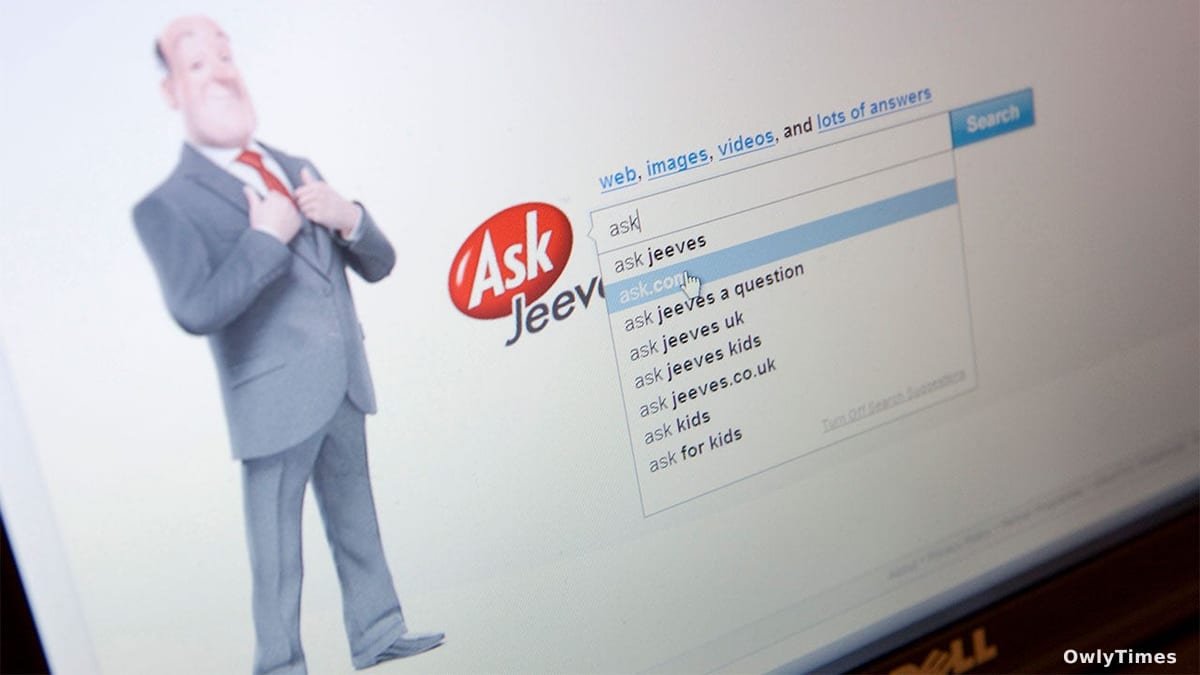

Is the era of the "all-purpose" search engine officially dead, or did we just stop caring about the butler who used to answer our questions? When Ask.com pulled the plug on its search business on May 1, 2026, the internet lost more than just a website; it lost a relic of a time when searching for information felt like a conversation rather than an algorithmic extraction.
The real story here isn’t that a legacy brand finally shuttered its doors after nearly 30 years—it’s that the internet has become a gated neighborhood where only the biggest conglomerates can afford the rent. By the time the service officially closed, it had been a ghost of its former self for over a decade. The company stopped developing its own search technology around 2010, effectively turning into a skin for someone else’s engine long before the final shutdown notice appeared.
From Butler to Corporate Pivot
When the service launched in 1997 as Ask Jeeves, it was a revelation. In a digital landscape dominated by clunky keyword matching, the idea of a butler mascot who could understand plain language queries was revolutionary. It felt human, or at least as human as a browser-based cartoon could be.
However, the tech industry has a brutal way of consuming its own pioneers. IAC acquired the company in 2005, rebranding it as Ask.com in 2006 in a desperate attempt to widen its appeal. The goal was to pivot the platform from a quirky curiosity into a broad-spectrum search giant, but the strategy failed to account for the reality that search had stopped being a utility and started being a data-harvesting arms race. As competition intensified, the platform’s pivot toward a question-and-answer format couldn't stave off the inevitable consolidation of the market.
The Cost of Scale in a Dominated Market
We tend to romanticize the "early days" of the web as a vibrant, competitive marketplace, but the truth is that the search industry has been calcifying for years. For an ordinary user, the loss of Ask.com might feel negligible—most people stopped using it as their primary gateway years ago—but it serves as a grim marker of a landscape where smaller players simply cannot compete at scale.
When a parent company like IAC describes the move as a "strategic shift away from legacy search operations," they are really talking about the economics of survival. In a world where search is inextricably linked to hyper-targeted advertising, legacy platforms that lack a massive ecosystem of first-party data are essentially walking dead. Ask.com was founded in 1996, and its departure after nearly three decades confirms that the "search wars" of the late 90s are truly over, replaced by a winner-take-all environment that leaves little room for innovation from the outside.
What Happens When the Butler Leaves
The closure of Ask.com is not just a corporate housecleaning; it is a signal of how the digital advertising sector has hardened. As the market continues to consolidate, the next reading of quarterly digital ad spend and traffic distribution across the remaining search giants will show whether the industry has reached its final plateau or if there is any room left for specialized, non-conglomerate search tools to exist at all. For now, the butler has retired, and the digital gates have closed just a little bit tighter.