
How do we quantify the threshold between a firing brain and the subjective perception of a soul in transit? This is the central tension at the heart of the International Association for Near-Death Studies (IANDS), which recently held its annual conference at a corporate Hilton outside Chicago. While modern clinical neurology often dismisses near-death experiences (NDEs) as the frantic, oxygen-starved firing of synapses during cardiac arrest, the individuals gathering here suggest that the phenomenon warrants a more rigorous taxonomy.
Fifty Years of Investigating the Threshold
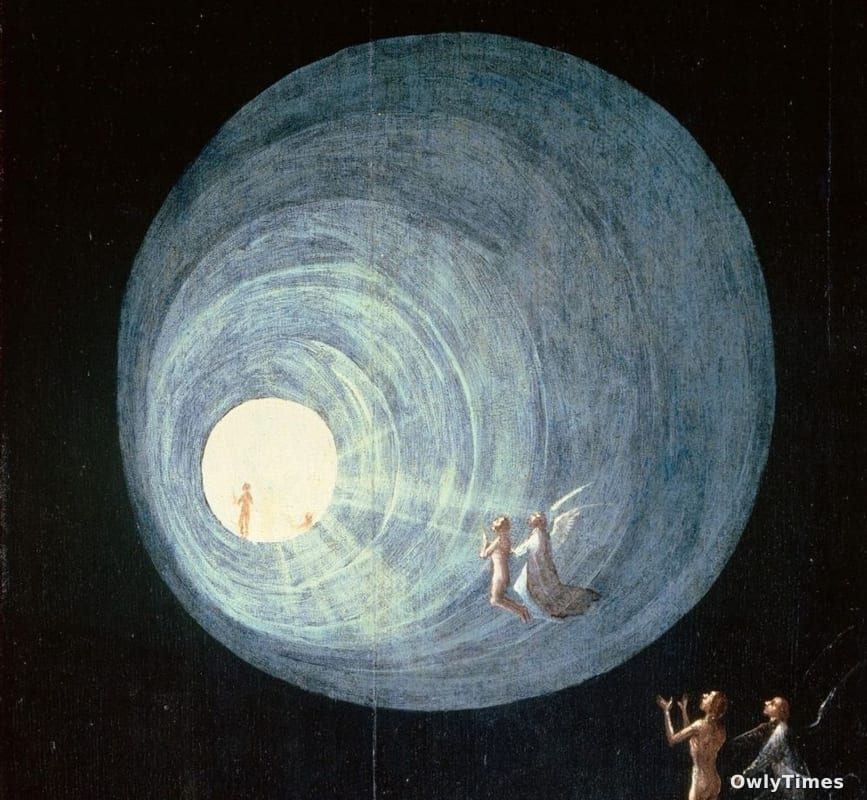
The gathering marked the golden anniversary of NDE research, a field that has spent half a century moving from the periphery of fringe science toward a more structured, if still controversial, inquiry. The IANDS conference operates on a premise that challenges traditional medical materialism: that accounts of floating above one’s own body or moving through a tunnel toward a brilliant light are not merely biological glitches. When I registered for the event, a volunteer in his early 70s—mistaking my professional role—labeled me a “medium” before I corrected him to “media.” That brief misunderstanding highlighted the insular nature of this community; it is a space where the distinction between objective observation and subjective participation is intentionally blurred.
Distinguishing Clinical Reality from Subjective Narrative
The headlines surrounding NDEs often lean into the sensational, focusing on the “euphoria” or “celestial landscapes” reported by survivors. However, the study of these phenomena—as presented by the researchers and attendees in Chicago—is far more granular. The clinical reality is that these accounts occur during severe physiological impairment, often when brain function is compromised to the point of clinical death. What the researchers emphasize is that while the brain is physically failing, the conscious experience reported by the patient is remarkably organized, vivid, and coherent. The discrepancy between the brain’s measurable state and the patient’s reported “panoramic life review” is the core contradiction that keeps this field of research alive.
The Challenge of Empirical Rigor
A primary limitation to consider is the inherent difficulty in collecting data from patients who are, by definition, in a state of crisis. Because NDEs occur during unpredictable medical emergencies like cardiac arrest, researchers are forced to rely on retrospective accounts rather than real-time neuroimaging. Critics rightly argue that memory can be reconstructed or influenced by cultural expectations of what "dying" should look like. Furthermore, the reliance on self-reporting introduces a significant bias; when an attendee at the IANDS conference handed me an "experiencer" badge, he warned me that people would want to share their stories. This creates a feedback loop where the community’s shared vocabulary potentially shapes the way individual memories are articulated over time.
Moving Toward Objective Neuro-Measurement
To move beyond anecdotal accounts, the next phase of research must bridge the gap between patient narrative and physiological data. Scientists are increasingly looking for ways to correlate specific brain-wave patterns—such as the brief surges of gamma activity sometimes observed during the cessation of heart function—with the specific elements of an NDE, such as the sense of euphoria or the feeling of leaving the body. Whether these neuro-correlates are the cause of the experience or simply a byproduct of the dying process remains the most significant open question. The next reading of standardized reports on post-resuscitation consciousness will indicate whether we are truly nearing a scientific consensus, or if we remain in a domain where the data will always fall short of the experience.